

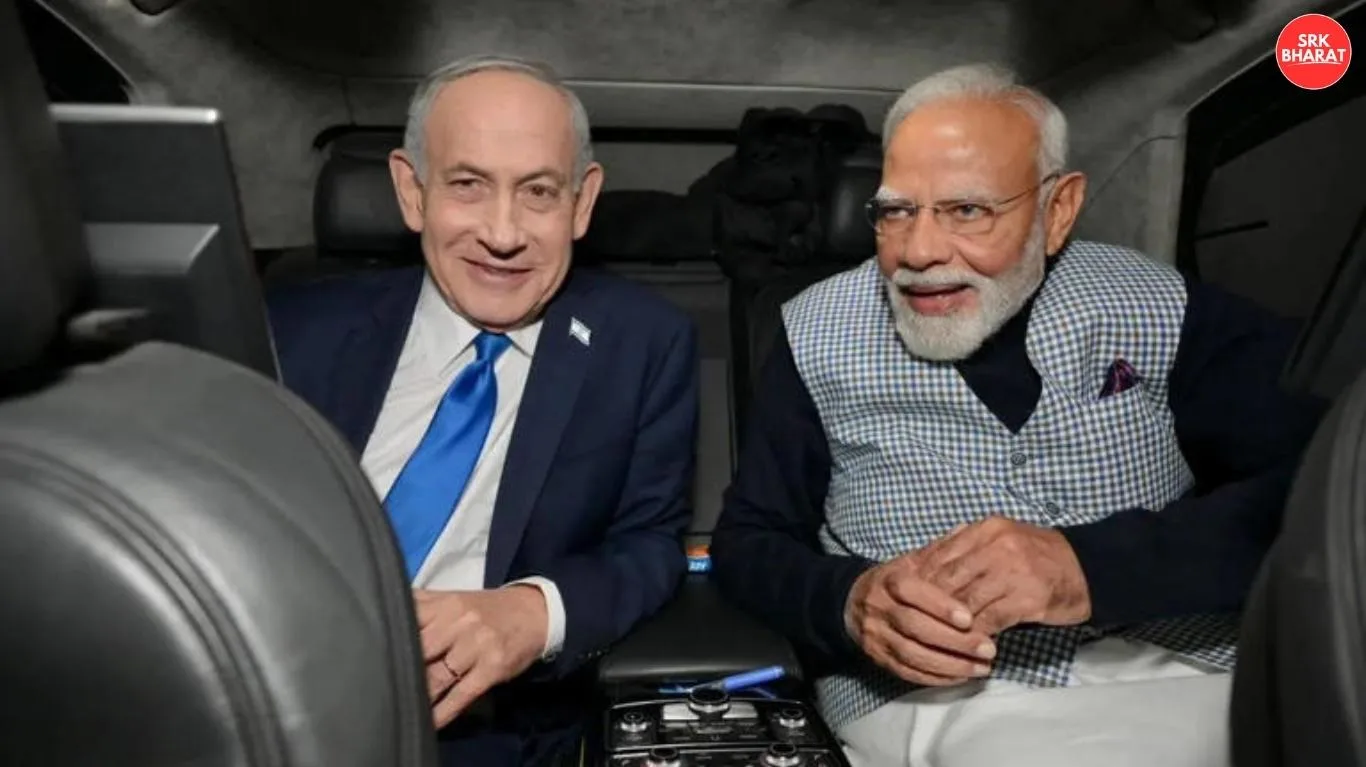
Indian Prime Minister Narendra Modi’s recent visit to Israel has captured global attention, not only for his landmark address to the Knesset but also for the symbolic gesture that followed — what many are calling his “car diplomacy” with Israeli Prime Minister Benjamin Netanyahu. This unique blend of political symbolism and personal rapport has become a talking point across diplomatic circles, media outlets, and international observers.
Modi’s Knesset Address: A Historic Moment
Prime Minister Modi’s speech at the Knesset marked a significant milestone in India-Israel relations. His address emphasized:
- Shared democratic values between India and Israel.
- Strategic cooperation in defense, technology, and agriculture.
- Commitment to peace and stability in the Middle East.
The speech was widely praised for balancing India’s traditional stance on Palestine while strengthening ties with Israel. Modi’s words resonated with lawmakers, highlighting India’s role as a bridge between diverse geopolitical interests.
The Spotlight on ‘Car Diplomacy’
After the Knesset address, Modi and Netanyahu engaged in what has now been dubbed “car diplomacy.” The two leaders traveled together in a specially arranged vehicle, symbolizing:
- Personal camaraderie beyond formal diplomacy.
- Trust and partnership between India and Israel.
- A message of accessibility and openness, showing leaders in a more relatable, human light.
This gesture was not just about transportation; it was a carefully orchestrated moment that reinforced the narrative of friendship and collaboration.
Symbolism of Car Diplomacy
Diplomatic gestures often carry deeper meanings. Modi’s car ride with Netanyahu can be interpreted as:
- Unity in motion: Both leaders moving forward together, literally and figuratively.
- Breaking protocol: A departure from rigid diplomatic traditions, signaling warmth.
- Public diplomacy: Designed to appeal to citizens of both nations, making diplomacy relatable.
India-Israel Relations: A Timeline of Growth
| Year | Key Development | Impact |
|---|---|---|
| 1992 | Formal diplomatic relations established | Opened new avenues for cooperation |
| 2000s | Defense and technology partnerships | Strengthened strategic ties |
| 2017 | Modi’s first visit to Israel | Marked a turning point in bilateral relations |
| 2026 | Knesset address and car diplomacy | Elevated ties to symbolic and strategic heights |
Strategic Areas of Cooperation
India and Israel have steadily expanded their partnership in multiple sectors:
- Defense: Joint military exercises, technology transfers, and arms deals.
- Agriculture: Israeli expertise in water management and irrigation aiding Indian farmers.
- Technology: Collaboration in cybersecurity, AI, and innovation hubs.
- Healthcare: Exchange of medical research and pharmaceutical cooperation.
Public Reception and Media Coverage
The global media has highlighted Modi’s car diplomacy as a refreshing take on international relations. Analysts note that such gestures:
- Humanize leaders in the eyes of the public.
- Strengthen narratives of friendship.
- Create lasting images that transcend political speeches.
Comparative Analysis of Diplomatic Gestures
| Gesture | Leader(s) | Symbolism |
|---|---|---|
| Modi-Netanyahu Car Ride | Modi & Netanyahu | Friendship, accessibility |
| Obama-Cuba Handshake | Obama & Castro | Reconciliation |
| Xi-Putin Train Ride | Xi & Putin | Strategic solidarity |
| Churchill-Roosevelt Atlantic Charter | Churchill & Roosevelt | Shared vision for peace |
This comparison shows how symbolic gestures often become defining moments in diplomacy.
Why Car Diplomacy Matters
Car diplomacy is more than a photo opportunity. It reflects:
- Trust: Leaders willing to share informal moments.
- Narrative building: Crafting a story of unity.
- Soft power: Using symbolism to strengthen ties without formal agreements.
Challenges Ahead
Despite the warmth, India-Israel relations face challenges:
- Balancing ties with Palestine and Arab nations.
- Navigating global criticism of Israel’s policies.
- Ensuring that symbolic gestures translate into tangible outcomes.
Future Outlook
Modi’s car diplomacy may set a precedent for future engagements. Possible outcomes include:
- More informal diplomacy in global relations.
- Enhanced people-to-people connections between India and Israel.
- Stronger strategic alignment in defense and technology.
Disclaimer
This article is a journalistic analysis based on publicly available information and interpretations of diplomatic events. It does not represent official government positions. Readers are encouraged to view this as an informative piece rather than a definitive account of policy decisions.