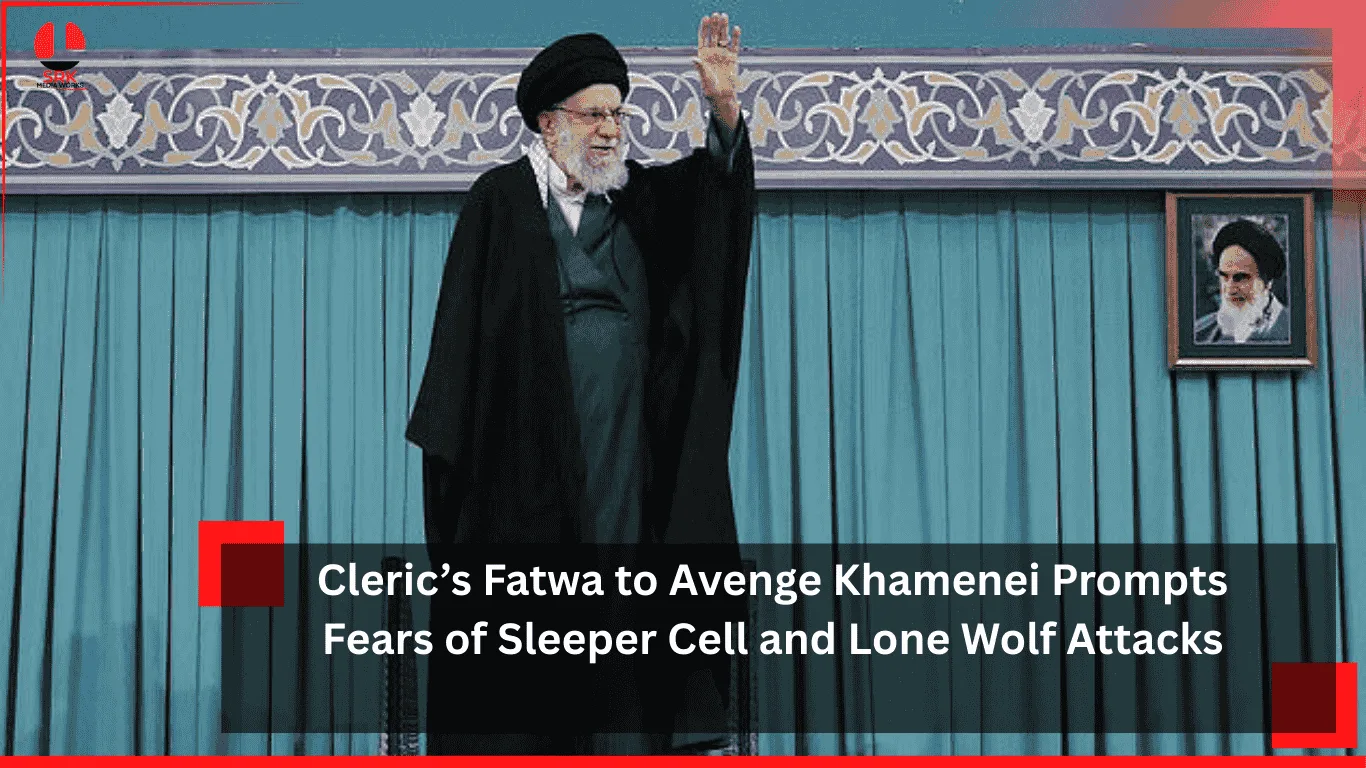


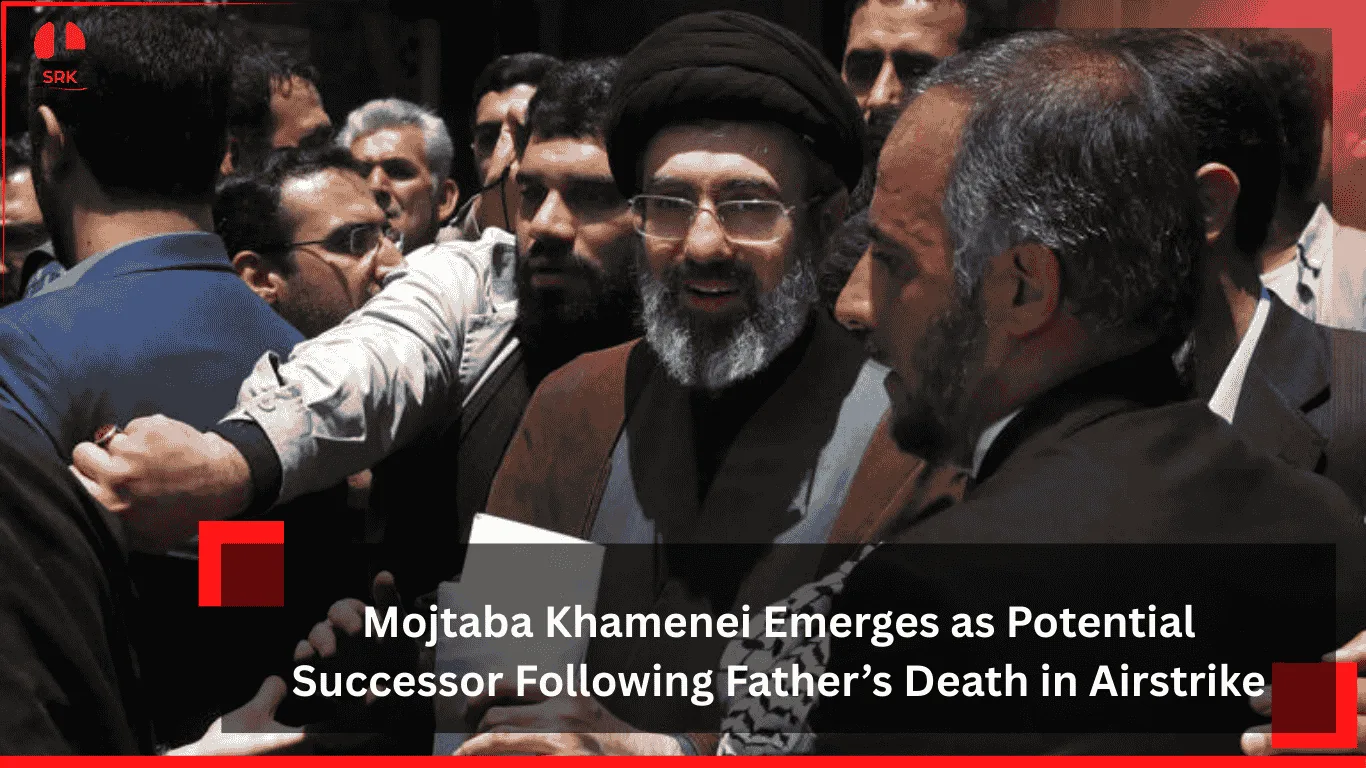
In the aftermath of the reported death of Iran’s Supreme Leader Ayatollah Ali Khamenei in a targeted airstrike, speculation has intensified around his son, Mojtaba Khamenei, as a potential successor. The development marks a pivotal moment in Iran’s political landscape, raising questions about succession, stability, and the future of the Islamic Republic’s governance.
Succession Dynamics in Iran
- Mojtaba’s Profile: Mojtaba Khamenei has long been considered a powerful figure behind the scenes, wielding influence within Iran’s clerical and political circles.
- Religious Credentials: Though not as publicly visible as his father, Mojtaba has studied under prominent clerics, strengthening his religious legitimacy.
- Political Influence: He is believed to have strong ties with the Islamic Revolutionary Guard Corps (IRGC), giving him leverage in Iran’s power structure.
- Controversy: Critics argue that succession by Mojtaba would mark a dynastic shift, challenging the traditional clerical system of leadership.
Comparative Analysis of Succession Scenarios
| Potential Successor | Strengths | Weaknesses | Likely Impact |
|---|---|---|---|
| Mojtaba Khamenei | Strong IRGC ties, clerical training | Dynastic concerns, limited public profile | Continuity with current system |
| Senior Clerics | Religious authority, legitimacy | Less political influence | Traditional clerical leadership |
| Reformist Candidates | Popular appeal, modern outlook | Weak institutional support | Potential shift in governance |
| IRGC-backed Leaders | Military strength, control | Limited clerical legitimacy | Militarised governance |
Political and Regional Impact
- Domestic Politics: Mojtaba’s rise could consolidate conservative power, reducing space for reformist voices.
- Regional Strategy: Continuity in Iran’s foreign policy is expected, with emphasis on resistance against Western influence.
- Global Relations: The succession will be closely watched by global powers, particularly the U.S., Israel, and Gulf states.
Business Impact Projection in Geopolitical Terms
| Factor | Short-Term Impact | Long-Term Impact |
|---|---|---|
| Iranian Politics | Power vacuum, uncertainty | Consolidation under new leadership |
| Regional Security | Heightened tensions | Possible stability if succession is smooth |
| Global Energy Markets | Volatility in oil prices | Stabilisation with policy clarity |
| International Relations | Diplomatic caution | Recalibration of global strategies |
Historical Context
- Khamenei’s Legacy: Ayatollah Ali Khamenei shaped Iran’s politics for decades, balancing clerical authority with military influence.
- Succession Precedent: Iran’s leadership transition has historically been managed by clerical consensus, though Mojtaba’s candidacy introduces a dynastic element.
- Public Sentiment: While some Iranians may support continuity, others could view dynastic succession as undermining the revolutionary ideals of 1979.
Expert Insights
Analysts suggest that Mojtaba Khamenei’s emergence as a successor reflects the IRGC’s growing influence in Iran’s political system. His candidacy could ensure continuity in Iran’s domestic and foreign policies but may also spark internal debates about legitimacy and governance.
Future Outlook
- Succession Process: Iran’s Assembly of Experts will play a key role in formalising leadership transition.
- Public Reaction: Protests or demonstrations could emerge depending on perceptions of legitimacy.
- Global Monitoring: International powers will closely observe developments, anticipating shifts in Iran’s foreign policy stance.
Conclusion
Mojtaba Khamenei’s potential succession following his father’s death in an airstrike marks a turning point in Iran’s political trajectory. While his rise could ensure continuity and stability, it also raises questions about dynastic politics, legitimacy, and the balance of power between clerics and military institutions. The coming months will be critical in shaping Iran’s future governance and regional role.
Disclaimer
This article is intended for informational purposes only and should not be construed as political endorsement or advice. Leadership transitions in Iran are subject to complex religious, political, and institutional processes. Readers are encouraged to follow credible updates for the latest developments.