


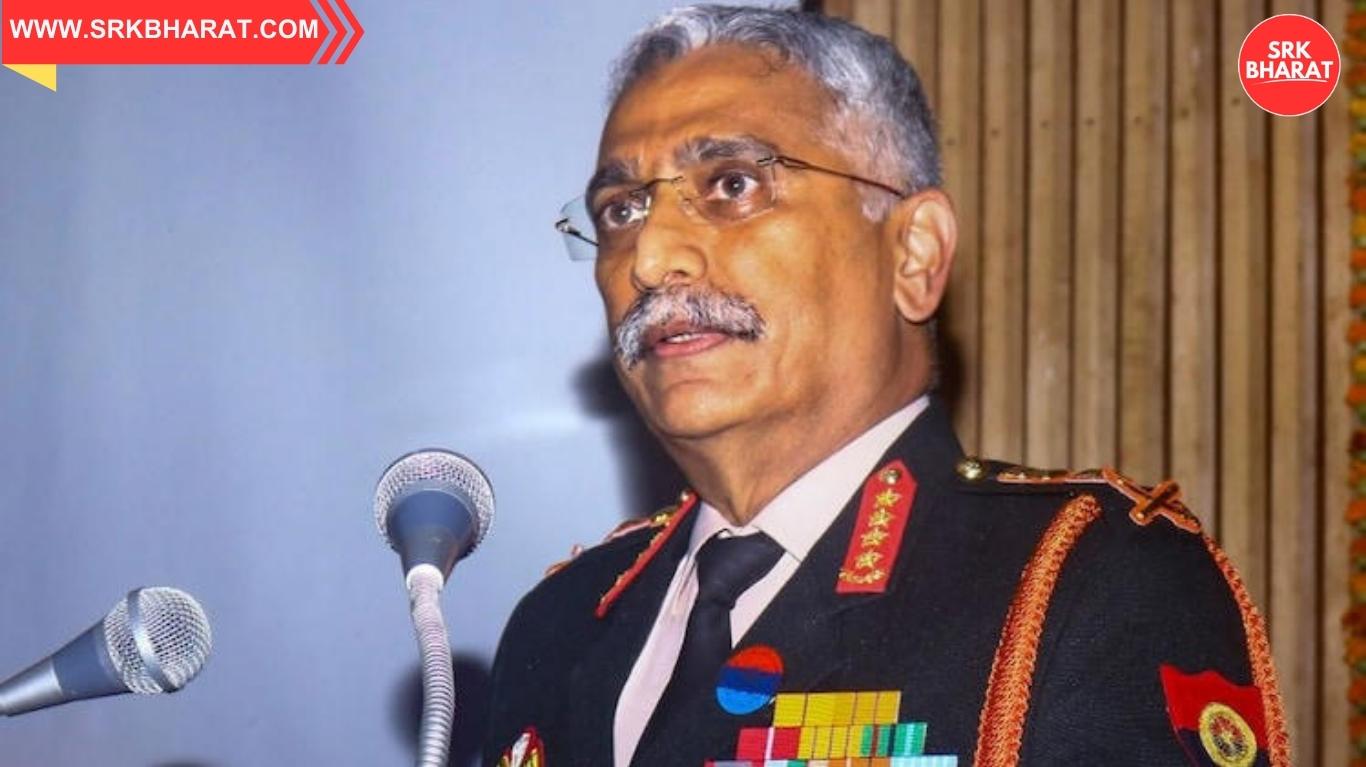
The debate over military transparency and memoirs has resurfaced after former Army Chief General M.M. Naravane announced his plans to write a memoir. While Naravane has every right to document his experiences, former generals have emphasized that such writings require official clearance to safeguard sensitive information. One ex-general also revealed why he blocked the release of the 1962 war report, citing national security concerns and the need to protect classified details.
Context of the Memoir Debate
- General Naravane, who served as the Chief of Army Staff, has expressed his intent to publish a memoir.
- Military memoirs often provide valuable insights into leadership, strategy, and challenges faced during service.
- However, clearance from the Ministry of Defence is mandatory to ensure no classified information is disclosed.
Ex-General’s Revelation on 1962 War Report
- The 1962 war between India and China remains a sensitive chapter in military history.
- An ex-general disclosed that he blocked the release of the war report due to concerns over operational details.
- The decision was based on the belief that certain information could compromise national security if made public.
Importance of Clearance for Military Memoirs
- National Security: Prevents disclosure of sensitive operational details.
- Diplomatic Sensitivity: Avoids potential diplomatic fallout with neighboring countries.
- Institutional Integrity: Ensures memoirs align with official narratives.
- Public Trust: Maintains credibility of the armed forces.
Comparative Analysis of Military Memoirs
| Country | Notable Memoir | Clearance Process | Impact |
|---|---|---|---|
| India | Naravane (planned) | Requires Defence Ministry approval | Pending |
| USA | Gen. Colin Powell | Reviewed by Pentagon | Widely read, shaped public opinion |
| UK | Gen. Richard Dannatt | Reviewed by MOD | Influenced debates on military policy |
| Pakistan | Gen. Pervez Musharraf | Limited clearance | Controversial, political fallout |
This comparison shows how military memoirs across nations undergo clearance processes to balance transparency with security.
Why the 1962 War Report Remains Sensitive
- Operational Failures: The report details shortcomings in planning and execution.
- Political Decisions: Highlights the role of political leadership in military setbacks.
- Border Sensitivity: Information could affect current India-China relations.
- Historical Lessons: While valuable, the report contains details that remain classified.
Public Interest vs. National Security
The debate reflects a tension between public curiosity and national security.
- Public Interest: Citizens seek transparency and lessons from past conflicts.
- National Security: Authorities prioritize safeguarding sensitive details.
- Balanced Approach: Memoirs can provide insights without compromising classified information.
Conclusion
General Naravane’s right to write a memoir is undisputed, but clearance is essential to ensure sensitive information is protected. The ex-general’s revelation about blocking the 1962 war report underscores the delicate balance between transparency and security. As India continues to navigate complex geopolitical challenges, the handling of military memoirs and historical reports will remain a critical issue.
Disclaimer
This article is based on publicly available information and journalistic analysis of military memoirs and historical reports. It is intended for informational purposes only and does not represent insider accounts or classified details. Readers should view this as a balanced overview of the situation.