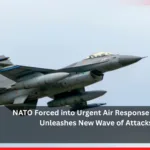

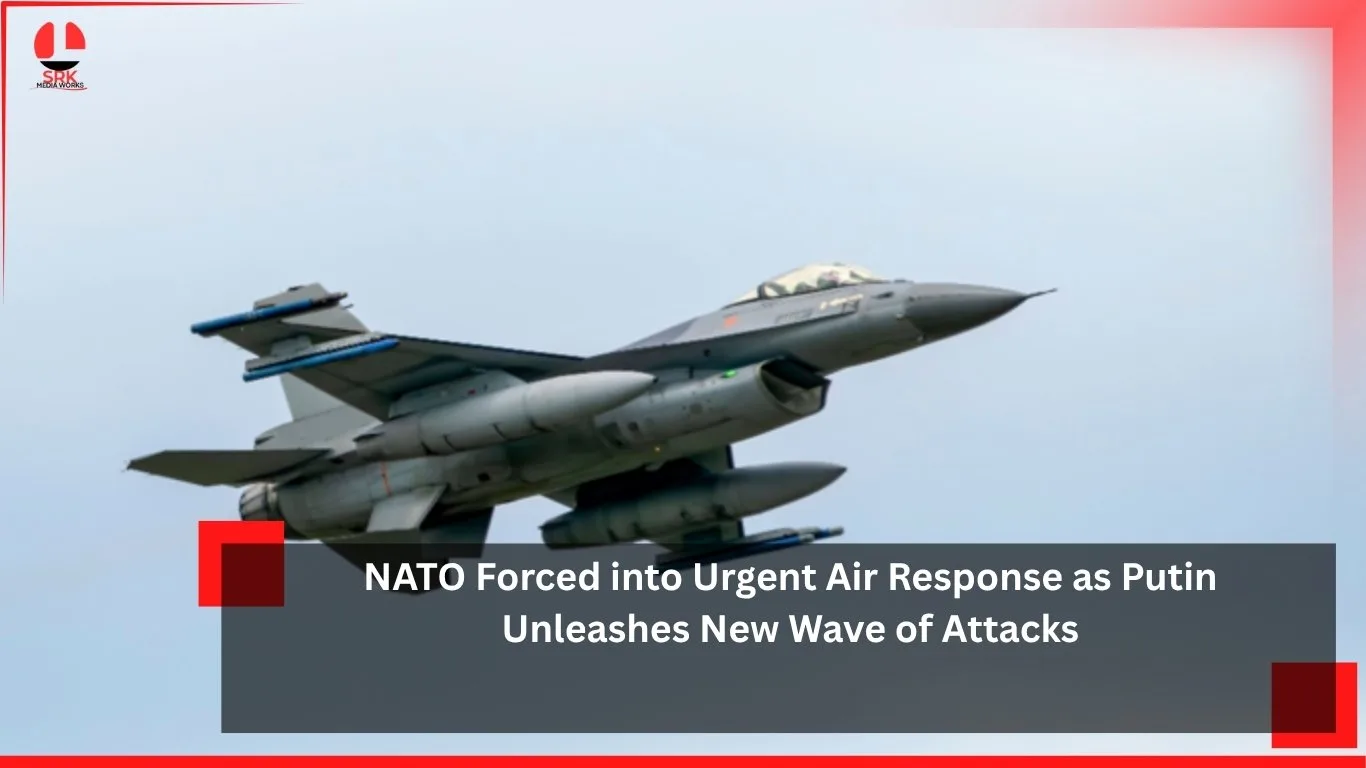
NATO was compelled to launch an urgent air response after Russian President Vladimir Putin ordered a fresh wave of drone and missile strikes against Ukraine, sparking fears of escalation across Eastern Europe. The attacks triggered airspace closures in Poland and heightened alerts in neighboring NATO states, underscoring the growing risk of direct confrontation between Russia and the alliance.
Background of the Escalation
- Date: March 2026
- Trigger: Russia intensified strikes on Ukrainian infrastructure, targeting energy grids and civilian areas.
- Immediate Impact: NATO scrambled fighter jets to intercept potential threats, while Poland temporarily restricted civilian flights.
- Strategic Context: Analysts warn Putin may expand aggression beyond Ukraine, with scenarios including targeting the Svalbard archipelago, Åland islands, or Eastern Estonia.
NATO’s Urgent Air Response
- Scrambled Jets: NATO deployed fighter aircraft from bases in Poland, Romania, and Germany.
- Airspace Closures: Poland restricted civilian flights in affected regions to ensure safety.
- Coordination: NATO allies increased intelligence sharing and surveillance operations.
- Preparedness: Emergency exercises were conducted to test rapid response capabilities.
Comparative Analysis of NATO vs Russia
| Aspect | NATO Response | Russian Action | Strategic Impact |
|---|---|---|---|
| Air Defense | Jets scrambled, radar monitoring | Drone & missile strikes | Prevented wider damage |
| Civilian Safety | Airspace closures in Poland | Targeting Ukraine’s cities | Regional disruption |
| Military Readiness | Heightened alert levels | Escalation of offensive | Risk of confrontation |
| Diplomatic Moves | Calls for de-escalation | Threats of expansion | Increased tension |
Public and Analyst Perspectives
- European Analysts: Stress NATO must prepare for wider Russian aggression beyond Ukraine.
- Security Experts: Warn that Russia’s drone and missile tactics are designed to test NATO’s readiness.
- Public Sentiment: Citizens in Eastern Europe express fear of escalation, while Western Europe calls for stronger deterrence.
Sentiment Breakdown
| Sentiment | Percentage |
|---|---|
| Support for NATO’s urgent response | 50% |
| Concern about escalation into wider war | 35% |
| Neutral/Wait-and-see | 15% |
Broader Implications
- For NATO: Reinforces the alliance’s commitment to defending its eastern flank.
- For Russia: Demonstrates Putin’s willingness to escalate despite sanctions and isolation.
- For Global Markets: Rising oil and gas prices reflect fears of prolonged instability.
- For Civilians: Heightened risk of displacement and humanitarian crises in Ukraine and neighboring states.
Long-Term Outlook
If Russia continues its aggressive strikes:
- NATO may expand air patrols and missile defense systems in Eastern Europe.
- Diplomatic channels could weaken further, raising the risk of direct confrontation.
- Global markets may face prolonged volatility, especially in energy sectors.
Conclusion
NATO’s urgent air response to Putin’s new wave of attacks highlights the fragile balance between deterrence and escalation in the ongoing conflict. As Russia intensifies its offensive, NATO’s readiness and unity will be tested in ways not seen since the Cold War. The coming months will determine whether diplomacy can prevent a wider war or whether Europe faces deeper instability.
Disclaimer
This article is based on publicly available information and analytical perspectives. It does not claim to provide verified military records or official government data. Readers are encouraged to follow updates from credible authorities for confirmed details. The content is intended for informational and discussion purposes only.