



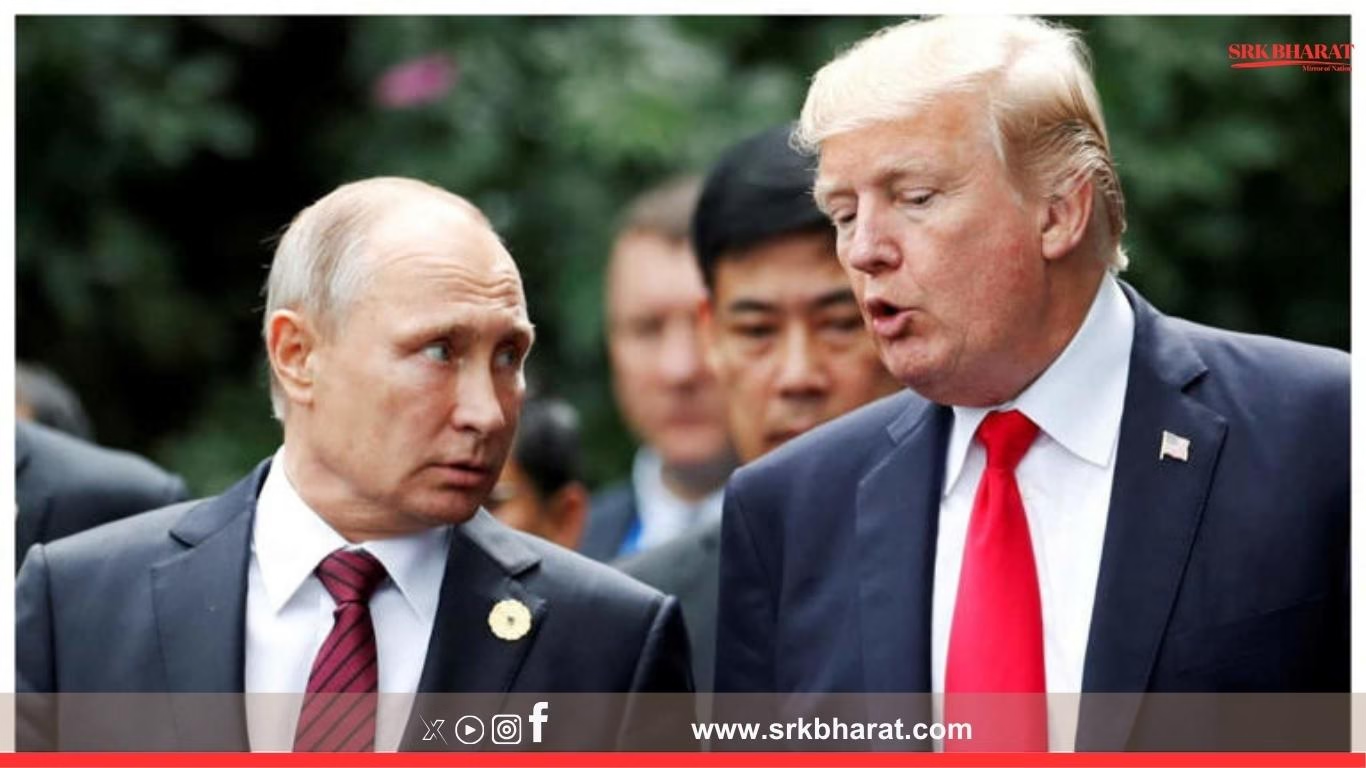
In a significant diplomatic development, a senior Russian official has confirmed that the United States will not impose additional tariffs on Indian exports following the high-stakes summit between President Donald Trump and Russian President Vladimir Putin in Alaska. The announcement comes as a relief to Indian exporters and policymakers, who had been bracing for a potential 25% hike in tariffs tied to India’s continued purchase of discounted Russian oil.
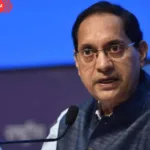
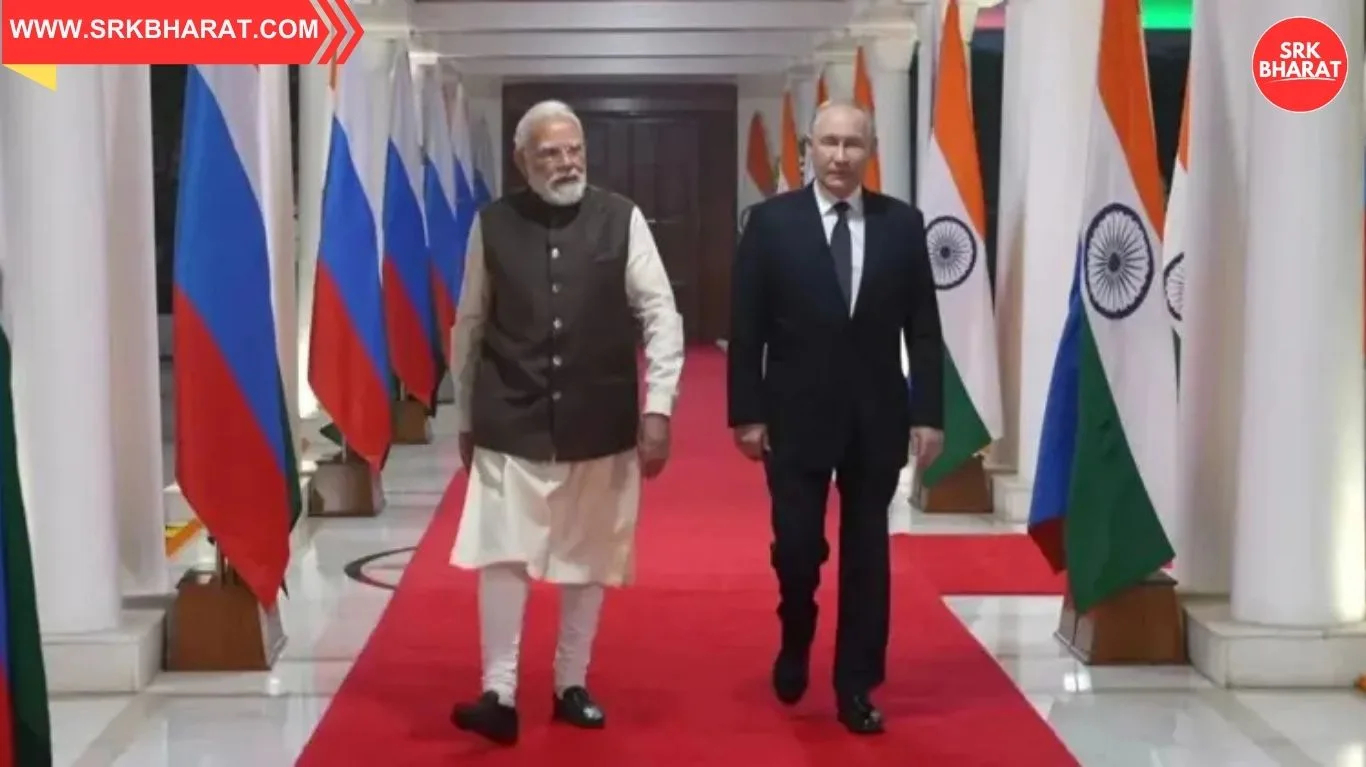
Roman Babushkin, Chargé d’Affaires of the Russian Embassy in India, stated that the outcome of the Trump-Putin talks was “positive” and that the U.S. may ease its stance on India amid broader efforts to resolve the Ukraine conflict. “Whatever happens globally, we are capable of resolving them for mutual satisfaction with India, and we will continue our partnership despite external threats,” Babushkin said.
🧭 Background: Tariff Threats and Strategic Pressure
The Trump administration had previously signaled its intent to penalize India for importing Russian crude oil, citing concerns that such trade undermines sanctions against Moscow. India’s imports of Russian oil surged from under 1% in 2021 to over 40% in 2025, prompting Washington to consider secondary sanctions and punitive tariffs on Indian goods.
| Timeline of Tariff Threats | Key Developments |
|---|---|
| July 2025 | Trump administration proposes 25% penalty tariff |
| August 15, 2025 | Trump hints at reconsideration during Fox News interview |
| August 20, 2025 | Russian official confirms no extra tariff on India |
| August 27, 2025 | Original deadline for tariff implementation |
Trump had remarked that India was “doing about 40 percent of the oil” and that a secondary tariff would be “very devastating” but added, “Maybe I won’t have to do it”.
📉 India’s Trade Exposure and Economic Stakes
India exports over $85 billion worth of goods to the United States annually, making the U.S. its largest trading partner. The proposed tariff hike would have impacted key sectors such as textiles, gems, chemicals, and auto components, potentially affecting nearly $30 billion in trade.
| Sector | Export Value to US (FY25) | Tariff Risk Level |
|---|---|---|
| Textiles | $12 billion | High |
| Gems & Jewelry | $9 billion | Moderate |
| Chemicals | $6 billion | High |
| Auto Components | $3 billion | Medium |
The confirmation that no additional tariffs will be imposed is expected to stabilize market sentiment and protect thousands of jobs in India’s export-driven industries.
🧠 Diplomatic Signals from Alaska Summit
The Trump-Putin summit in Alaska was aimed at negotiating an end to the war in Ukraine and addressing global trade disruptions. While no formal agreement was announced, both leaders described the talks as “constructive,” with Trump citing “considerable progress” and Putin referring to an “important agreement”.
| Summit Outcome | Implication for India |
|---|---|
| No formal Ukraine deal | Tariff threats remain but eased |
| Positive dialogue | India spared additional penalties |
| Strategic recalibration | Opens space for India-Russia-US diplomacy |
India welcomed the summit and praised the leadership of both presidents in pursuing peace. “The way forward can only be through dialogue and diplomacy,” said Randhir Jaiswal, spokesperson for the Ministry of External Affairs.
🔍 Russia’s Role in Shielding India
Russia has played a key role in advocating for India’s exemption from U.S. tariffs. Babushkin emphasized that India remains a vital partner and that Moscow will continue to support New Delhi’s strategic autonomy. He also confirmed that the remaining S-400 missile systems will be delivered to India “according to schedule”.
| Russian Support for India | Description |
|---|---|
| Tariff Exemption Advocacy | Urged U.S. to spare India from penalties |
| Defense Cooperation | Continued delivery of S-400 systems |
| Energy Partnership | Stable oil supply despite global pressure |
Russia’s diplomatic backing has helped India maintain its energy security while navigating complex geopolitical tensions.
📊 India’s Energy Strategy and Global Positioning
India has defended its decision to buy Russian oil, citing affordability and inflation control. The government maintains that its trade practices are legal and aligned with international norms. India’s refining capacity allows it to meet domestic demand and export refined products globally.
| Energy Metric | Value (2025) | Strategic Impact |
|---|---|---|
| Russian Oil Share | 42% of total imports | Price stability, savings |
| Refining Capacity | 250+ MTPA | Export competitiveness |
| Estimated Savings | $16 billion | Inflation control |
India’s stance has been supported by several developing nations who rely on affordable energy imports to sustain growth.
🧠 Global Reactions and Strategic Implications
The decision to spare India from additional tariffs has drawn mixed reactions. European leaders welcomed the move, citing supply chain stability, while Ukraine expressed disappointment over continued Indian engagement with Moscow.
| Country/Entity | Reaction Summary |
|---|---|
| European Union | Relief over energy supply continuity |
| Ukraine | Criticized India’s oil trade with Russia |
| China | Silent, benefits from tariff truce |
| ASEAN | Neutral, watching India’s next steps |
India’s strategic autonomy and balanced diplomacy have allowed it to maintain relations with both Russia and the U.S. without compromising national interest.
🧠 Expert Commentary
Trade and foreign policy experts have praised India’s diplomatic navigation. Dr. Radhika Menon, a strategic affairs analyst, said:
“India’s ability to avoid punitive tariffs while maintaining energy ties with Russia is a testament to its growing global influence.”
Energy economist Rakesh Sharma added:
“The Alaska summit outcome shows that diplomacy can still prevail over sanctions and pressure tactics.”
These insights underscore the importance of dialogue in resolving complex international disputes.
📌 Conclusion
The confirmation that no extra tariffs will be imposed on India following the Trump-Putin summit marks a diplomatic win for New Delhi. With Russian support and strategic engagement, India has successfully safeguarded its trade interests and energy security amid global turbulence.
As the world watches the evolving dynamics of U.S.-Russia-India relations, the message is clear: balanced diplomacy, strategic autonomy, and constructive dialogue remain India’s strongest assets in navigating the new global order.
—
Disclaimer: This article is based on publicly available diplomatic and economic reports as of August 21, 2025. It is intended for informational purposes only and does not constitute investment or foreign policy advice.
помощь в согласовании перепланировки квартиры soglasovanie-pereplanirovki-kvartiry4.ru .