





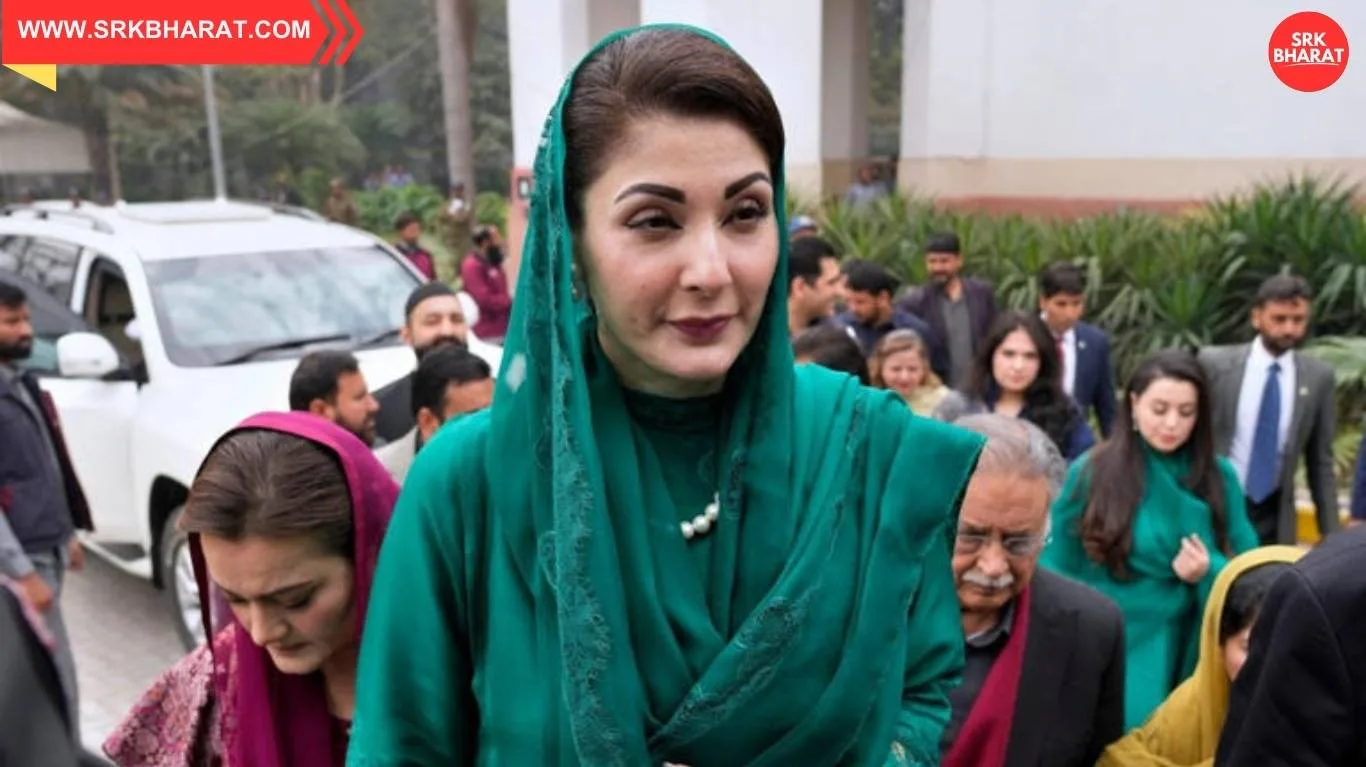
In a significant directive aimed at reforming police-public interactions, Maryam Nawaz, the Chief Minister of Punjab province in Pakistan, has instructed police officers to abandon the use of casual or disrespectful language such as “oye” when addressing citizens. Instead, she emphasized that officers should use respectful terms like “sir” or “madam”, ensuring that the public feels valued and treated with dignity.
Key Highlights
- Directive Issued: Maryam Nawaz instructs police to adopt respectful language.
- Cultural Shift: Move away from casual or harsh tones like “oye.”
- Public Engagement: Aim to build trust between police and citizens.
- Leadership Role: First major reform initiative under her tenure.
- Social Impact: Seen as a step toward modernizing policing culture in Pakistan.
Why This Directive Matters
- Public Trust: Respectful communication fosters confidence in law enforcement.
- Cultural Sensitivity: Language plays a key role in shaping perceptions.
- Police Image: Enhances professionalism and accountability.
- Governance Reform: Reflects Maryam Nawaz’s focus on citizen-centric policies.
Comparative Analysis: Police Communication Reforms
| Country/Region | Reform Introduced | Impact on Public Perception | Challenges |
|---|---|---|---|
| Pakistan (Punjab) | Respectful language directive | Builds trust, reduces fear | Implementation consistency |
| India | Community policing initiatives | Improved engagement | Training gaps |
| UK | Politeness protocols in policing | Strengthened professionalism | Cultural adaptation |
| US | Body cameras + communication training | Transparency, accountability | Resistance in some departments |
This comparison shows how Pakistan’s directive aligns with global trends in improving police-public relations.
Pivot Analysis: Stakeholder Perspectives
| Stakeholder | Position on Directive | Impact |
|---|---|---|
| Government | Positive | Reinforces citizen-centric governance |
| Police Officers | Mixed | Some welcome change, others cautious |
| Citizens | Encouraged | Feel valued and respected |
| Analysts | Watchful | Assessing long-term impact |
| Opposition Parties | Critical | Question practicality of directive |
The pivot analysis highlights optimism among citizens, while analysts and opposition remain cautious about implementation.
Benefits of the Directive
- Improved Public Relations: Citizens feel respected in interactions.
- Professionalism: Police image enhanced nationally and internationally.
- Reduced Conflict: Polite communication lowers chances of confrontation.
- Cultural Modernization: Aligns policing with democratic values.
Challenges Ahead
- Training Needs: Officers require communication workshops.
- Consistency: Ensuring directive is followed across all ranks.
- Resistance: Some officers may resist cultural change.
- Monitoring: Mechanisms needed to track compliance.
Broader Context
- Political Leadership: Maryam Nawaz’s directive reflects her governance style focused on reforms.
- Social Change: Language reforms seen as part of broader modernization efforts.
- Global Influence: Pakistan aligning with international policing standards.
- Public Sentiment: Citizens welcome the move as a step toward dignity and respect.
Conclusion
Maryam Nawaz’s directive to Pakistani police—“No more oye, say sir or madam”—marks a cultural shift in law enforcement communication. By emphasizing respect and dignity, the move aims to rebuild trust between police and the public, modernize policing culture, and reflect citizen-centric governance. While challenges in training and implementation remain, the directive is widely seen as a progressive step toward reform.
Disclaimer
This article is intended for informational purposes only. It provides an overview of Maryam Nawaz’s directive to police officers in Pakistan and its implications for public engagement. It does not constitute political advice or endorsement. Readers should rely on official communications for verified updates.