
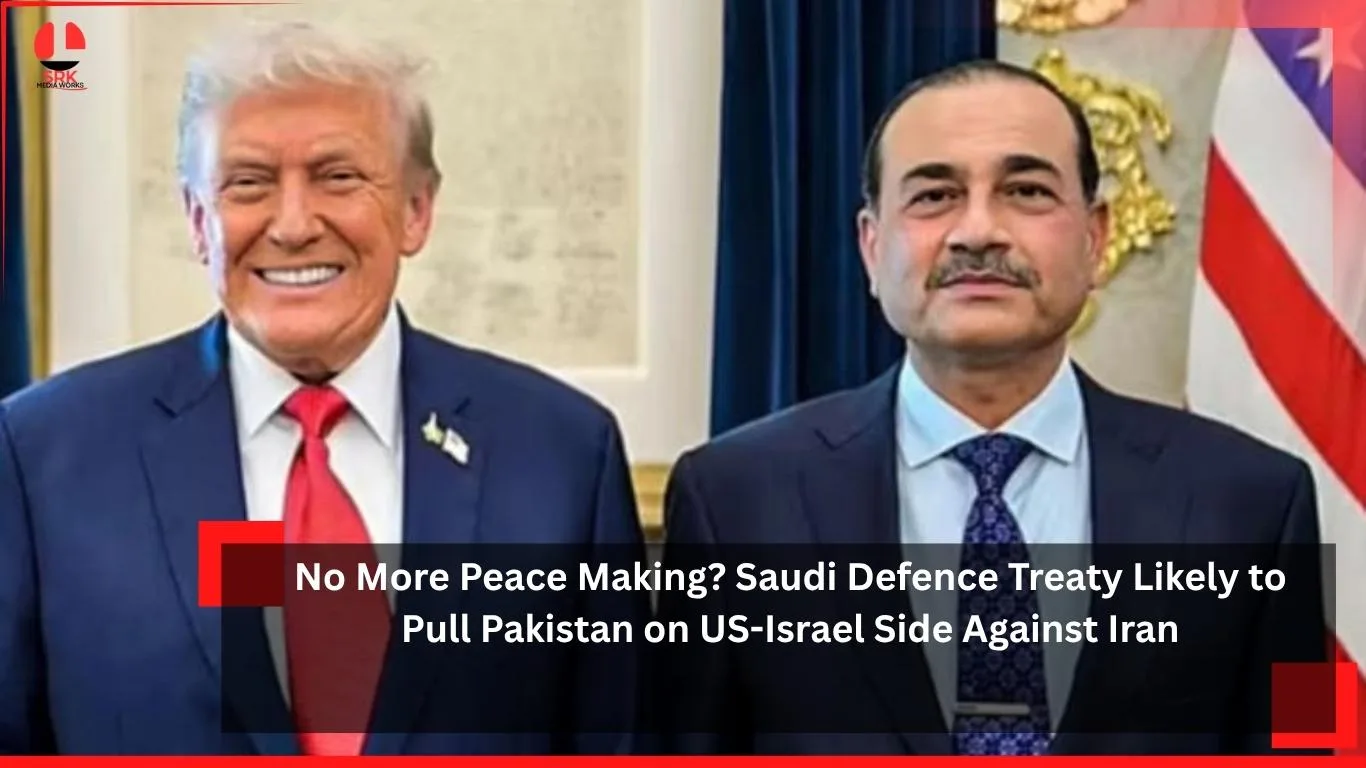
The Middle East’s geopolitical chessboard is undergoing a dramatic transformation as reports suggest that Saudi Arabia is finalizing a defence treaty that could align Pakistan more closely with the United States and Israel, positioning them against Iran. This development signals a potential end to Pakistan’s long-standing balancing act between rival powers and raises questions about the future of peace-making in the region.
Saudi Defence Treaty: A Strategic Shift
Saudi Arabia’s pursuit of a defence treaty is part of its broader strategy to secure military guarantees from the United States while normalizing ties with Israel. The treaty is expected to:
- Strengthen Saudi military capabilities.
- Formalize U.S. commitments to defend Saudi Arabia against external threats.
- Encourage regional allies, including Pakistan, to align with the U.S.-Israel bloc.
This move could reshape alliances across the Middle East, forcing countries like Pakistan to reconsider their diplomatic and military positions.
Pakistan’s Dilemma
Pakistan has historically maintained a delicate balance between Saudi Arabia, Iran, and the United States. However, the new treaty may compel Islamabad to take sides. Key considerations include:
- Economic Dependence: Pakistan relies heavily on Saudi financial aid and remittances from Pakistani workers in the Gulf.
- Military Cooperation: Pakistan has long provided military training and support to Saudi forces.
- Regional Balance: Aligning with Saudi Arabia and the U.S. could strain Pakistan’s relations with Iran, a neighboring country with shared borders and cultural ties.
Iran’s Concerns
Iran views the Saudi defence treaty as a direct threat to its regional influence. Tehran fears that:
- Pakistan’s alignment with Saudi Arabia could weaken Iran’s position in South Asia.
- U.S.-Israel-Saudi cooperation may lead to increased military pressure on Iran.
- The treaty could embolden Saudi Arabia to adopt a more aggressive stance against Iranian proxies in Yemen, Syria, and Lebanon.
Comparative Analysis of Regional Players
| Country | Position on Treaty | Strategic Interests | Potential Risks |
|---|---|---|---|
| Saudi Arabia | Pro-Treaty | Security guarantees, normalization with Israel | Increased tensions with Iran |
| Pakistan | Likely supportive | Economic aid, military cooperation | Strained ties with Iran |
| United States | Architect | Regional stability, countering Iran | Risk of deeper entanglement |
| Israel | Supportive | Normalization, strategic alignment | Escalation with Iran |
| Iran | Opposed | Regional influence, deterrence | Isolation, military pressure |
Pivot Analysis: Peace vs. Defence Treaty
| Dimension | Peace-Making Path | Defence Treaty Path |
|---|---|---|
| Regional Stability | Dialogue, reduced tensions | Heightened rivalry, bloc politics |
| Pakistan’s Role | Neutral mediator | Strategic ally of U.S.-Israel-Saudi |
| Iran’s Position | Engaged in diplomacy | Isolated, pressured militarily |
| Global Impact | Positive for trade, energy | Risk of oil market volatility |
This analysis shows how the defence treaty could shift Pakistan from a peace-making role to a more confrontational alignment.
Domestic Impact on Pakistan
The treaty’s implications for Pakistan extend beyond foreign policy:
- Economic Gains: Continued Saudi financial support and investment.
- Security Risks: Potential backlash from Iran, including border tensions.
- Political Debate: Opposition parties may criticize the government for abandoning neutrality.
Global Reactions
- United States: Welcomes Pakistan’s alignment as part of a broader anti-Iran strategy.
- Israel: Sees Pakistan’s involvement as a breakthrough in Muslim-majority support.
- Iran: Condemns the treaty, warning of destabilization.
- China: Watches cautiously, given its close ties with both Pakistan and Iran.
Future Outlook
The Saudi defence treaty could mark a turning point in Middle Eastern geopolitics. Pakistan’s alignment with the U.S. and Israel may:
- Strengthen Saudi Arabia’s position.
- Intensify Iran’s isolation.
- Reduce prospects for peace-making initiatives in the region.
The long-term impact will depend on whether diplomacy can counterbalance military alliances or whether bloc politics will dominate.
Conclusion
The prospect of a Saudi defence treaty pulling Pakistan onto the U.S.-Israel side against Iran highlights the shifting dynamics of Middle Eastern geopolitics. While the treaty promises security and economic benefits for Saudi Arabia and its allies, it also risks escalating tensions with Iran and undermining peace-making efforts. Pakistan’s role will be crucial in determining whether the region moves toward confrontation or cooperation.
Disclaimer
This article is an analytical overview based on geopolitical assessments and publicly available information. It does not endorse or criticize any nation or political leader. The content is intended for educational and informational purposes only, and readers should consider multiple perspectives before forming conclusions.