



The sweeping GST reforms announced by the GST Council in its 56th meeting have reignited political debate across India, with opposition parties accusing the government of delaying relief and burdening the middle class for nearly a decade. While the new two-slab structure—5% and 18%—has been hailed by industry leaders and economists as a long-overdue simplification, critics argue that the reforms come “too little, too late” for millions of households, small traders, and salaried citizens.
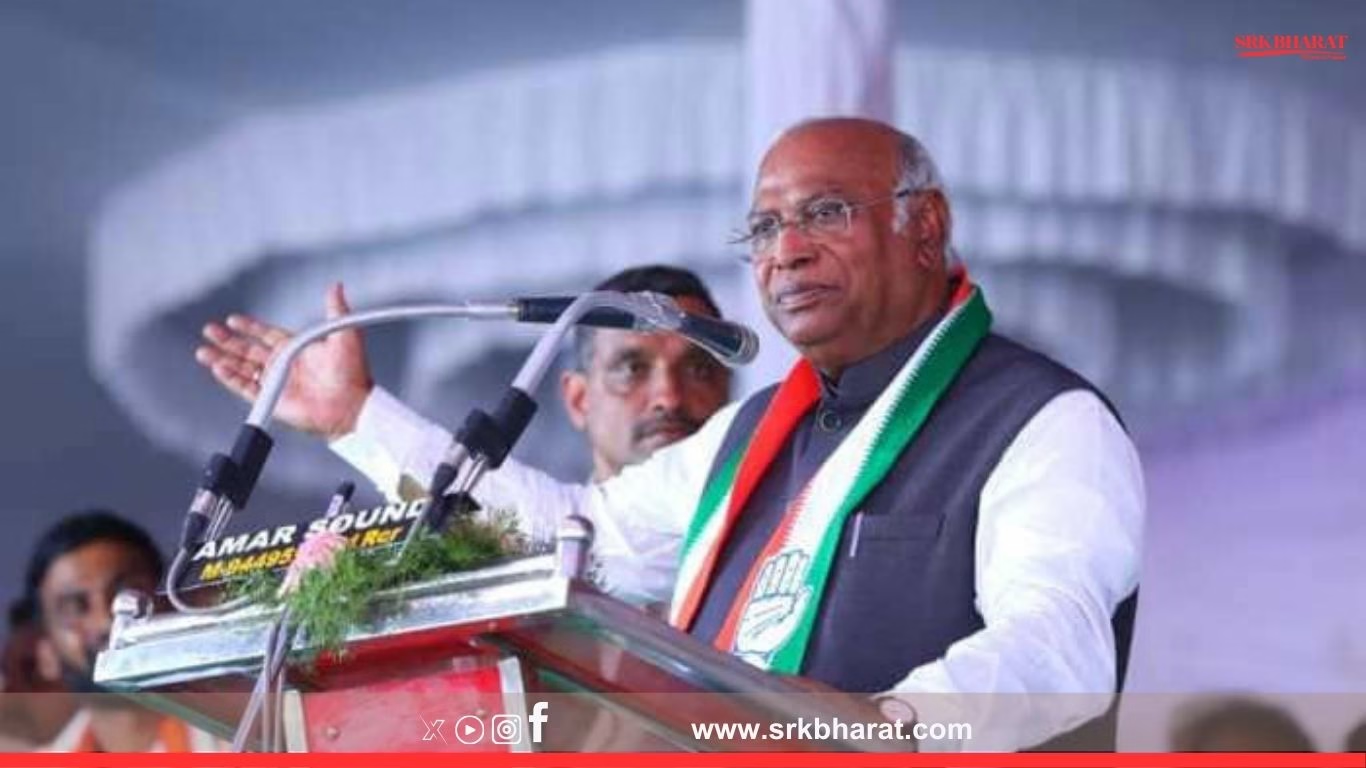
Congress MP Manickam Tagore led the charge, stating that the original promise of “One Nation, One Tax” had devolved into “One Nation, Nine Taxes,” referencing the multiple cesses, surcharges, and slab complexities that plagued the GST regime since its launch in July 2017. Former Finance Minister P Chidambaram, Trinamool Congress MP Saket Gokhale, and CPI(M) leaders echoed similar sentiments, questioning the timing, intent, and execution of the reforms.
🧭 Opposition’s Key Criticisms of GST Reforms
| Political Leader | Statement / Position | Core Concern Raised |
|---|---|---|
| Manickam Tagore (Congress) | “Middle class suffered for eight years under flawed GST.” | Delay in reform, impact on salaried class |
| P Chidambaram (Congress) | “These rates should never have been implemented.” | Poor design, ignored expert advice |
| Jairam Ramesh (Congress) | “GST Council has become a formality.” | Lack of transparency, Centre’s dominance |
| Saket Gokhale (TMC) | “States sacrificed revenue, Modi took credit.” | Misrepresentation of collaborative decisions |
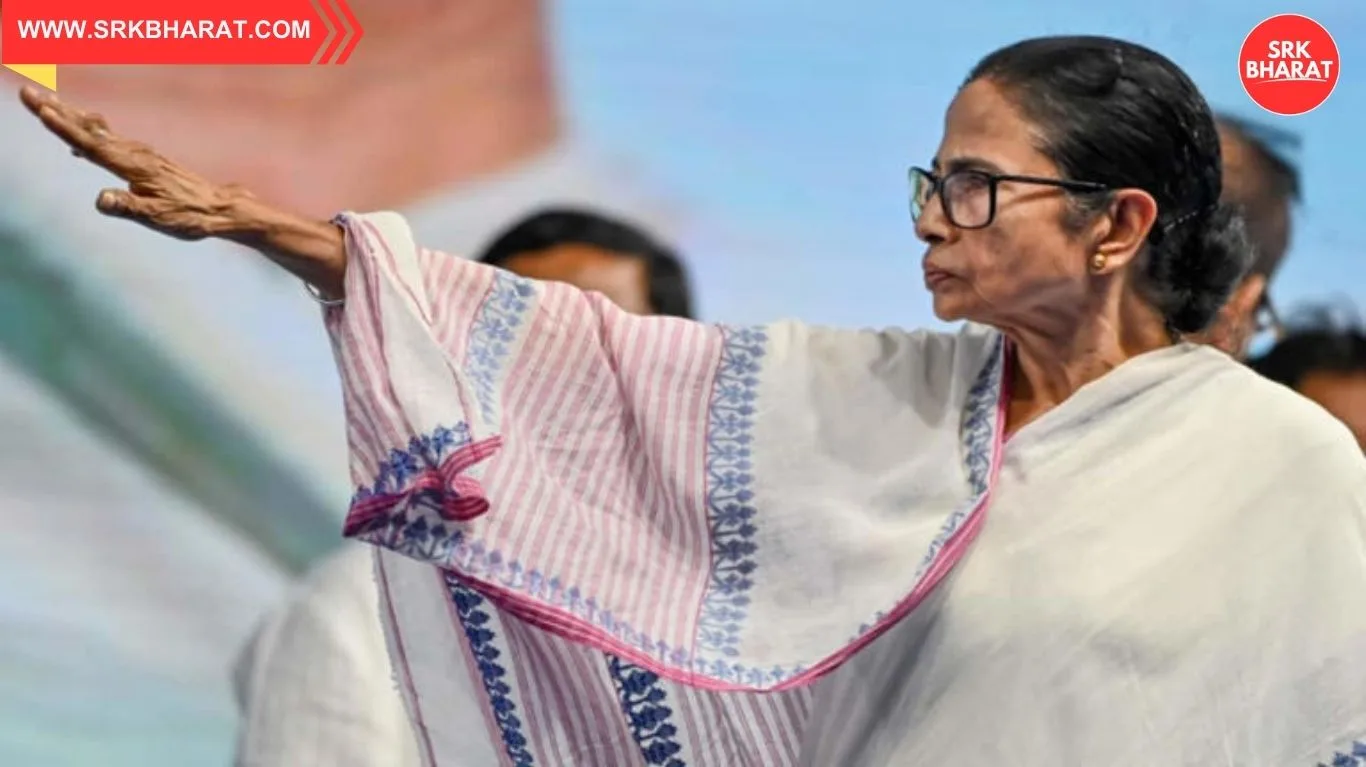
| Mamata Banerjee (TMC) | “Taxing insurance premiums was anti-family.” | Relief came only after political pressure |
The opposition claims that the middle class, small businesses, and informal sector workers bore the brunt of high indirect taxes, compliance burdens, and price inflation for years before the government acted.
🔍 GST Journey: From Complexity to Simplification
The GST was introduced in 2017 to unify India’s indirect tax system. However, its implementation faced several hurdles—multiple tax slabs, IT glitches, classification disputes, and revenue-sharing tensions between the Centre and states.
| GST Phase | Key Features | Public Sentiment |
|---|---|---|
| 2017–2019 | Four slabs (5%, 12%, 18%, 28%), frequent changes | Confusion, compliance overload |
| 2020–2022 | COVID-19 disruptions, compensation disputes | Revenue stress, Centre–state friction |
| 2023–2024 | Demand for rationalisation intensifies | Political pressure builds |
| 2025 (Reform) | Two slabs (5%, 18%), 40% for sin/luxury goods | Relief welcomed, timing questioned |
The new structure, effective from September 22, 2025, is expected to simplify compliance and reduce tax burden on essentials, but opposition leaders argue that the damage has already been done.
📉 Impact on Middle Class: Opposition’s Claims
| Area of Concern | Opposition’s Viewpoint | Claimed Effect on Middle Class |
|---|---|---|
| FMCG & Essentials | High GST on soaps, toothpaste, packaged food | Increased monthly expenses |
| Insurance Premiums | Tax on life and health policies | Reduced affordability, financial insecurity |
| Automobiles | 28% GST on small cars | Delayed purchases, affordability issues |
| Education & Services | GST on coaching, online platforms | Burden on students and parents |
| Compliance Costs | Complex returns, penalties | Stress for small traders and professionals |
Congress leaders argue that the middle class was disproportionately affected due to indirect taxation on everyday goods and services, while relief was delayed until election season.
🔥 Political Timing and Motives Questioned
Opposition parties have questioned whether the GST reforms were influenced by upcoming elections in Bihar, slowing GDP growth, rising debt, and US-imposed tariffs on Indian exports. They claim that the reforms were not proactive but reactive.
| Alleged Trigger | Opposition’s Interpretation | Government’s Position |
|---|---|---|
| Bihar Elections | Vote-bank appeasement | “Reforms were long-planned” |
| Economic Slowdown | Desperate stimulus | “Boosting consumption is strategic” |
| US Tariffs | External pressure | “Domestic reforms are independent” |
| Household Savings Decline | Political compulsion | “Middle class will benefit now” |
Finance Minister Nirmala Sitharaman has defended the reforms, stating that they are part of a broader roadmap to simplify taxation and boost growth.
🧠 Expert Commentary and Economic Perspectives
| Expert Name | Role | Comment |
|---|---|---|
| Meera Iyer | Tax Policy Analyst | “The reforms are welcome, but the delay has cost consumers.” |
| Rajiv Bansal | Economist | “GST 2.0 is a reset, but political timing cannot be ignored.” |
| Dr. Rakesh Sinha | Public Finance Scholar | “Middle class relief is real, but overdue.” |
Experts agree that while the new structure is more efficient, the prolonged burden on consumers and small businesses has left a lasting impact.
📦 Comparative Table: Old vs New GST Structure
| Item Category | Old GST Rate | New GST Rate | Relief (%) | Opposition’s View |
|---|---|---|---|---|
| Toothpaste, Soap | 18% | 5% | –13% | “Delayed benefit” |
| Small Cars | 28% | 18% | –10% | “Election gimmick” |
| Packaged Food | 12% | 5% | –7% | “Should’ve been nil” |
| Insurance Premiums | 18% | 0% | –18% | “Only after protests” |
| Cement | 28% | 18% | –10% | “Too late for MSMEs” |
The opposition maintains that these rate cuts should have been implemented years ago when inflation and unemployment were peaking.
📌 Conclusion
The GST reforms of 2025 may mark a turning point in India’s indirect tax regime, but they have also opened a floodgate of political criticism. Opposition parties argue that the middle class suffered for eight years under a flawed system that promised simplicity but delivered complexity. As the new rates take effect, the debate over timing, intent, and impact will continue to shape India’s economic and political narrative.
—
Disclaimer: This article is based on publicly available political statements, economic reports, and media coverage as of September 4, 2025. It is intended for informational purposes only and does not constitute financial or political advice.
натяжные потолки дешево нижний новгород http://www.stretch-ceilings-nizhniy-novgorod.ru .