

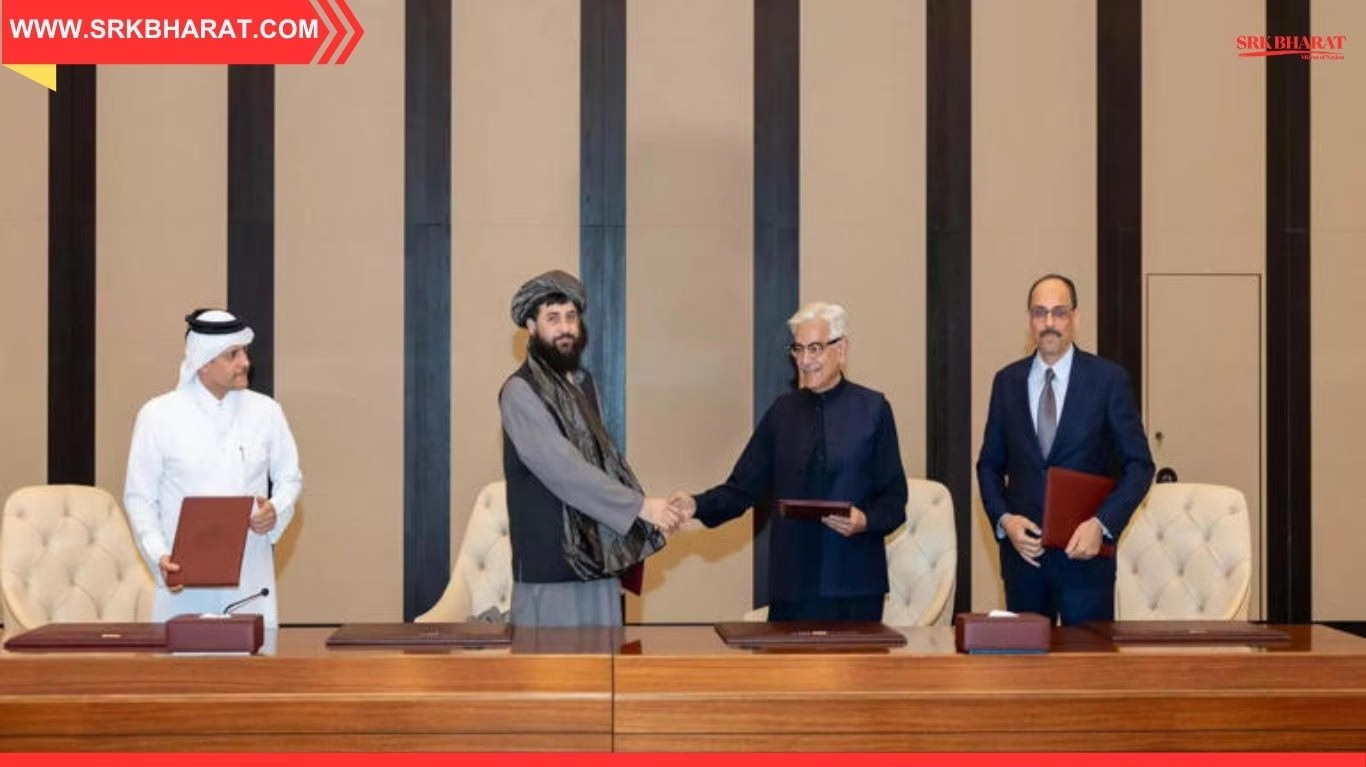
In a major diplomatic breakthrough, Pakistan and Afghanistan have agreed to an immediate ceasefire following high-level peace talks held in Doha, Qatar, on October 18, 2025. The negotiations, mediated by Qatar and Turkey, come after a week of deadly cross-border clashes that claimed dozens of lives and threatened to destabilize the already fragile relationship between the two South Asian neighbors.
The ceasefire agreement was confirmed by Qatar’s Ministry of Foreign Affairs, which stated that both sides had committed to halting hostilities and establishing mechanisms to ensure long-term peace and stability. The talks were attended by Pakistan’s Defence Minister Khawaja Asif and intelligence chief General Asim Malik, while the Afghan delegation was led by Defence Minister Mohammad Yaqoob, son of Taliban founder Mullah Omar.
🧠 Key Highlights from Pakistan-Afghanistan Ceasefire Agreement
| Element | Details |
|---|---|
| Ceasefire Status | Immediate, effective October 18, 2025 |
| Location of Talks | Doha, Qatar |
| Mediators | Qatar and Turkey |
| Pakistani Delegation | Khawaja Asif, Gen. Asim Malik |
| Afghan Delegation | Mohammad Yaqoob |
| Follow-Up Mechanism | Scheduled meetings to verify and sustain truce |
| Trigger for Talks | Pakistani airstrikes, Afghan retaliation, civilian deaths |
The ceasefire follows Pakistan’s airstrikes on Afghan border regions targeting Tehrik-i-Taliban Pakistan (TTP) militants, which Kabul claimed violated a prior 48-hour truce.
📊 Timeline of Border Clashes and Peace Talks
| Date | Event Description |
|---|---|
| October 10 | Clashes erupt along Durand Line |
| October 12 | Pakistan conducts airstrikes in Afghan territory |
| October 14 | Afghanistan threatens retaliation |
| October 16 | Temporary 48-hour ceasefire agreed |
| October 18 | Doha peace talks conclude with ceasefire deal |
The violence marked the worst border confrontation since the Taliban’s return to power in 2021, with dozens of troops and civilians killed on both sides.
🗣️ Reactions from Diplomats, Analysts, and Citizens
- Qatar Foreign Ministry: “This agreement is a step toward regional stability and humanitarian protection.”
- Security Analyst: “The ceasefire is fragile but necessary. Verification mechanisms will be key.”
- Citizens on Social Media: “Peace is welcome. But accountability must follow.”
| Stakeholder Group | Reaction Summary |
|---|---|
| Diplomats | Applauding Qatar’s mediation role |
| Analysts | Cautiously optimistic about sustainability |
| Citizens | Calling for transparency and justice |
| Media | Framing it as a regional peace milestone |
The agreement includes provisions for joint monitoring teams, border de-escalation protocols, and humanitarian access corridors.
🧾 Comparative Snapshot: Pakistan-Afghanistan Ceasefire History
| Year | Ceasefire Type | Duration | Outcome |
|---|---|---|---|
| 2019 | Informal border truce | 3 weeks | Collapsed after militant attacks |
| 2021 | Post-Taliban truce | 5 days | Ended with drone strikes |
| 2023 | Ramadan ceasefire | 1 month | Violated by cross-border shelling |
| 2025 | Doha agreement | Immediate, ongoing | Includes verification mechanism |
The current ceasefire is the first to include third-party mediation and structured follow-up meetings.
🧭 What to Watch in the Pakistan-Afghanistan Peace Process
- Verification Protocols: Joint teams to monitor border activity and ceasefire violations
- Militant Activity: TTP and IS-K presence may challenge truce enforcement
- Diplomatic Engagements: Follow-up talks expected in Kabul and Islamabad
- Humanitarian Impact: Aid agencies to resume operations in border regions
The ceasefire is seen as a test of regional diplomacy, counter-terrorism coordination, and civilian protection.
Disclaimer
This news content is based on verified diplomatic statements, media reports, and official briefings as of October 19, 2025. It is intended for editorial use and public awareness. The information does not constitute foreign policy advice, military analysis, or conflict resolution endorsement and adheres to ethical journalism standards.