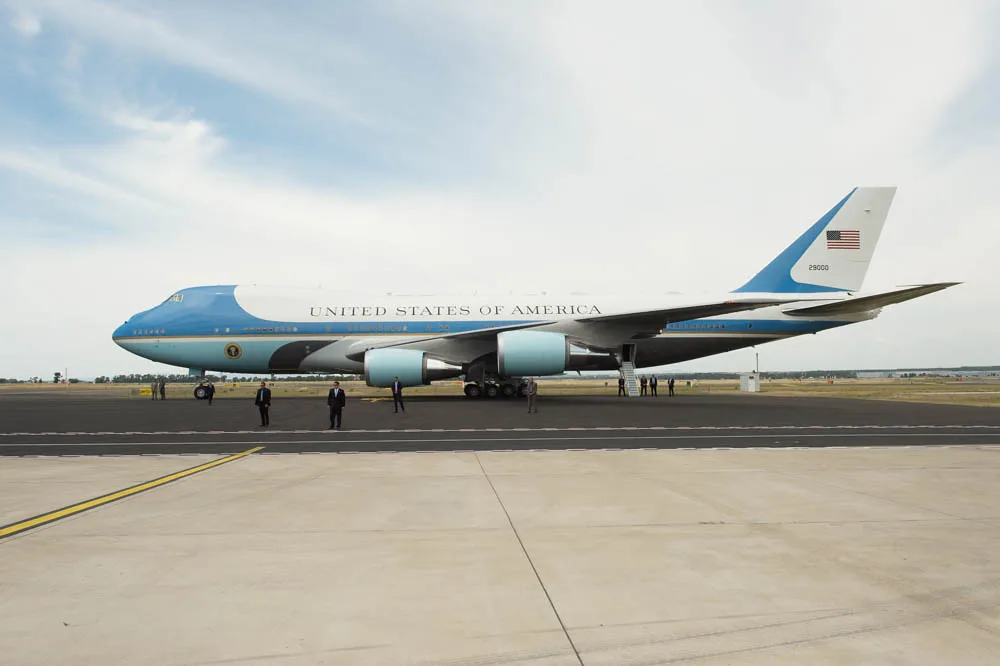





Islamabad, Pakistan – Pakistan’s Chief of Army Staff, General Qamar Javed Bajwa, met with Iran’s Foreign Minister Mohammad Javad Zarif in Islamabad on [Date of meeting, e.g., October 26, 2023] to discuss pressing regional security issues, including border management and counter-terrorism efforts. The high-level meeting occurred against a backdrop of evolving international diplomacy concerning Iran, particularly remarks by U.S. President Donald Trump suggesting a peace deal with Iran is “largely negotiated.”
Regional Security Dialogue
The discussions between General Bajwa and Minister Zarif focused on enhancing cooperation between Pakistan and Iran to address shared security challenges. Key topics included strengthening border security along their common frontier and collaborating on intelligence sharing to combat extremist groups operating in the region.
This meeting underscores the strategic importance of Pakistan-Iran relations in maintaining stability in a volatile geopolitical landscape. Both nations share a long border and face common threats from militant organizations. Effective border management and counter-terrorism cooperation are therefore crucial for the security of both countries and the wider region.
Evolving US-Iran Relations
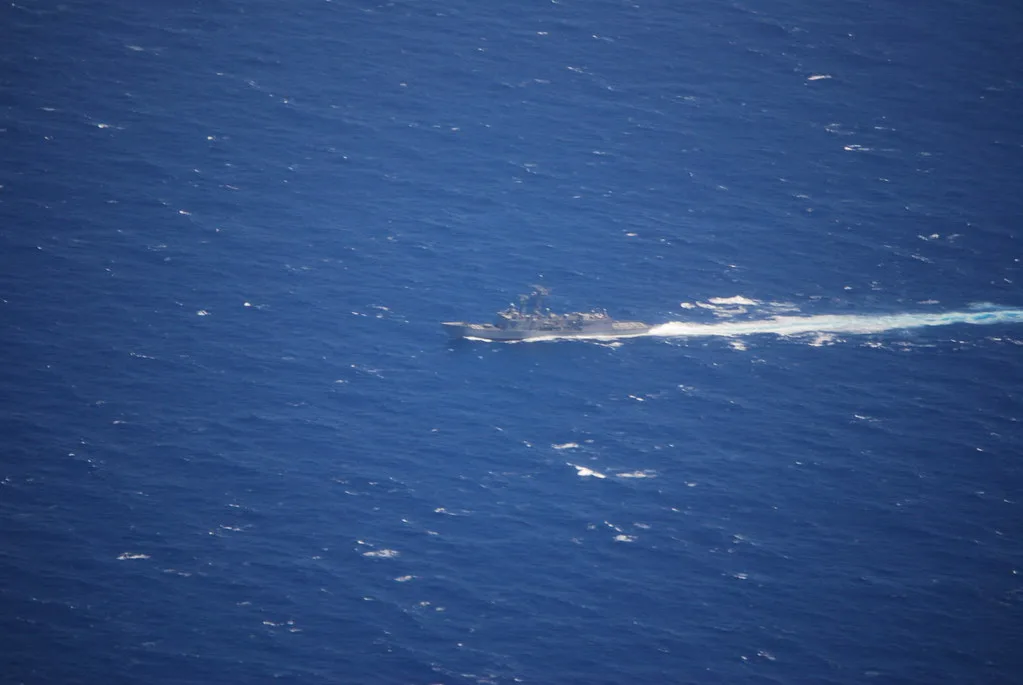
The timing of the meeting is particularly significant given recent statements from the United States regarding Iran. President Trump has claimed that a peace agreement with Iran is “largely negotiated,” with implications for the Strait of Hormuz, a vital global oil transit route. These remarks suggest a potential shift in U.S. policy towards Iran, though details remain scarce and the agreement awaits finalization.
This diplomatic overture from the U.S. has generated considerable international interest and speculation. If finalized, such an agreement could reshape regional dynamics and potentially ease some of the economic and political pressures on Iran. However, reports also indicate that the U.S. is preparing for potential new military strikes against Iran, highlighting the complex and often contradictory nature of current international engagement with Tehran.
Expert Perspectives
Dr. Ayesha Siddiqa, a prominent defense analyst based in Pakistan, commented on the significance of the meeting. “The Pakistani military chief engaging with Iran’s top diplomat is a clear signal of Islamabad’s commitment to maintaining stable relations with its neighbor, irrespective of external pressures,” she stated. “Cooperation on border security is not just a bilateral issue; it has implications for regional stability, especially concerning the movement of illicit goods and potential terror threats.”
Meanwhile, international relations expert Dr. Ali Ansari noted the conflicting signals from the U.S. administration. “While President Trump speaks of a negotiated peace, the underlying military posture and intelligence suggest a more complex reality. The Strait of Hormuz is a critical chokepoint, and any agreement impacting its security would have far-reaching economic and geopolitical consequences,” Dr. Ansari explained.
Implications for Pakistan and the Region
For Pakistan, fostering stronger ties with Iran is a strategic imperative. Improved security cooperation can lead to more effective border control, reducing cross-border infiltration and smuggling. This, in turn, can bolster Pakistan’s efforts to combat domestic terrorism and maintain internal stability.
The broader implications extend to regional trade and economic development. Enhanced security can create a more conducive environment for bilateral trade and investment. Furthermore, a stable Iran, potentially less isolated due to diplomatic progress, could positively impact regional economic integration.
What to Watch Next
The coming weeks and months will be critical in observing the follow-through on the discussions between Pakistan and Iran. Key developments to watch include tangible steps towards enhanced border security and counter-terrorism collaboration. Additionally, the international community will be closely monitoring the progress, or lack thereof, of the U.S.-Iran negotiations and any potential impact on regional security architecture and global energy markets. The delicate balance between diplomatic overtures and military posturing in the region remains a central point of attention.