

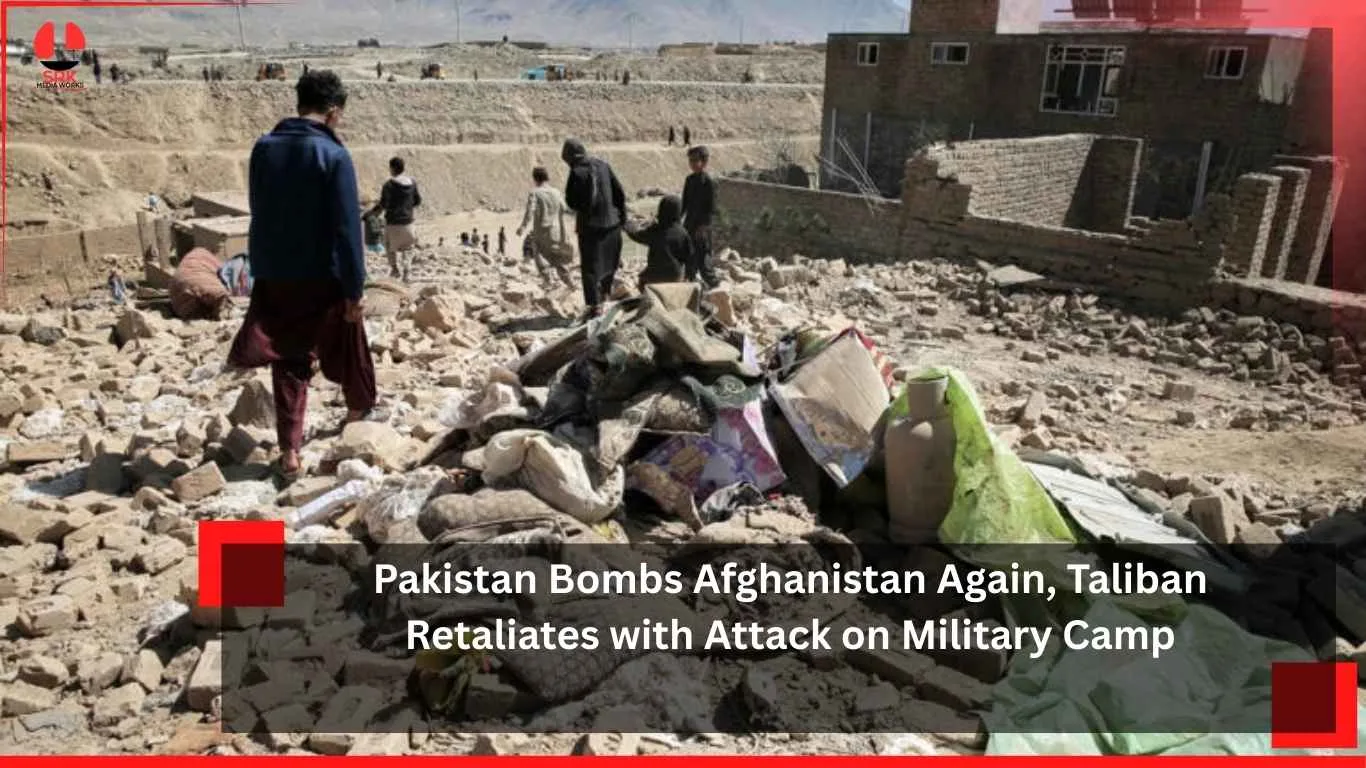
Tensions between Pakistan and Afghanistan have escalated sharply after Pakistani forces carried out fresh bombing raids across the border, prompting the Taliban to retaliate with a direct assault on a Pakistani military camp. This cycle of violence has once again highlighted the fragile relationship between the two nations and the growing instability in the region.
Background of the Conflict
Pakistan and Afghanistan share a long and complex history marked by border disputes, militant activity, and mutual accusations of harboring extremist groups. The Durand Line, which separates the two countries, has often been a flashpoint for clashes.
- Pakistan’s Concerns: Islamabad accuses the Taliban of sheltering groups that launch attacks inside Pakistan.
- Afghanistan’s Position: Kabul claims Pakistan interferes in its internal affairs and supports factions to destabilize the country.
- Regional Context: The broader instability in South Asia and the Middle East has amplified tensions, making reconciliation difficult.
The Latest Bombing and Retaliation
According to reports, Pakistani forces launched airstrikes targeting suspected militant hideouts inside Afghanistan. The Taliban responded swiftly by attacking a Pakistani military camp near the border, resulting in casualties and further inflaming hostilities.
Key developments:
- Pakistani Bombing: Targeted areas believed to house anti-Pakistan militants.
- Taliban Retaliation: Coordinated assault on a military camp, signaling a direct challenge to Pakistan’s military presence.
- Casualties: Both sides have reported losses, though exact figures remain unclear.
Political Reactions
The incident has triggered strong reactions from political leaders and analysts:
| Stakeholder Group | Reaction Type | Key Observations |
|---|---|---|
| Pakistan Government | Defensive | Justified bombing as counter-terrorism |
| Taliban Leadership | Aggressive | Claimed retaliation was necessary |
| Afghan Citizens | Concerned | Fear of escalation and civilian casualties |
| International Observers | Alarmed | Warned of regional instability |
This table illustrates the polarized responses, with both governments defending their actions while civilians and global observers express concern.
Historical Parallels
This is not the first time Pakistan and Afghanistan have clashed militarily. Similar incidents have occurred in the past, often leading to cycles of retaliation.
| Year | Incident | Outcome |
|---|---|---|
| 2017 | Cross-border shelling | Civilian casualties, diplomatic protests |
| 2021 | Taliban takeover of Kabul | Pakistan accused of interference |
| 2024 | Border skirmishes | Increased military presence on both sides |
| 2026 | Bombing and retaliation | Escalation of conflict, uncertain future |
This comparison shows a recurring pattern of violence and mistrust between the two nations.
Geopolitical Implications
The latest clash has significant implications for regional and global politics:
- Regional Stability: The violence threatens to destabilize South Asia further.
- Global Security: International powers fear that escalating conflict could provide space for extremist groups to regroup.
- Diplomatic Strain: Relations between Pakistan and Afghanistan are likely to deteriorate further, complicating peace efforts.
- Economic Impact: Trade and cross-border movement may be disrupted, affecting livelihoods in both countries.
International Perspective
Global powers have reacted cautiously:
- United Nations: Called for restraint and dialogue.
- United States: Expressed concern over rising instability.
- China and Russia: Monitoring closely, given their strategic interests in the region.
- Middle Eastern States: Wary of spillover effects into their own security dynamics.
Public Sentiment
Public opinion in both countries reflects frustration and fear. Citizens in border regions are particularly vulnerable, facing displacement and loss of livelihood due to repeated clashes. Social media discussions reveal anger at both governments for failing to prioritize peace.
Future Outlook
The path forward remains uncertain. Possible scenarios include:
| Scenario | Description | Potential Impact |
|---|---|---|
| Escalation | Continued bombings and retaliations | Regional instability, civilian casualties |
| Diplomatic Talks | Mediation by international powers | Temporary relief, fragile peace |
| Stalemate | Neither side escalates nor reconciles | Prolonged tension, unresolved disputes |
The future of Pakistan-Afghanistan relations will depend on whether both sides choose dialogue over confrontation.
Conclusion
The latest bombing by Pakistan and the Taliban’s retaliatory attack on a military camp mark another dangerous chapter in the troubled relationship between the two nations. With regional stability at stake, the international community is urging restraint and dialogue. However, given the history of mistrust and repeated clashes, achieving lasting peace remains a formidable challenge.
Disclaimer
This article is based on analytical perspectives and available information. It does not confirm or deny confidential military reports and should not be interpreted as official government policy. Readers are encouraged to follow verified government statements for authoritative updates.