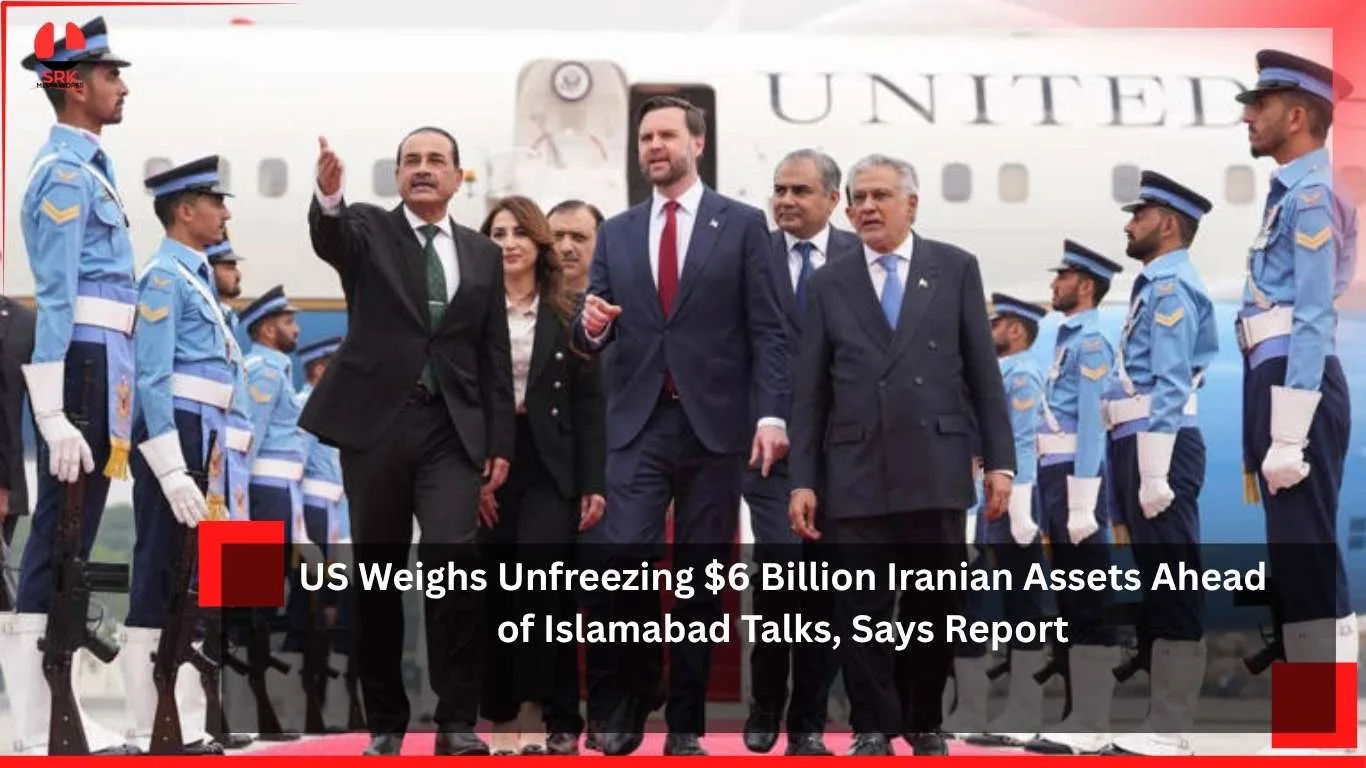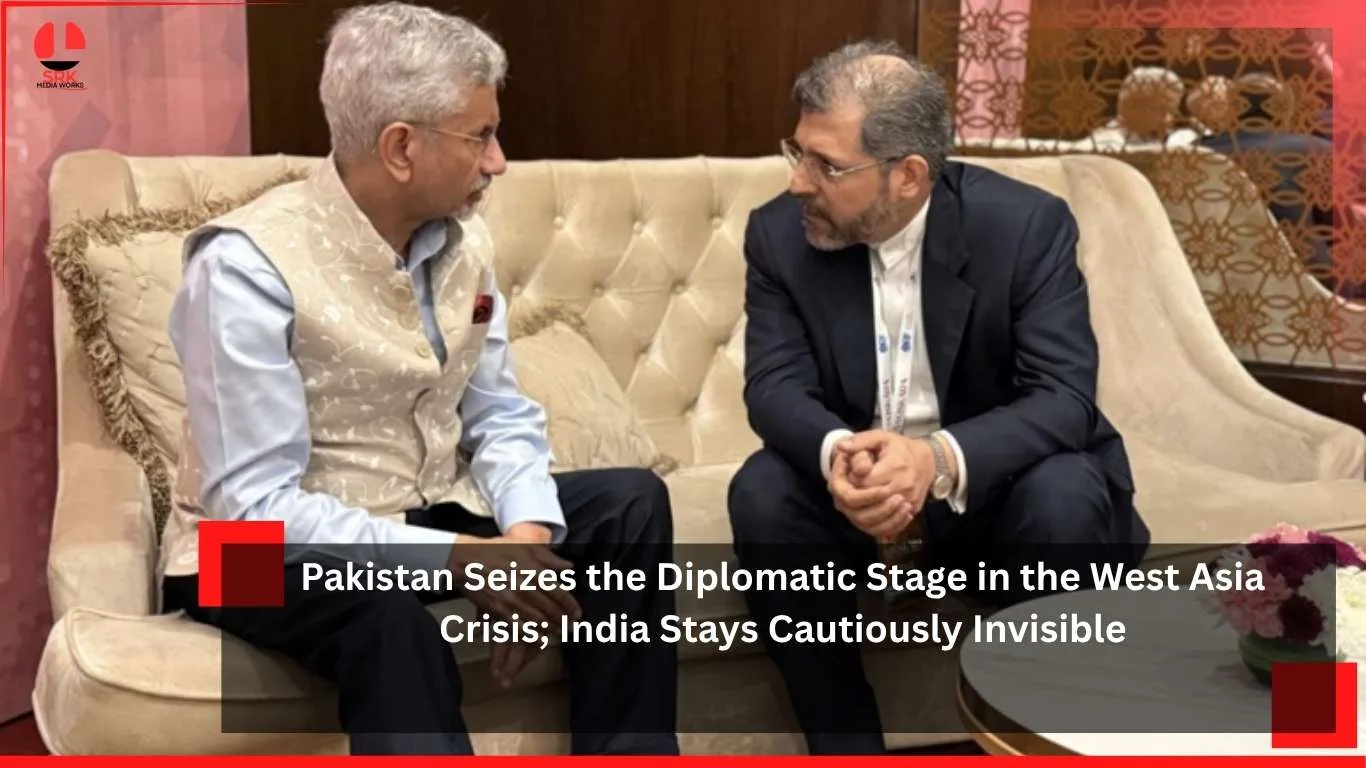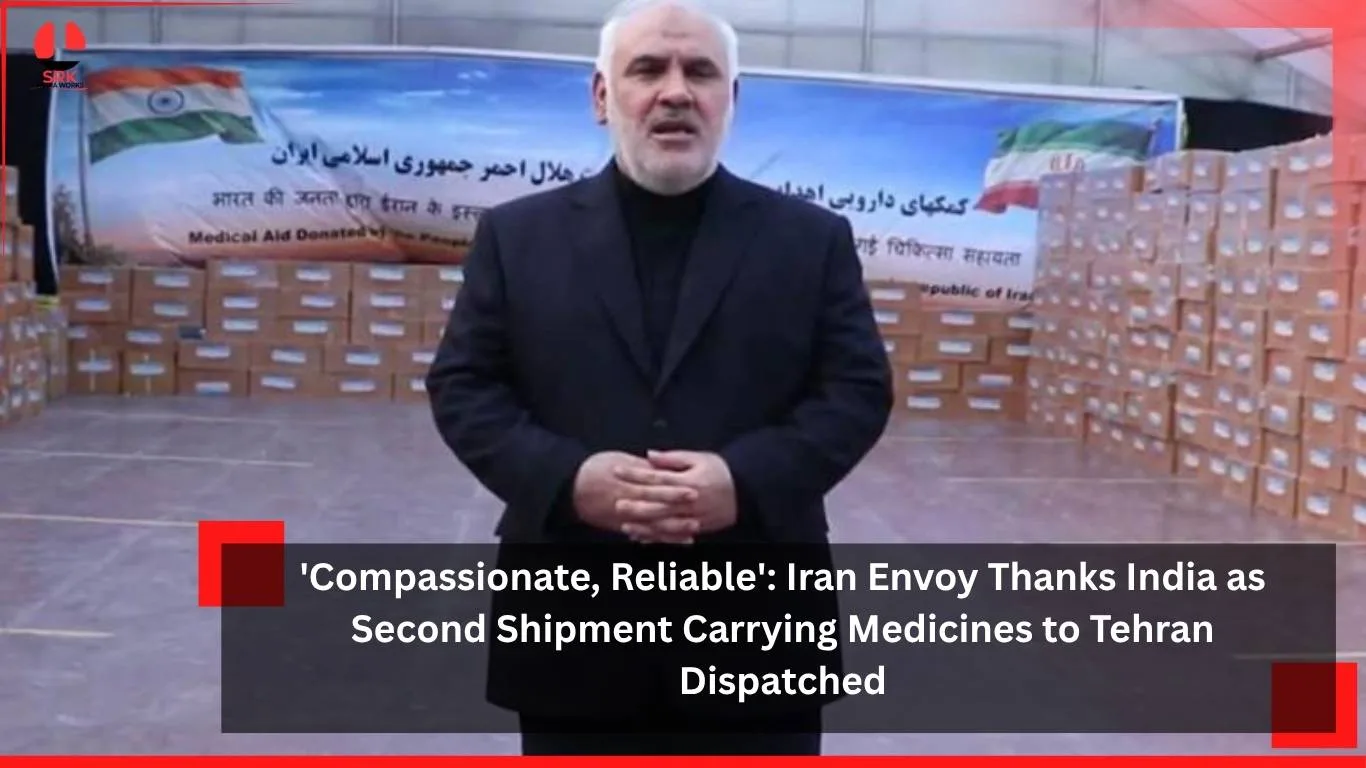


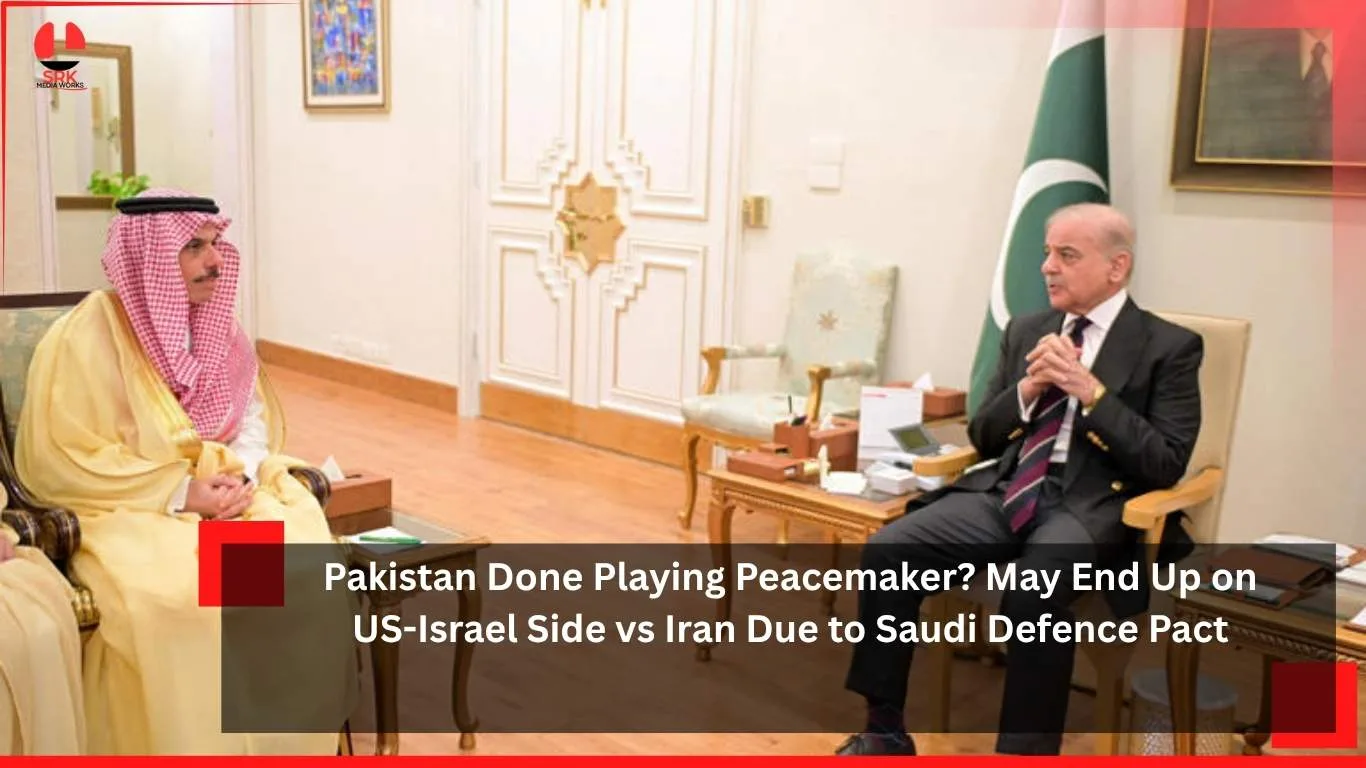
Pakistan’s foreign policy is once again under the spotlight as analysts suggest that Islamabad may be shifting away from its traditional role as a regional peacemaker. With the recent Saudi defence pact strengthening Riyadh’s ties with the United States and Israel, Pakistan could find itself aligned with this bloc against Iran, despite its historical attempts to balance relations across the Middle East.
Background of Pakistan’s Peacemaker Role
For decades, Pakistan has sought to position itself as a mediator in Middle Eastern conflicts, leveraging its ties with Saudi Arabia, Iran, and Western powers. Islamabad has often emphasized its role as a bridge between rival factions, promoting dialogue and attempting to reduce tensions.
However, the geopolitical landscape is changing rapidly. Saudi Arabia’s defence pact with the US and Israel has created new alignments, and Pakistan’s reliance on Saudi financial support and strategic partnership may push it closer to this bloc.
The Saudi Defence Pact and Its Implications
Saudi Arabia’s defence pact with the US and Israel is seen as a landmark agreement that reshapes regional security dynamics. The pact includes:
- Military Cooperation: Enhanced defence collaboration with US and Israeli forces.
- Technology Transfer: Access to advanced defence systems.
- Regional Security: A united front against perceived threats from Iran.
- Economic Integration: Strengthening ties with Western economies.
For Pakistan, which has historically relied on Saudi Arabia for financial aid, energy supplies, and employment opportunities for millions of expatriates, aligning with Riyadh’s new bloc may be inevitable.
Comparative Analysis of Pakistan’s Position
| Attribute | Traditional Role (Peacemaker) | Emerging Role (Bloc Alignment) |
|---|---|---|
| Diplomatic Strategy | Neutral, mediator | Aligned with Saudi-US-Israel |
| Relations with Iran | Balanced, cautious | Potentially strained |
| Relations with Saudi | Strong, supportive | Strengthened further |
| Global Perception | Mediator, bridge-builder | Strategic ally of Western bloc |
| Economic Dependence | Moderate | High reliance on Saudi support |
Pivot Analysis of Pakistan’s Foreign Policy
| Factor | Before Saudi Pact | After Saudi Pact |
|---|---|---|
| Diplomatic Flexibility | High | Reduced |
| Regional Influence | Balanced | Tilted towards Saudi bloc |
| Economic Stability | Moderate | Strengthened via Saudi ties |
| Relations with Iran | Stable | Potentially tense |
| Global Alignment | Neutral | Pro-Western bloc |
Reactions from Global Stakeholders
- United States: Welcomes Pakistan’s potential alignment, viewing it as a stabilizing factor in the bloc.
- Israel: Sees Pakistan’s tilt as a strategic advantage, though cautious about long-term trust.
- Iran: Likely to view Pakistan’s shift as a betrayal, potentially straining bilateral ties.
- Saudi Arabia: Encourages Pakistan’s support, leveraging shared religious and economic ties.
- Regional Analysts: Warn that Pakistan’s credibility as a mediator may be undermined.
Challenges Facing Pakistan
Pakistan’s potential alignment with the Saudi-US-Israel bloc presents several challenges:
- Strained Relations with Iran: Risk of diplomatic fallout and reduced cooperation.
- Domestic Backlash: Public opinion may resist overt alignment with Israel.
- Regional Instability: Increased tensions could spill over into Pakistan’s borders.
- Loss of Mediator Role: Pakistan’s reputation as a peacemaker may diminish.
Broader Implications
Pakistan’s shift highlights broader geopolitical themes:
- Economic Dependence: Reliance on Saudi financial support shapes foreign policy decisions.
- Regional Realignment: Middle Eastern alliances are evolving rapidly.
- Diplomatic Trade-offs: Balancing domestic sentiment with international commitments.
- Global Perception: Pakistan risks losing credibility as a neutral mediator.
Conclusion
Pakistan’s foreign policy appears to be at a crossroads. While it has long sought to play the role of peacemaker in Middle Eastern conflicts, the Saudi defence pact with the US and Israel may push Islamabad into a new alignment. This shift could strengthen Pakistan’s economic and strategic ties but risks straining relations with Iran and undermining its credibility as a mediator.
The coming months will reveal whether Pakistan can balance its traditional diplomatic role with the demands of new geopolitical realities, or whether it will fully embrace alignment with the Saudi-led bloc.
Disclaimer
This article is intended for informational purposes only. It is based on publicly available developments and does not represent official statements from the governments of Pakistan, Saudi Arabia, the United States, Israel, or Iran. Readers should rely on official announcements for verified updates.