


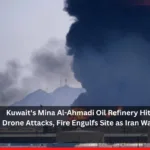
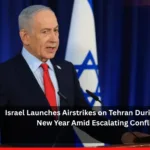
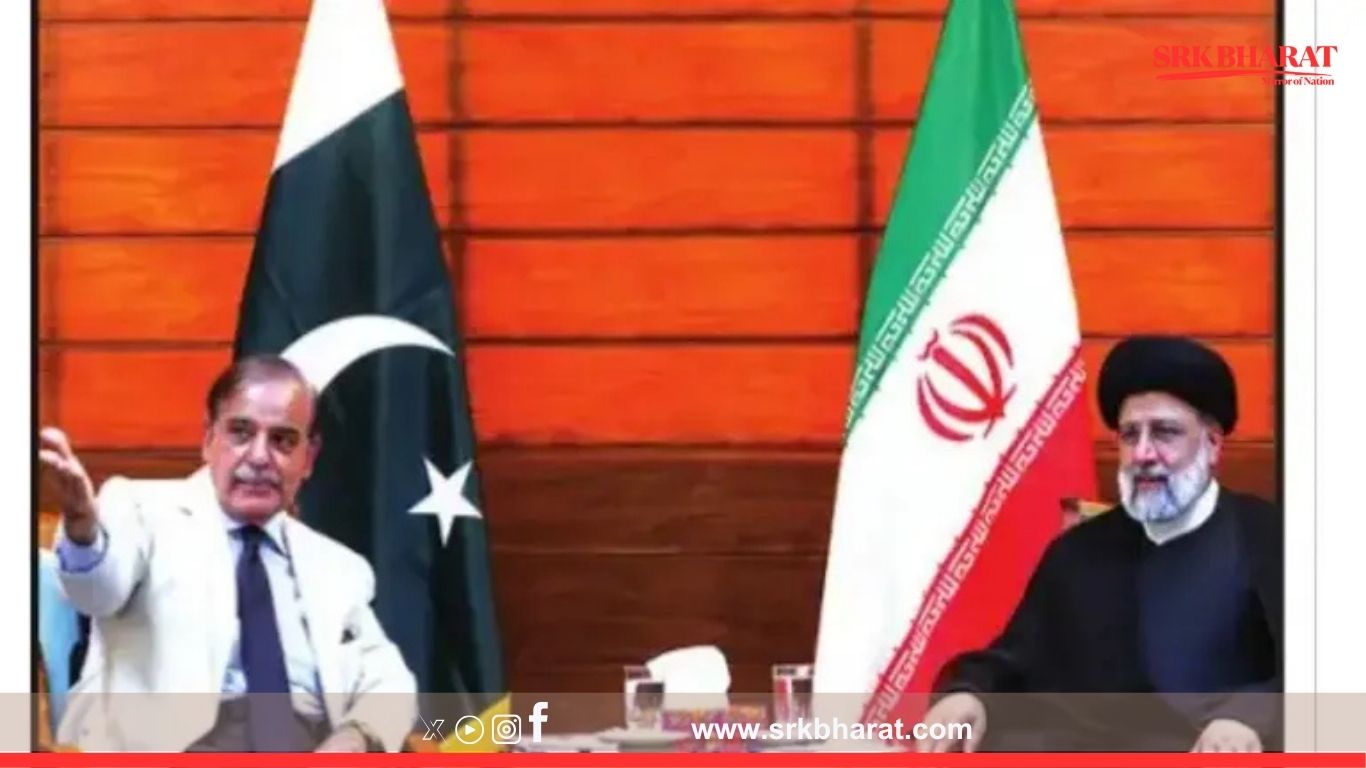
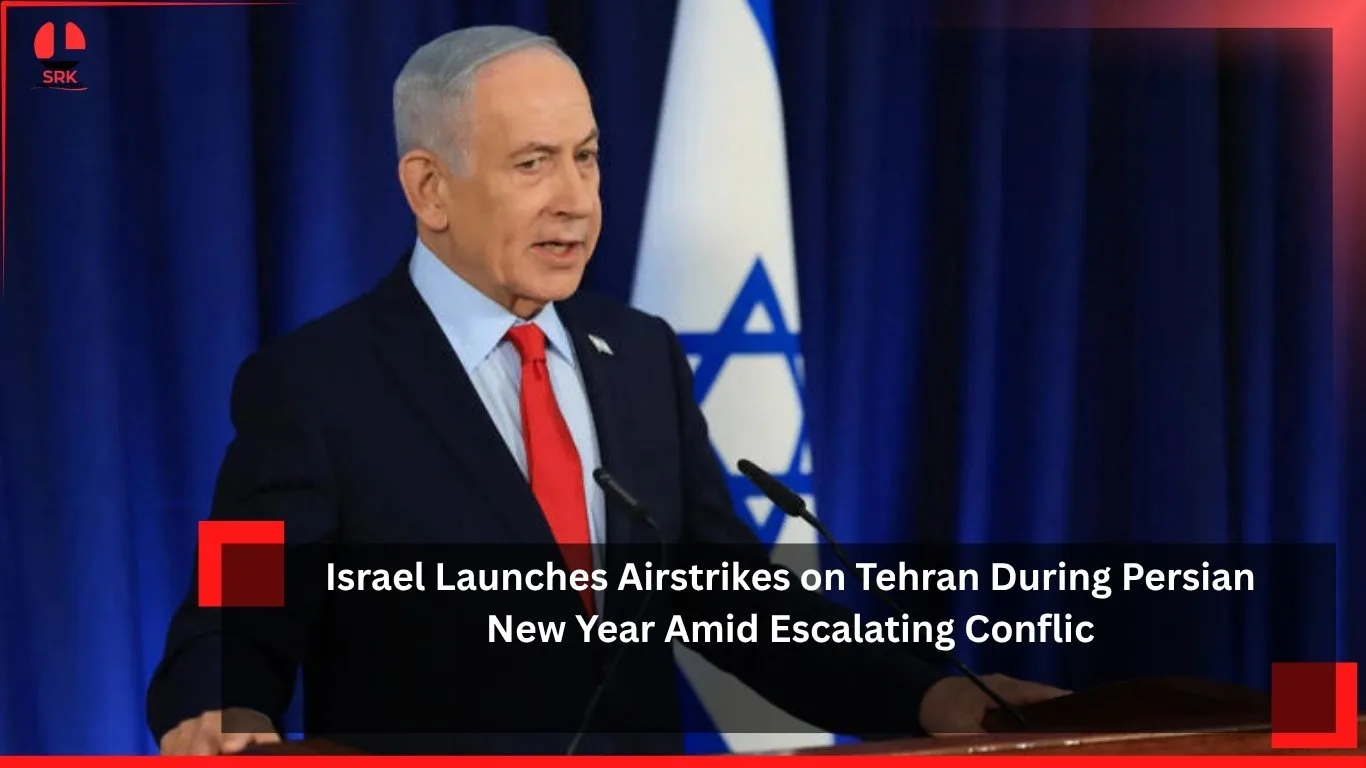
As Iran reels from Israeli airstrikes and mounting internal unrest, Pakistan appears to be maneuvering diplomatically and militarily to extract strategic advantages—while publicly expressing solidarity with Tehran.
According to analysts, Pakistan’s civilian leadership is echoing Islamic unity rhetoric, but the real power brokers—the military establishment led by Field Marshal Syed Asim Munir—are quietly engaging with Western powers, particularly the United States.
🕊️ Public Solidarity, Private Strategy
While Prime Minister Shehbaz Sharif and Foreign Minister Ishaq Dar have voiced support for Iran, Munir’s recent closed-door meeting with US President Donald Trump at the White House has raised eyebrows. The visit coincided with Washington’s deliberations on joining Israel in targeting Iran’s nuclear infrastructure.
“Pakistan’s generals are playing both sides—projecting Muslim solidarity while cutting deals with the West,” noted a senior analyst in New Delhi.
🔍 Echoes of the Cold War
Observers have drawn parallels between Munir’s visit and the Reagan-era support for Afghan Mujahideen, suggesting that Pakistan could once again become a proxy player in a larger geopolitical chessboard—this time against Iran.
🧭 Regional Realignment
Despite historical tensions, Pakistan and Iran share a 900-km border and face common threats from Baloch separatists and transnational militant groups. However, Pakistan’s pivot toward the US and Gulf allies may strain its already fragile ties with Tehran.
⚠️ Risks of Overreach
Experts warn that any perceived betrayal of Iran could backfire, especially if Tehran’s regime collapses or retaliates through proxy networks. Additionally, sectarian tensions and insurgency in Balochistan could intensify, destabilizing Pakistan’s western frontier.
Stay tuned for updates on South Asia’s evolving strategic landscape.
карниз моторизованный http://www.karniz-elektroprivodom.ru .