

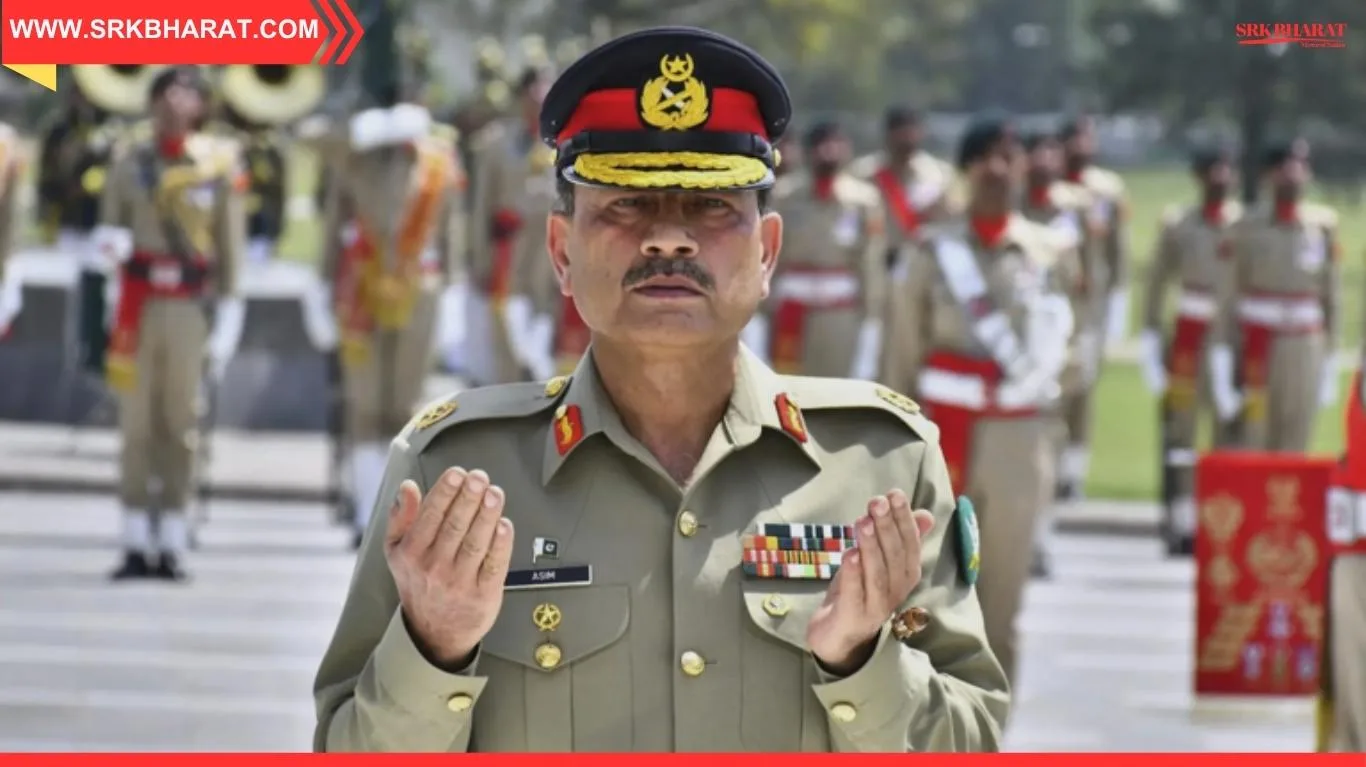
In a move that has sparked widespread debate across political and legal circles, Pakistan has granted lifetime immunity to its sitting President and the current Chief of Army Staff (COAS). The decision, passed through a special ordinance and backed by parliamentary approval, effectively shields both offices from prosecution in civil and criminal cases during and after their tenure.
This development is being viewed as one of the most significant constitutional changes in recent years, raising questions about accountability, separation of powers, and the future of democratic governance in Pakistan.
What Lifetime Immunity Means
Lifetime immunity ensures that the President and the Army Chief cannot be prosecuted, investigated, or summoned before any court for actions taken during their tenure or after retirement. This protection covers:
- Civil cases including property disputes and contractual obligations.
- Criminal cases including corruption, abuse of power, or human rights violations.
- Political accountability shielding them from parliamentary inquiries.
Key Highlights of the Ordinance
| Provision | Details |
|---|---|
| Scope | Applies to current President and Army Chief |
| Duration | Lifetime, even after retirement |
| Coverage | Civil, criminal, and political cases |
| Approval | Passed through special ordinance, endorsed by Parliament |
| Objective | Claimed to ensure stability and continuity of leadership |
Political Reactions
- Government’s Position: Officials argue that immunity is necessary to protect national leadership from politically motivated cases and ensure continuity in governance.
- Opposition’s Criticism: Opposition parties have condemned the move, calling it unconstitutional and a blow to democratic accountability.
- Civil Society Concerns: Lawyers, activists, and academics warn that immunity undermines the principle of equality before law.
Historical Context
Pakistan has a long history of military influence in politics. Army chiefs have often played decisive roles in governance, either directly through coups or indirectly through policy influence. Presidents, too, have enjoyed constitutional protections, but lifetime immunity marks a new precedent.
| Period | Leader | Protection Status |
|---|---|---|
| 1970s | Gen Zia-ul-Haq | Martial law powers |
| 1999–2008 | Gen Pervez Musharraf | Military-backed immunity |
| 2025 | Current President & Army Chief | Lifetime immunity granted |
Legal and Constitutional Implications
Legal experts argue that lifetime immunity contradicts the principle of accountability enshrined in Pakistan’s Constitution. Critics highlight:
- Violation of equality before law: Ordinary citizens remain subject to prosecution.
- Weakening of judiciary: Courts lose authority to hold top offices accountable.
- Potential misuse of power: Immunity could embolden leaders to act without fear of consequences.
Impact on Governance
The ordinance is expected to have far-reaching consequences:
- Strengthening military influence: Army Chief’s immunity consolidates military’s role in politics.
- Weakening democratic institutions: Parliament and judiciary lose oversight powers.
- Public trust deficit: Citizens may perceive governance as elitist and unaccountable.
Pivot Table: Stakeholder Perspectives
| Stakeholder | Position | Concerns |
|---|---|---|
| Government | Supports immunity | Claims protection from political vendetta |
| Opposition | Strongly opposes | Calls it unconstitutional |
| Judiciary | Divided | Fear of weakened authority |
| Civil Society | Critical | Warns of erosion of democracy |
| Military | Supports | Sees it as recognition of role in stability |
International Reactions
Global observers have expressed concern over Pakistan’s decision. Western democracies emphasize accountability as a cornerstone of governance, while regional powers are watching closely to assess the impact on Pakistan’s stability.
Possible Future Scenarios
- Judicial Challenge: Courts may be petitioned to strike down the ordinance.
- Political Backlash: Opposition could mobilize protests and campaigns against immunity.
- Institutional Weakening: Long-term erosion of democratic institutions may occur.
- Public Discontent: Citizens may lose faith in governance, leading to unrest.
Conclusion
Pakistan’s decision to grant lifetime immunity to its President and current Army Chief marks a turning point in its political and constitutional journey. While the government defends the move as necessary for stability, critics argue it undermines democracy, accountability, and the rule of law.
The coming months will reveal whether this ordinance withstands judicial scrutiny and political backlash, or whether it becomes another chapter in Pakistan’s complex history of civil-military relations.
Disclaimer: This article is based on publicly available reports and political analysis. Readers are advised to follow official government notifications and judicial updates for verified information.
I don’t think the title of your article matches the content lol. Just kidding, mainly because I had some doubts after reading the article. https://accounts.binance.info/register-person?ref=IXBIAFVY
Can you be more specific about the content of your article? After reading it, I still have some doubts. Hope you can help me.