


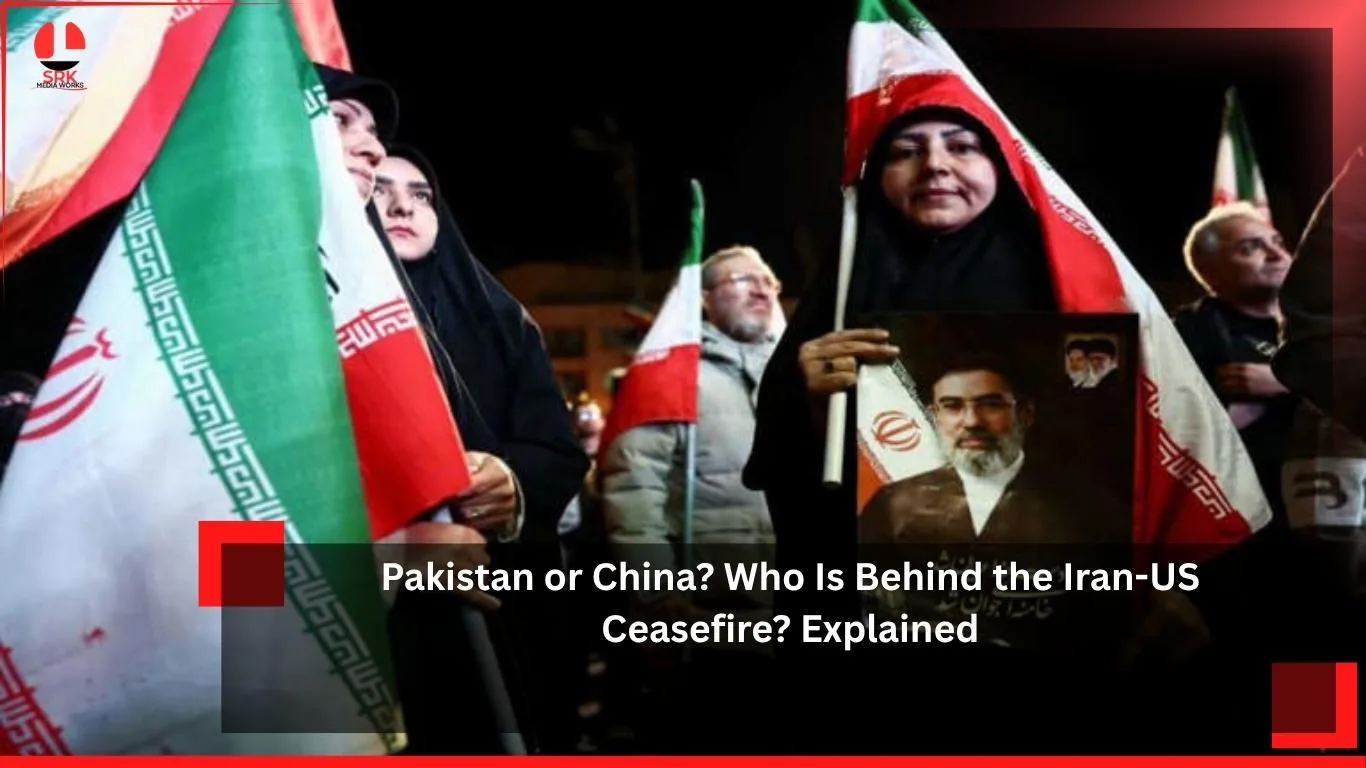
The recent Iran-US ceasefire has sparked intense debate across global diplomatic circles, with speculation centering on whether Pakistan or China played the decisive role in brokering the truce. While both nations have historically maintained strong ties with Tehran and Washington in different capacities, the ceasefire reflects a complex interplay of regional diplomacy, strategic interests, and global power dynamics. Understanding who truly influenced the outcome requires examining the roles of Pakistan and China separately, as well as their overlapping interests.
Pakistan’s Visible Mediation Role
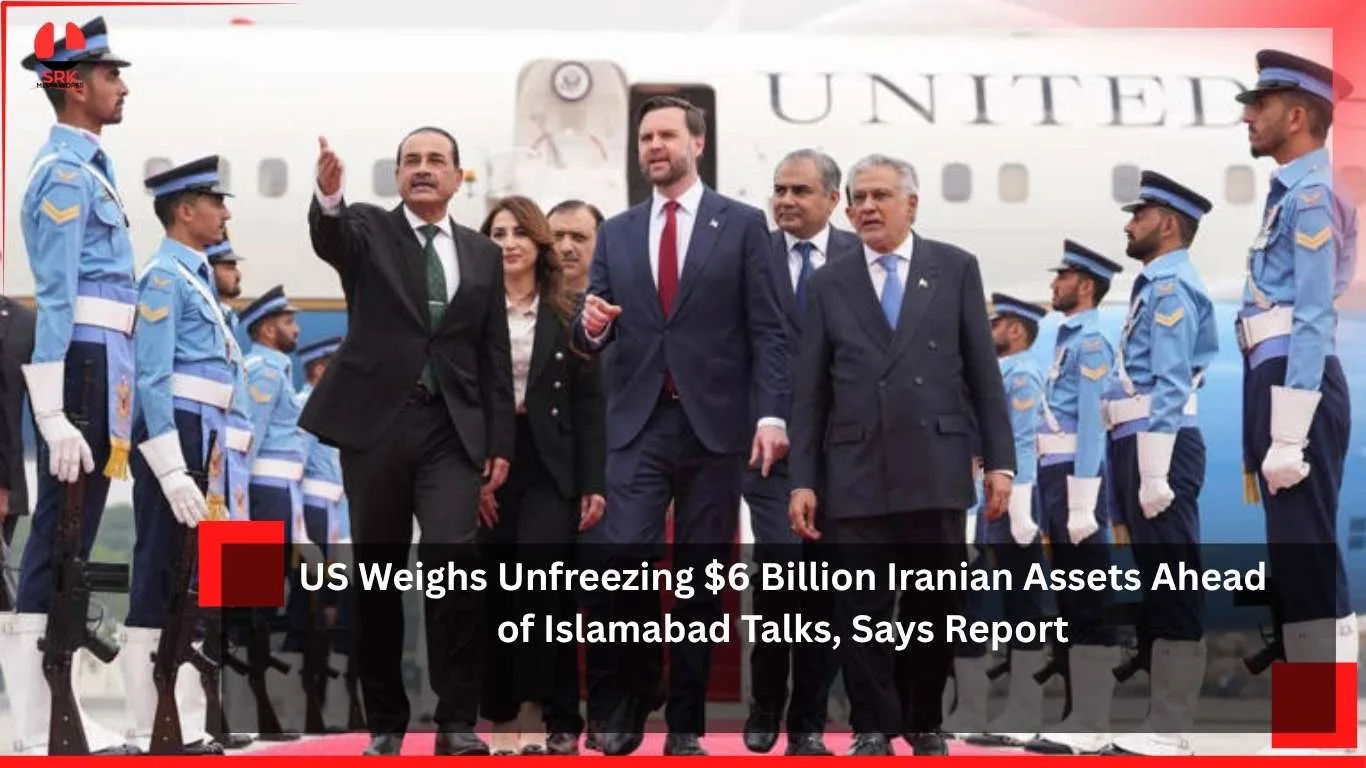
Pakistan has long positioned itself as a mediator in Middle Eastern conflicts, leveraging its unique geographic and cultural ties. In the case of the Iran-US ceasefire, Islamabad’s role appears more direct and visible.
Key Contributions:
- Backchannel Diplomacy: Pakistani officials reportedly engaged in urgent talks with both Washington and Tehran to de-escalate tensions.
- Military-to-Military Contacts: Pakistan’s army leadership maintains communication channels with both US and Iranian counterparts, enabling trust-building.
- Regional Stability Interests: As a neighbor to Iran and a close ally of Saudi Arabia, Pakistan has a vested interest in preventing escalation.
Pakistan’s mediation reflects its desire to balance relations with both the US and Iran while safeguarding its own national security.
China’s Behind-the-Scenes Influence
China’s role in the ceasefire is less visible but equally significant. As Iran’s largest trading partner and a global power with growing influence in the Middle East, Beijing has the leverage to encourage Tehran toward negotiation.
Key Contributions:
- Economic Leverage: China’s investments in Iran, including energy and infrastructure projects, give it influence over Tehran’s decision-making.
- Strategic Interests: Stability in the Middle East ensures uninterrupted energy supplies for China’s economy.
- Diplomatic Pressure: Beijing has quietly urged Iran to avoid escalation, framing peace as beneficial for long-term strategic partnerships.
China’s involvement reflects its broader strategy of positioning itself as a global peace broker while countering US dominance.
Comparative Analysis: Pakistan vs. China
| Dimension | Pakistan’s Role | China’s Role |
|---|---|---|
| Visibility | Direct mediation, public diplomacy | Behind-the-scenes influence |
| Leverage | Cultural ties, military contacts | Economic power, strategic investments |
| Motivation | Regional stability, balancing alliances | Energy security, global influence |
| Outcome Impact | Immediate de-escalation | Long-term strategic pressure |
Pivot Analysis: Who Holds the Key?
| Factor | Pakistan’s Contribution | China’s Contribution |
|---|---|---|
| Ceasefire Initiation | Urgent backchannel talks | Diplomatic encouragement |
| Sustainability | Regional trust-building | Economic incentives |
| Global Perception | Seen as mediator | Seen as influencer |
| Future Role | Continued military diplomacy | Expanding economic footprint |
This analysis suggests Pakistan was the visible mediator, while China acted as the silent influencer ensuring Tehran’s cooperation.
Regional Reactions
- United States: Welcomed Pakistan’s mediation but remains cautious of China’s growing influence.
- Iran: Appreciated China’s economic support while acknowledging Pakistan’s diplomatic efforts.
- Saudi Arabia: Supports Pakistan’s role, wary of China’s closeness to Iran.
- Europe: Encourages both Pakistan and China to sustain peace efforts.
Why Both Roles Matter
The ceasefire is not the result of a single nation’s effort but a dual-track diplomacy:
- Pakistan provided the immediate diplomatic bridge.
- China ensured long-term incentives for Iran to comply.
Together, they created conditions for de-escalation, highlighting how regional and global powers can complement each other in conflict resolution.
Future Outlook
The Iran-US ceasefire may set a precedent for future diplomacy:
- Pakistan: Likely to continue as a visible mediator in regional conflicts.
- China: Expected to expand its behind-the-scenes influence through economic and strategic partnerships.
- US-Iran Relations: The ceasefire may open pathways for broader negotiations, though tensions remain.
Conclusion
The question of whether Pakistan or China is behind the Iran-US ceasefire does not have a simple answer. Pakistan played the visible role of mediator, engaging in urgent diplomacy to prevent escalation. China, meanwhile, acted as the silent influencer, leveraging its economic ties to encourage Tehran toward peace. The ceasefire reflects a shared effort, with Pakistan in the spotlight and China in the shadows, both shaping the outcome in their own ways.
Disclaimer
This article is an analytical overview based on geopolitical assessments and publicly available information. It does not endorse or criticize any nation or political leader. The content is intended for informational and educational purposes only, and readers should consider multiple perspectives before forming conclusions.