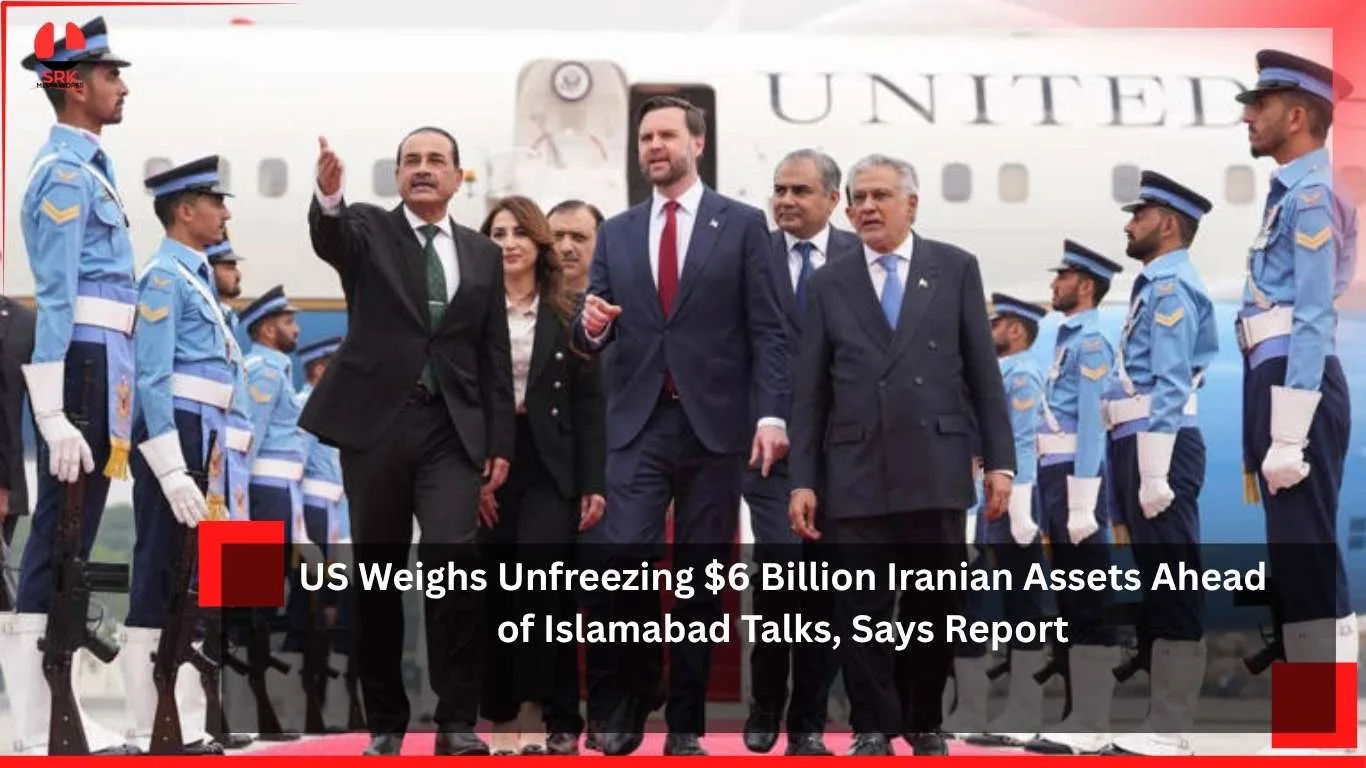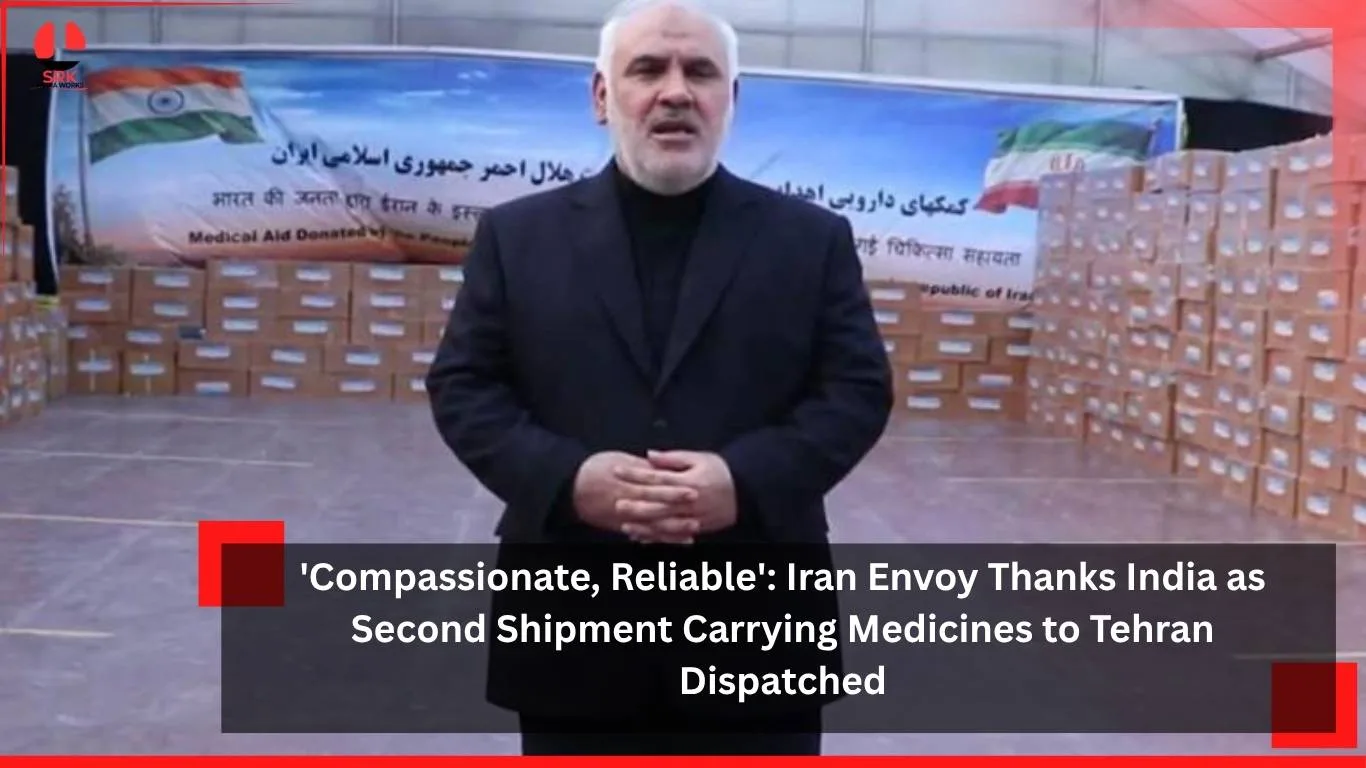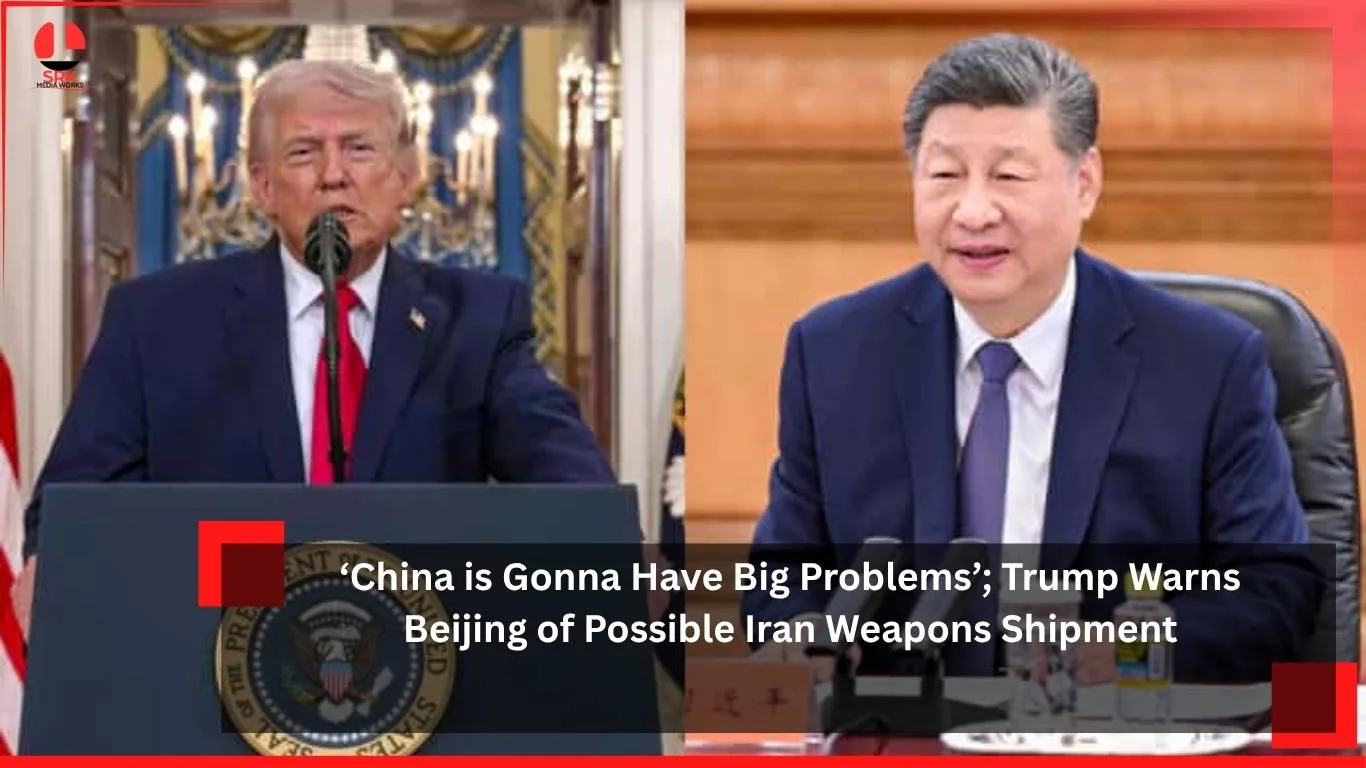



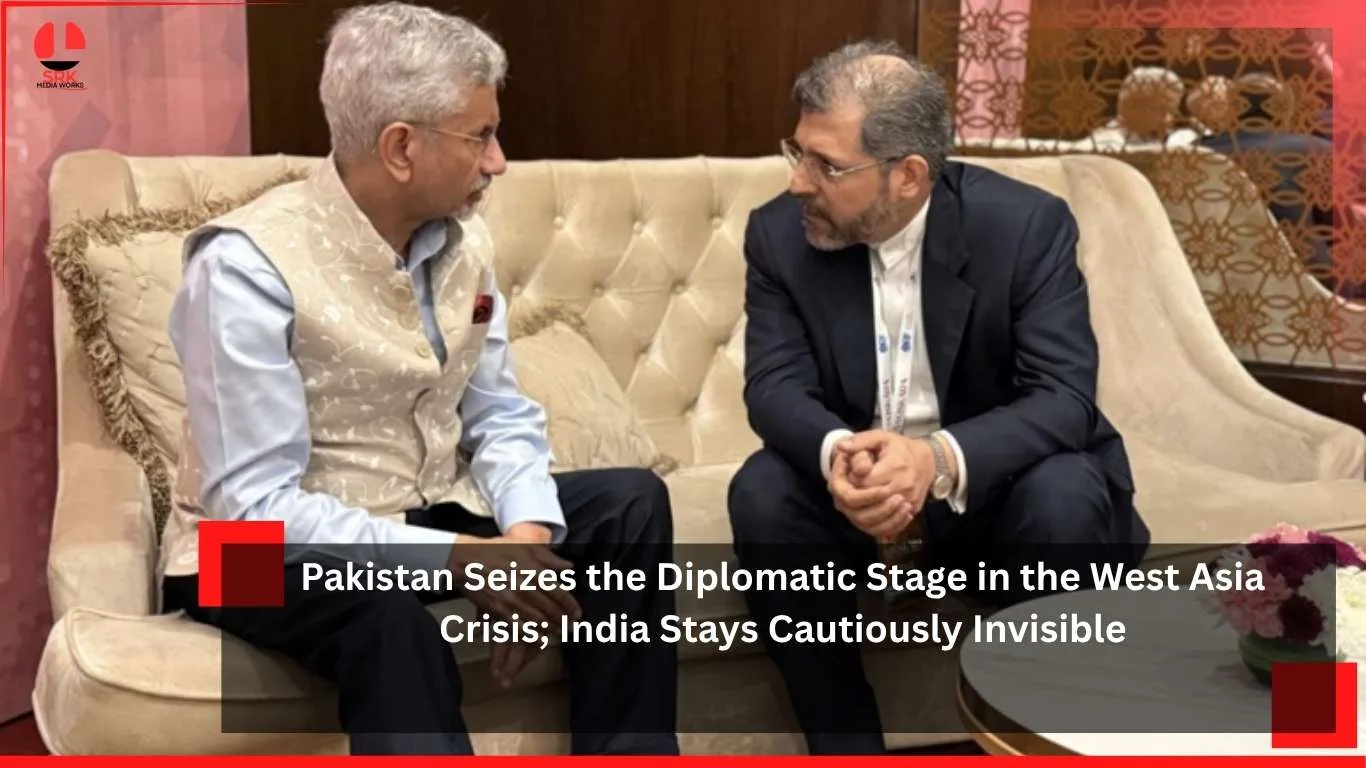
Pakistan has stepped into the spotlight during the ongoing West Asia crisis, positioning itself as a vocal diplomatic player while India maintains a cautious silence. Islamabad’s assertive engagement has drawn attention from regional and global observers, highlighting contrasting approaches by two South Asian neighbors with significant stakes in the region.
Pakistan’s Diplomatic Maneuvers
Pakistan has actively engaged with regional leaders, issuing statements, convening meetings, and offering to mediate in the crisis. Its foreign ministry has emphasized solidarity with affected nations, projecting Pakistan as a responsible stakeholder in West Asia.
Key elements of Pakistan’s diplomatic push include:
- Publicly condemning violence and instability in the region.
- Offering mediation between conflicting parties.
- Strengthening ties with Gulf nations through high-level visits.
- Leveraging its historical and religious connections to gain credibility.
India’s Cautious Approach
In contrast, India has chosen to remain largely invisible in the diplomatic fray. New Delhi’s strategy appears to prioritize caution, balancing its economic interests in West Asia with its broader geopolitical alignments.
India’s silence is interpreted as a deliberate move to avoid entanglement in volatile disputes while safeguarding its energy imports and diaspora interests.
Comparative Analysis of Diplomatic Strategies
| Country | Approach | Key Actions | Global Perception |
|---|---|---|---|
| Pakistan | Assertive, vocal | Mediation offers, public statements | Seen as proactive |
| India | Cautious, silent | Limited engagement, focus on economic ties | Seen as pragmatic but passive |
| Gulf Nations | Defensive | Security measures, alliance building | Seeking stability |
| Global Powers | Strategic | Monitoring, selective involvement | Balancing interests |
This comparison highlights how Pakistan’s assertiveness contrasts with India’s restraint, shaping perceptions of both nations.
Pivot Analysis: Diplomatic Stage in West Asia
| Dimension | Pakistan’s Role | India’s Role | Implications |
|---|---|---|---|
| Visibility | High | Low | Pakistan gains spotlight |
| Risk Exposure | Elevated | Minimal | India avoids entanglement |
| Regional Influence | Expanding | Stable but muted | Pakistan may gain leverage |
| Global Perception | Active mediator | Silent observer | Divergent reputations |
The pivot analysis shows how Pakistan’s visibility could enhance its influence, while India’s caution preserves stability but risks being perceived as disengaged.
Historical Context
Pakistan has often sought to play a role in West Asia, leveraging religious and cultural ties. India, meanwhile, has traditionally focused on economic and diaspora interests, avoiding overt political involvement. The current crisis has amplified these differences.
Public and Media Reaction
In Pakistan, media coverage has praised the government’s proactive diplomacy. In India, commentators have debated whether silence is a sign of prudence or missed opportunity. Global observers note the contrasting strategies as reflective of each nation’s broader foreign policy priorities.
Strategic Implications
- For Pakistan: Increased visibility may strengthen ties with Gulf nations but also expose it to risks if mediation fails.
- For India: Silence preserves economic interests but may limit its influence in shaping outcomes.
- For the Region: Divergent approaches by South Asian powers add complexity to the diplomatic landscape.
Possible Outcomes
- Pakistan Gains Influence: Assertive diplomacy enhances its role in West Asia.
- India Preserves Stability: Caution ensures economic and diaspora interests remain secure.
- Shared Engagement: Both nations eventually contribute to regional stability in complementary ways.
- Global Mediation: Larger powers overshadow regional efforts, limiting both Pakistan and India’s roles.
Conclusion
Pakistan’s assertive diplomacy in the West Asia crisis has placed it at the center of regional discussions, while India’s cautious invisibility reflects a strategy of restraint. The contrasting approaches underscore the different priorities of the two nations—Pakistan seeking visibility and influence, India prioritizing stability and economic interests. The outcome of these strategies will shape their roles in West Asia’s evolving geopolitical landscape.
Disclaimer: This article is based on reported developments and analytical perspectives. It does not endorse any political party or government. The content is intended for informational purposes only, highlighting diplomatic strategies and their potential implications. Readers should interpret the situation within the broader framework of international relations.