



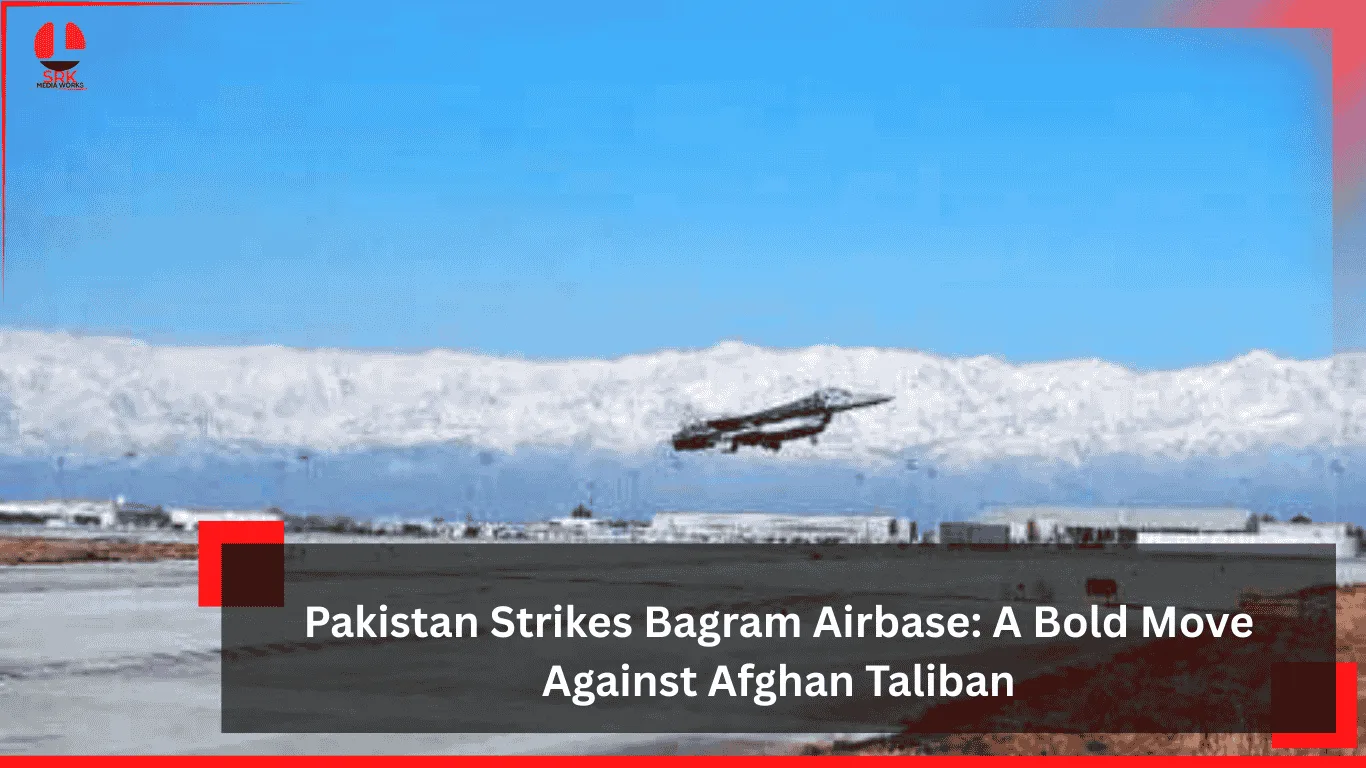
In a dramatic escalation of regional tensions, Pakistan has reportedly carried out strikes on the Bagram Airbase, targeting Afghan Taliban positions. This bold move underscores Islamabad’s shifting military strategy and signals its intent to directly confront cross-border threats. The development has sparked intense debate across South Asia and beyond, raising questions about regional stability, diplomatic fallout, and the future of Pakistan-Afghanistan relations.
Strategic Importance of the Strike
- Direct Confrontation: By striking Bagram, Pakistan has demonstrated its willingness to take military action beyond its borders.
- Message to Taliban: The move sends a clear signal to the Afghan Taliban that Pakistan will not tolerate cross-border militancy.
- Regional Security: The strike highlights Pakistan’s concerns about growing instability in Afghanistan and its spillover effects.
Political and Military Impact
- Domestic Politics: The strike may bolster Pakistan’s government domestically, projecting strength and decisiveness.
- Afghan Relations: Tensions between Islamabad and Kabul are expected to rise, complicating diplomatic channels.
- Global Reaction: International observers are closely monitoring the situation, with concerns over escalation and humanitarian impact.
Comparative Analysis of Regional Military Actions
| Country/Actor | Recent Military Action | Strategic Focus | Impact on Relations |
|---|---|---|---|
| Pakistan – Bagram Strike | Targeted Taliban bases | Counter militancy, deterrence | Strained Afghan ties |
| Afghanistan – Taliban | Cross-border activities | Expansion of influence | Heightened tensions |
| India – Border Security | Strengthened patrols | Defensive posture | Regional vigilance |
| U.S. – Past Operations | Withdrawal from Afghanistan | Focus on global priorities | Reduced regional presence |
Business Impact Projection in Geopolitical Terms
| Factor | Short-Term Impact | Long-Term Impact |
|---|---|---|
| Pakistan’s Security | Immediate show of strength | Potential prolonged conflict |
| Afghan Stability | Increased volatility | Possible diplomatic isolation |
| Regional Balance | Heightened tensions | Reconfigured alliances |
| Global Positioning | Pakistan seen as assertive | Risk of strained global ties |
Context of Pakistan-Afghanistan Relations
- Historic Tensions: Relations between Pakistan and Afghanistan have long been marked by mistrust and border disputes.
- Taliban Factor: The rise of the Taliban in Afghanistan has complicated Pakistan’s security calculus.
- Cross-Border Militancy: Pakistan has repeatedly accused Afghan-based militants of launching attacks across the border.
Expert Insights
Analysts suggest that Pakistan’s strike on Bagram is both a tactical and symbolic move. It demonstrates Islamabad’s frustration with the Taliban’s inability—or unwillingness—to curb cross-border militancy. However, experts warn that such actions could escalate into a prolonged conflict, destabilizing the region further.
Future Outlook
- Diplomatic Fallout: Afghanistan is likely to condemn the strike, potentially leading to strained bilateral relations.
- Regional Security: Neighboring countries, including India and Iran, will closely monitor developments for potential spillover effects.
- Global Response: International powers may call for restraint, urging dialogue over military escalation.
Conclusion
Pakistan’s strike on Bagram Airbase marks a turning point in its approach toward the Afghan Taliban. While the move projects strength and signals zero tolerance for militancy, it also risks escalating tensions in an already volatile region. The coming weeks will be crucial in determining whether this bold gamble leads to greater security or deeper instability across South Asia.
Disclaimer
This article is intended for informational purposes only and should not be construed as endorsement of military actions or political positions. Geopolitical developments are subject to rapid change, and readers are encouraged to follow official updates and credible sources for the latest information.