

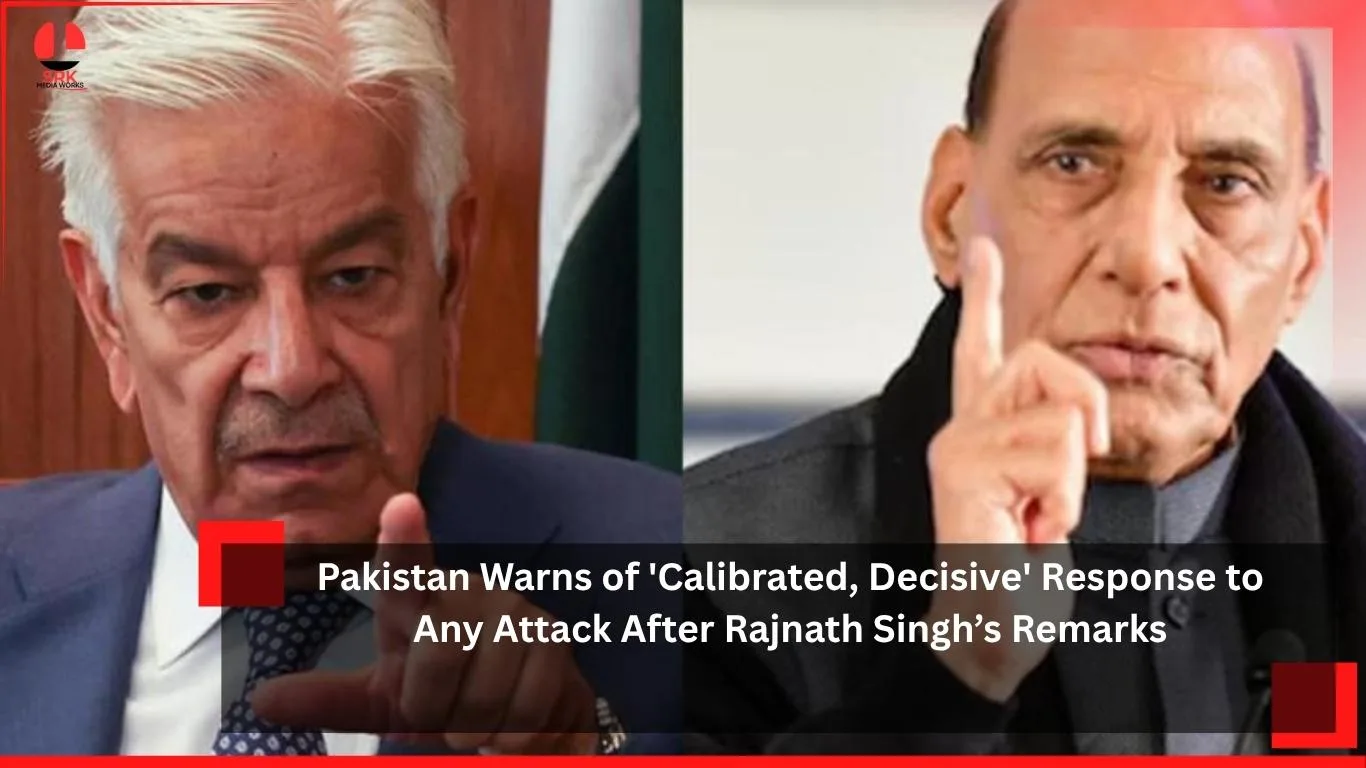
Pakistan has issued a stern warning of a “calibrated and decisive” response to any potential attack, following recent remarks by Indian Defence Minister Rajnath Singh. The statement, delivered by Pakistan’s Foreign Office, underscores the heightened tensions between the two nuclear-armed neighbors and signals Islamabad’s intent to respond firmly to any perceived aggression. The development has drawn global attention, with analysts closely monitoring the situation for signs of escalation.
Background of the Tensions
The latest exchange comes amid longstanding disputes between India and Pakistan, particularly over border security and regional stability. Rajnath Singh’s comments, interpreted in Islamabad as provocative, prompted Pakistan to reiterate its stance that any hostile action would be met with a strong and calculated response. The warning reflects Pakistan’s effort to project deterrence while emphasizing its readiness for defense.
Pakistan’s Official Position
- Calibrated Response: Pakistan stressed that its reaction would be measured but decisive, aimed at safeguarding sovereignty.
- Diplomatic Messaging: The statement was intended to deter aggression while signaling readiness for dialogue under peaceful conditions.
- Military Preparedness: Pakistan’s armed forces remain on alert, with emphasis on strategic deterrence.
India’s Perspective
India has maintained that its defense policies are focused on national security and countering terrorism. Rajnath Singh’s remarks were framed within the context of India’s broader defense strategy, which emphasizes preparedness against cross-border threats. New Delhi has not issued a direct response to Pakistan’s warning but continues to highlight its commitment to regional stability.
Comparative Analysis of India-Pakistan Exchanges
| Year | Trigger Event | Pakistan’s Response | India’s Position |
|---|---|---|---|
| 2024 | Border skirmishes | Warned of retaliation | Emphasized counter-terrorism |
| 2025 | Airspace violations | Threatened calibrated action | Asserted sovereignty |
| 2026 | Rajnath Singh’s remarks | Decisive response warning | Focused on defense readiness |
This comparative view shows how both nations have consistently responded to perceived provocations with strong rhetoric.
Sector-Wise Impact of Rising Tensions
| Sector | Impact Level | Key Issues |
|---|---|---|
| Security | Very High | Military preparedness, border vigilance |
| Diplomacy | High | Strained bilateral relations |
| Trade & Commerce | Medium | Potential disruptions in cross-border trade |
| Public Perception | High | Heightened fear and nationalism |
| Regional Stability | Very High | Risk of escalation affecting South Asia |
Analytical Pivot
| Year | Regional Stability Index | India-Pakistan Relations | Global Concern |
|---|---|---|---|
| 2024 | 65/100 | Tense but manageable | Moderate |
| 2025 | 60/100 | Heightened tensions | High |
| 2026 | 55/100 | Escalating rhetoric | Very High |
This pivot analysis highlights the declining stability in South Asia as rhetoric intensifies between India and Pakistan.
International Reactions
- United Nations: Called for restraint and dialogue to prevent escalation.
- United States: Urged both nations to prioritize diplomacy over confrontation.
- Regional Neighbors: Countries in South Asia expressed concern about potential spillover effects.
- Global Analysts: Warned that continued escalation could destabilize energy markets and regional trade.
Possible Scenarios
- Escalation: Continued rhetoric could lead to military skirmishes along the border.
- Diplomatic Engagement: International mediation may encourage dialogue and de-escalation.
- Status Quo: Both nations may maintain strong rhetoric without direct confrontation.
Future Outlook
Experts predict that the coming months will be critical in determining whether tensions escalate or ease. Pakistan’s warning of a calibrated, decisive response reflects its intent to deter aggression, while India’s defense posture emphasizes readiness. The balance between deterrence and diplomacy will shape the trajectory of relations in South Asia.
Conclusion
Pakistan’s warning following Rajnath Singh’s remarks underscores the fragile state of India-Pakistan relations. While both nations emphasize defense and deterrence, the risk of miscalculation remains high. The global community continues to urge restraint, highlighting the importance of dialogue in preventing escalation and ensuring regional stability.
Disclaimer
This article is intended for informational purposes only. The content reflects current geopolitical developments and analysis based on publicly available information. Readers should not interpret this as official policy guidance or military advice. While accuracy has been prioritized, future developments may alter the situation. Independent verification is recommended before drawing conclusions.