





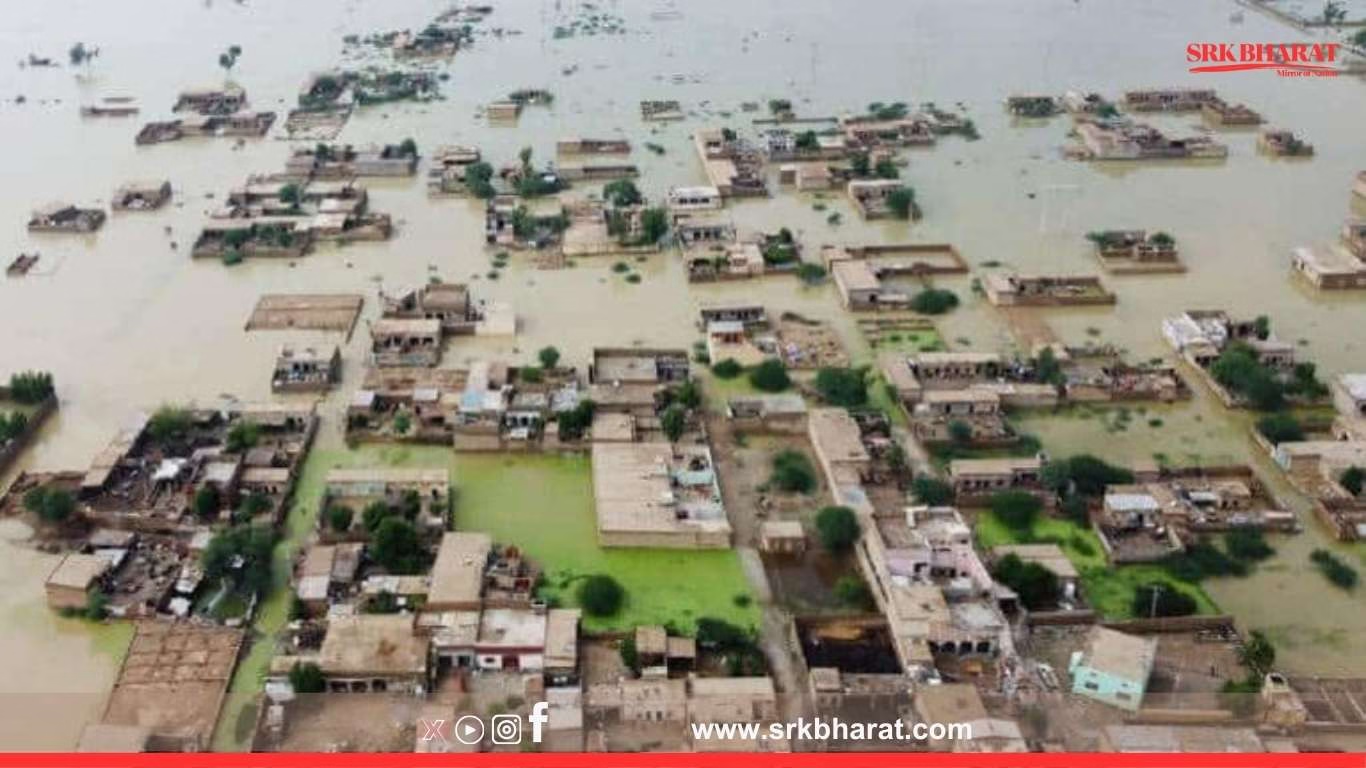
Pakistan’s eastern Punjab province, often referred to as the country’s breadbasket, is reeling under what officials are calling the worst flood in its recorded history. With water levels in the Sutlej, Chenab, and Ravi rivers rising to unprecedented heights, over two million people have been affected, thousands of villages submerged, and vast stretches of farmland destroyed.
The crisis, which began in late August 2025, has exposed the devastating intersection of climate change, fragile infrastructure, and cross-border water politics. Provincial minister Maryam Aurangzeb confirmed that this is the first time all three major rivers have simultaneously carried such dangerously high volumes of water.
🧭 Punjab Flood 2025: Key Impact Metrics
| Impact Area | Data as of August 31, 2025 | Notes |
|---|---|---|
| People Affected | Over 2 million | Includes displaced, injured, and stranded |
| Villages Submerged | 2,000+ | Across southern and eastern Punjab |
| Livestock Evacuated | 516,000 | Major blow to rural livelihoods |
| Human Casualties | 849 killed, 1,130 injured nationwide | Monsoon-related incidents since June |
| Rainfall Increase | +26.5% vs 2024 | Monsoon rainfall between July 1–Aug 27 |
| Relief Camps Established | 727 camps | Hosting over 6,000 displaced people |
| Medical Camps Active | 339 camps | Treated over 11,000 individuals |
The Pakistan Meteorological Department attributes the intensified monsoon to global warming, with heavier downpours and cloudbursts across the mountainous north and northwest.
🔍 Why This Flood Is Being Called the Worst in History
Officials and climate experts point to several unprecedented factors:
- Simultaneous flooding of three major rivers: Sutlej, Chenab, and Ravi breached historical levels, inundating low-lying districts.
- Cross-border water release from India: Pakistan’s Foreign Ministry is investigating what it calls “deliberate” water release from Indian dams, though New Delhi has not officially commented.
- Climate change-driven monsoon volatility: Rainfall patterns have become erratic, with flash floods and landslides increasing in frequency and intensity.
- Urban flooding and infrastructure collapse: Cities like Lahore and Multan saw six feet of water in residential areas, crippling transport and utilities.
📉 Agricultural Devastation: From Bumper to Bust
Punjab is Pakistan’s main wheat-producing region and a major contributor to rice, sugarcane, maize, cotton, and vegetables. The floods have wiped out standing crops, drowned livestock, and disrupted sowing cycles.
| Crop Type | Expected Output (Pre-Flood) | Post-Flood Forecast | Economic Impact |
|---|---|---|---|
| Rice | Bumper crop forecast | 40–50% loss | Prices may rise to ₹5,500 per 40kg |
| Cotton | Moderate yield | 60% loss | Threatens textile exports |
| Sugarcane | Stable | 30–40% loss | Supply chain disruption |
| Vegetables | High seasonal output | 50% loss | Local shortages, price spikes |
| Wheat (next cycle) | Sowing delayed | Risk of 20–30% delay | Threatens food security |
Farmers like Muhammad Amjad in Chiniot report losing 13 of their 15 acres to floodwaters. Exporters warn that Pakistan may lose competitiveness against India in rice markets due to rising domestic prices.
🔥 Humanitarian Crisis Unfolds
With over 760,000 people evacuated and thousands living in makeshift tents, the humanitarian toll is mounting. Relief camps are overcrowded, and stagnant floodwaters raise fears of waterborne disease outbreaks.
| Relief Metric | Status | Challenges |
|---|---|---|
| Shelter | Schools, police stations converted | Overcrowding, sanitation issues |
| Food Supply | Emergency rations distributed | Risk of shortages |
| Medical Aid | Mobile clinics deployed | Limited access to remote areas |
| Water & Sanitation | Stagnant water in camps | Cholera, dengue, and typhoid risks |
Pregnant women, children, and the elderly are among the most vulnerable. In one relief camp, 19-year-old Shumaila Riaz, seven months pregnant, said she had endured cramps for days without medical attention.
🧠 Economic Fallout and Inflation Risks
The floods come at a time when Pakistan’s economy was showing signs of recovery. Inflation had cooled to 4.1% in July, but analysts now expect August figures to rise to 5% or more due to food shortages and supply chain disruptions.
| Economic Indicator | Pre-Flood Status | Post-Flood Outlook |
|---|---|---|
| Inflation Rate | 4.1% (July 2025) | 5–6% (August forecast) |
| Food Inflation | Eased from 50% (2023) | Risk of renewed spike |
| Textile Exports | Stable | Threatened by cotton losses |
| Agricultural GDP Share | ~19% | Likely contraction |
The textile industry, which accounts for over half of Pakistan’s exports, is particularly vulnerable due to cotton damage and a 19% US tariff on Pakistani goods.
📦 Government Response and Relief Operations
The Pakistan Army, Civil Defense, and Rescue 1122 have been deployed across affected districts. Authorities have installed explosives at embankments near Multan to divert water if needed.
| Response Area | Action Taken | Status |
|---|---|---|
| Evacuation | Boats, forced relocations | Ongoing |
| Relief Camps | 727 camps operational | Over 6,000 people housed |
| Medical Aid | 339 camps active | 11,000+ treated |
| Infrastructure Protection | Embankment reinforcements | High alert in 12 districts |
Despite proactive evacuations, access to remote areas remains limited, and officials warn that the worst may not be over as monsoon rains continue through September.
📌 Conclusion
Pakistan’s Punjab flood of 2025 is not just a natural disaster—it’s a climate emergency, a humanitarian crisis, and a looming economic threat. With millions displaced, crops destroyed, and rivers breaching historical highs, the region faces a long road to recovery. As the rains persist, the country must brace for further challenges, from disease outbreaks to food shortages and inflation spikes.
The memory of 2022’s catastrophic floods still lingers, and officials fear history may repeat itself. For now, Pakistan’s breadbasket is drowning—and the ripple effects will be felt far beyond its borders.
—
Disclaimer: This article is based on publicly available news reports and official statements as of September 1, 2025. It is intended for informational purposes only and does not constitute climate, agricultural, or policy advice.


campaigncraft.click – Loved the layout today; clean, simple, and genuinely user-friendly overall.
leadcircuit.click – Navigation felt smooth, found everything quickly without any confusing steps.
netamplify.click – Content reads clearly, helpful examples made concepts easy to grasp.
netmatrix.click – Found practical insights today; sharing this article with colleagues later.
seoignite.click – Navigation felt smooth, found everything quickly without any confusing steps.
marketingboost.click – Loved the layout today; clean, simple, and genuinely user-friendly overall.
seosprint.click – Navigation felt smooth, found everything quickly without any confusing steps.
leadbuilder.click – Bookmarked this immediately, planning to revisit for updates and inspiration.
ranktactic.click – Color palette felt calming, nothing distracting, just focused, thoughtful design.
trafficninja.click – Overall, professional vibe here; trustworthy, polished, and pleasantly minimal throughout.
rankstrategy.click – Content reads clearly, helpful examples made concepts easy to grasp.
marketingninja.click – Appreciate the typography choices; comfortable spacing improved my reading experience.
ranksignal.click – Overall, professional vibe here; trustworthy, polished, and pleasantly minimal throughout.
trendfunnel.click – Bookmarked this immediately, planning to revisit for updates and inspiration.
adsfactory.click – Color palette felt calming, nothing distracting, just focused, thoughtful design.
launchly.click – Navigation felt smooth, found everything quickly without any confusing steps.
admark.click – Navigation felt smooth, found everything quickly without any confusing steps.