

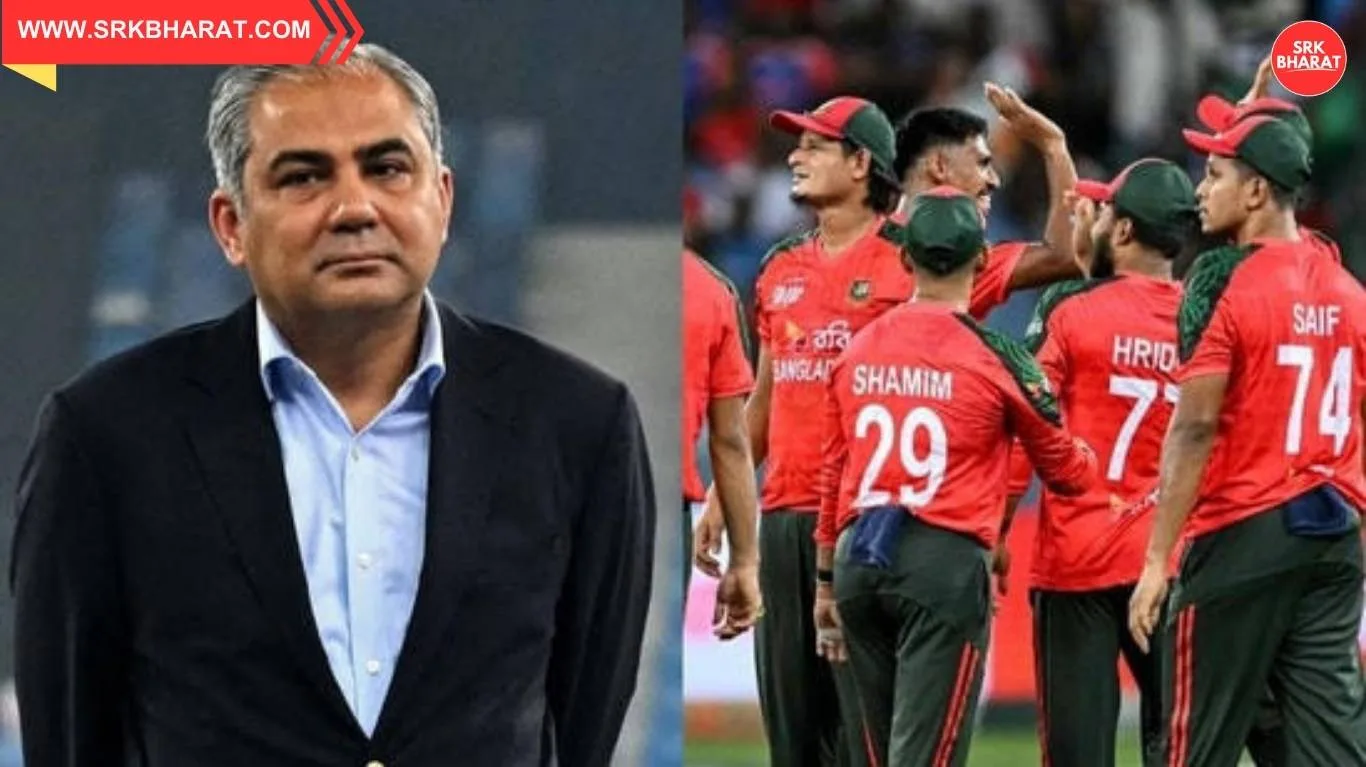
The Pakistan Cricket Board (PCB) has intensified its stance in the ongoing row with Bangladesh Cricket Board (BCB) over the expulsion of players, announcing that it will formally inform the International Cricket Council (ICC) about Pakistan’s decision to wear black armbands during the upcoming T20 World Cup. The symbolic protest is aimed at highlighting what PCB describes as unfair treatment and political interference in cricketing matters.
Background of the Controversy
- The dispute began after Bangladesh reportedly expelled certain Pakistani players from domestic tournaments, citing administrative and political reasons.
- PCB condemned the move, calling it discriminatory and damaging to cricket’s spirit of inclusivity.
- In response, Pakistan players are set to wear black armbands during the T20 World Cup as a mark of protest.
- PCB has confirmed that it will notify ICC formally, ensuring the governing body is aware of the symbolic gesture.
Key Highlights
| Indicator | Details |
|---|---|
| Governing Body | Pakistan Cricket Board (PCB) |
| Issue | Expulsion of Pakistani players by Bangladesh |
| Protest | Black armbands during T20 World Cup |
| ICC Role | To be formally informed by PCB |
| Broader Context | Cricket diplomacy, political tensions |
PCB’s Actions vs Potential Outcomes
| Factor | PCB’s Actions | Potential Outcomes | Implication |
|---|---|---|---|
| Protest Gesture | Black armbands | Global attention | Symbolic resistance |
| ICC Notification | Formal communication | ICC review | Possible mediation |
| Bangladesh Expulsion | Condemned | Continued dispute | Strained ties |
| Fan Sentiment | Support for protest | Mixed reactions | Emotional engagement |
| Long-Term Outlook | Escalation | Diplomatic intervention | Cricket diplomacy tested |
Why This Story Matters
- Cricket Diplomacy: Highlights how cricket often reflects broader political tensions.
- Global Attention: The protest will be visible on an international stage.
- ICC’s Role: Raises questions about how the governing body handles political disputes.
- Fan Engagement: Sparks debates among supporters across nations.
- Future Outlook: Could reshape Pakistan-Bangladesh cricket relations.
PCB’s Perspective
- PCB insists the expulsion of Pakistani players is unjust and politically motivated.
- Officials argue that cricket should remain free from political interference.
- The black armband protest is framed as a peaceful yet powerful statement.
Bangladesh’s Position
- BCB has defended its decision, citing internal administrative concerns.
- Officials deny political motives, but critics argue the move reflects strained bilateral ties.
- Bangladesh has yet to respond to PCB’s planned ICC notification.
Expert Opinions
- Cricket Analysts: Stress that symbolic protests often draw global attention but rarely resolve disputes.
- Legal Experts: Note that ICC may have limited jurisdiction in domestic administrative matters.
- Critics: Argue that politicizing cricket undermines its spirit.
- Supporters: Believe PCB’s protest is necessary to highlight unfair treatment.
Challenges Ahead
- ICC’s Response: Determining whether the governing body will intervene.
- Tournament Integrity: Ensuring the protest does not disrupt matches.
- Fan Reactions: Managing diverse opinions across nations.
- Diplomatic Sensitivity: Balancing cricket with broader political relations.
- Media Scrutiny: Handling global coverage of the controversy.
Opportunities
- Global Awareness: Drawing attention to cricket’s need for neutrality.
- Diplomatic Dialogue: Using ICC as a platform for mediation.
- Fan Solidarity: Garnering support for fair treatment in cricket.
- Policy Reform: Encouraging ICC to strengthen rules against political interference.
- Symbolic Legacy: Establishing black armbands as a peaceful protest symbol in cricket.
Broader Context
- Cricket has historically been influenced by political tensions between nations.
- Symbolic protests, such as wearing black armbands, have been used to highlight issues ranging from governance to social justice.
- The PCB’s move underscores the fragile balance between sportsmanship and politics.
- The controversy reflects the growing importance of cricket diplomacy in South Asia.
Sectoral Breakdown of Impact
| Sector | Impact | Strategic Importance |
|---|---|---|
| Cricket Governance | ICC involvement | Tournament integrity |
| Fan Engagement | Emotional reactions | Global viewership |
| Media | Intense coverage | Narrative shaping |
| Politics | Reflects bilateral tensions | Diplomatic implications |
| Sports Business | Sponsorship and revenue | Commercial stakes |
Media Coverage
- Headlines highlight PCB’s escalation of the Bangladesh expulsion row.
- Analysts debate the effectiveness of symbolic protests in cricket.
- Coverage emphasizes the ICC’s potential role in resolving disputes.
- The story resonates across sports, politics, and business platforms.
Conclusion
The PCB’s decision to escalate the Bangladesh expulsion row by informing the ICC of its planned black armband protest during the T20 World Cup underscores the intersection of sports and politics. While the gesture is symbolic, it carries significant weight on the global stage, drawing attention to issues of fairness, governance, and cricket diplomacy. The outcome will depend on ICC’s response and whether dialogue can ease tensions between the two boards.
Disclaimer
This article is intended for informational purposes only and does not constitute legal, political, or sports advice. Decisions, policies, and outcomes are subject to change based on evolving circumstances. Readers are encouraged to follow official updates for accurate information. The author and publisher are not responsible for any decisions made based on this article.