




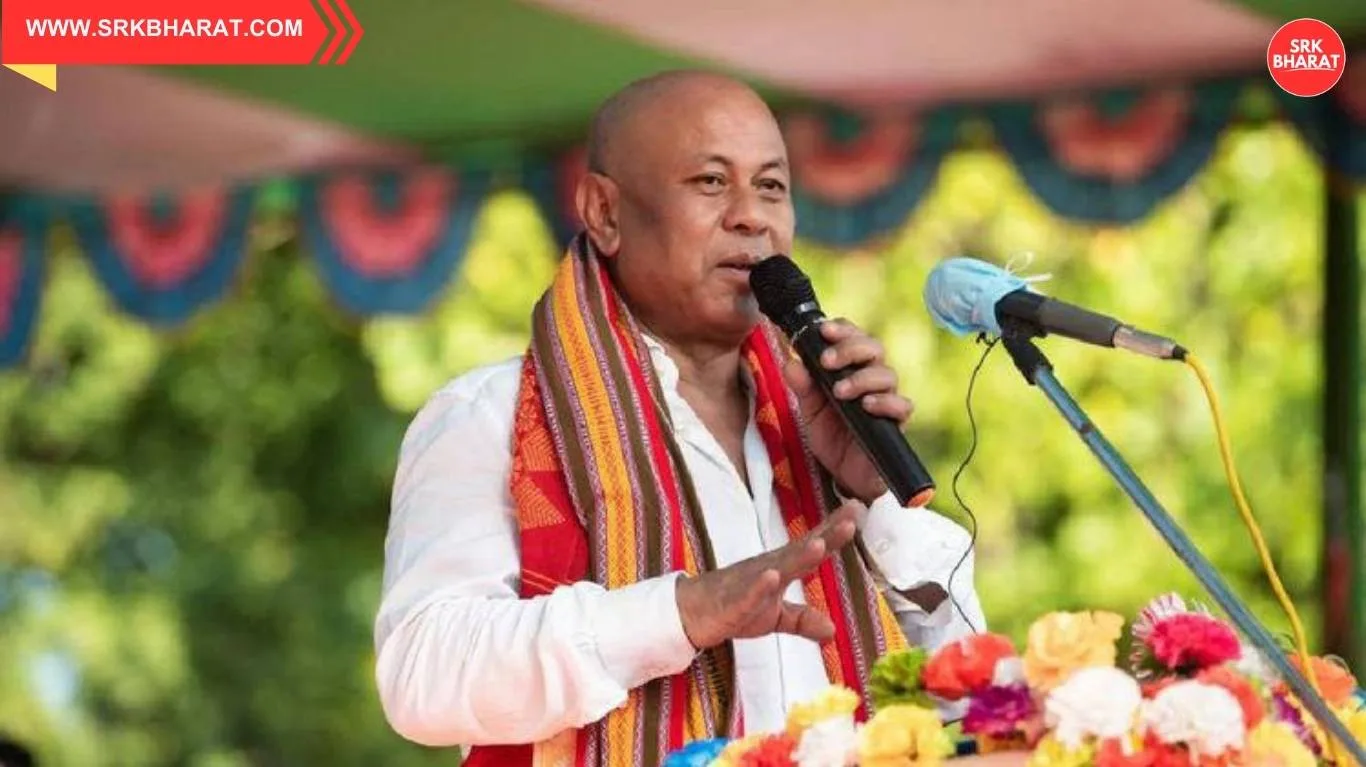
Senior Bodo leader Hagrama Mohilary has stated that the pending clauses of the Bodo Peace Accord will soon be taken up with the Central Government and the Assam Government. His remarks come at a crucial time when stakeholders in the Bodoland Territorial Region (BTR) are seeking clarity and implementation of commitments made under the historic accord signed in January 2020.
Background of the Bodo Peace Accord
- The Bodo Peace Accord was signed between the Government of India, the Government of Assam, and Bodo organizations to bring lasting peace to the region.
- The accord promised greater autonomy, development packages, and recognition of Bodo identity.
- While several provisions have been implemented, some clauses remain pending, including administrative, financial, and cultural commitments.
- Hagrama Mohilary emphasized that these pending clauses must be addressed to ensure trust and stability in the region.
Key Highlights
| Indicator | Details |
|---|---|
| Accord in Focus | Bodo Peace Accord (2020) |
| Leader Speaking | Hagrama Mohilary |
| Pending Clauses | Administrative, financial, cultural commitments |
| Governments Involved | Centre and Assam Government |
| Broader Context | Peace, autonomy, regional development |
Implemented vs Pending Clauses
| Factor | Implemented Clauses | Pending Clauses | Implication |
|---|---|---|---|
| Autonomy | Formation of BTR council | Administrative reforms | Governance efficiency |
| Development | Initial funds released | Full financial package | Infrastructure growth |
| Cultural Recognition | Bodo language promoted | Pending cultural institutions | Identity preservation |
| Political Representation | Inclusion in council | Further representation demands | Political stability |
| Long-Term Outlook | Peace maintained | Need for full implementation | Sustainable harmony |
Why This Story Matters
- Peace and Stability: The accord is central to maintaining peace in Assam’s Bodo region.
- Trust Building: Full implementation strengthens trust between communities and governments.
- Development Goals: Pending clauses include financial packages crucial for infrastructure.
- Cultural Identity: Recognition of Bodo language and institutions is vital for identity preservation.
- Future Outlook: Sets the tone for long-term stability in Assam’s multi-ethnic landscape.
Hagrama Mohilary’s Perspective
- Mohilary stressed that the Bodo people expect the Centre and Assam Government to honor commitments.
- He highlighted that peace in the region depends on timely implementation.
- Mohilary urged for dialogue and cooperation to resolve pending issues.
Expert Opinions
- Political Analysts: Note that incomplete implementation could lead to dissatisfaction.
- Economists: Stress the importance of financial packages for regional development.
- Cultural Leaders: Emphasize the need for institutions to preserve Bodo heritage.
- Critics: Argue that delays undermine the credibility of peace accords.
Challenges Ahead
- Administrative Delays: Pending reforms require coordination between Centre and State.
- Financial Allocation: Ensuring timely release of promised funds.
- Cultural Recognition: Establishing institutions for language and heritage.
- Public Sentiment: Managing expectations among Bodo communities.
- Political Coordination: Aligning interests of multiple stakeholders.
Opportunities
- Peace Consolidation: Strengthening trust through full implementation.
- Development Projects: Accelerating infrastructure growth in BTR.
- Cultural Preservation: Promoting Bodo language and heritage.
- Political Stability: Ensuring representation and autonomy.
- National Integration: Reinforcing India’s commitment to inclusive governance.
Broader Context
- Assam has witnessed decades of unrest linked to ethnic and identity issues.
- The Bodo Peace Accord was hailed as a landmark agreement to end violence.
- Full implementation is crucial for sustaining peace and development.
- The accord serves as a model for resolving ethnic conflicts through dialogue.
Sectoral Breakdown of Impact
| Sector | Impact | Strategic Importance |
|---|---|---|
| Governance | Strengthened autonomy | Political stability |
| Development | Infrastructure growth | Economic resilience |
| Culture | Language recognition | Identity preservation |
| Public Sentiment | Trust building | Social harmony |
| National Policy | Inclusive governance | Long-term peace |
Media Coverage
- Headlines highlight Mohilary’s call for pending clauses to be addressed.
- Analysts debate the pace of implementation.
- Coverage emphasizes the importance of trust and stability in Assam.
- The story resonates across political, cultural, and developmental platforms.
Conclusion
The statement by Hagrama Mohilary that pending clauses of the Bodo Peace Accord will be taken up with the Centre and Assam Government underscores the importance of full implementation. While progress has been made, unresolved commitments remain crucial for peace, development, and cultural preservation in the Bodoland Territorial Region. The outcome of these discussions will shape the future of Assam’s stability and India’s broader approach to inclusive governance.
Disclaimer
This article is intended for informational purposes only and does not constitute political or policy advice. Negotiations, policies, and outcomes are subject to change based on evolving circumstances. Readers are encouraged to follow official updates for accurate information. The author and publisher are not responsible for any decisions made based on this article.