




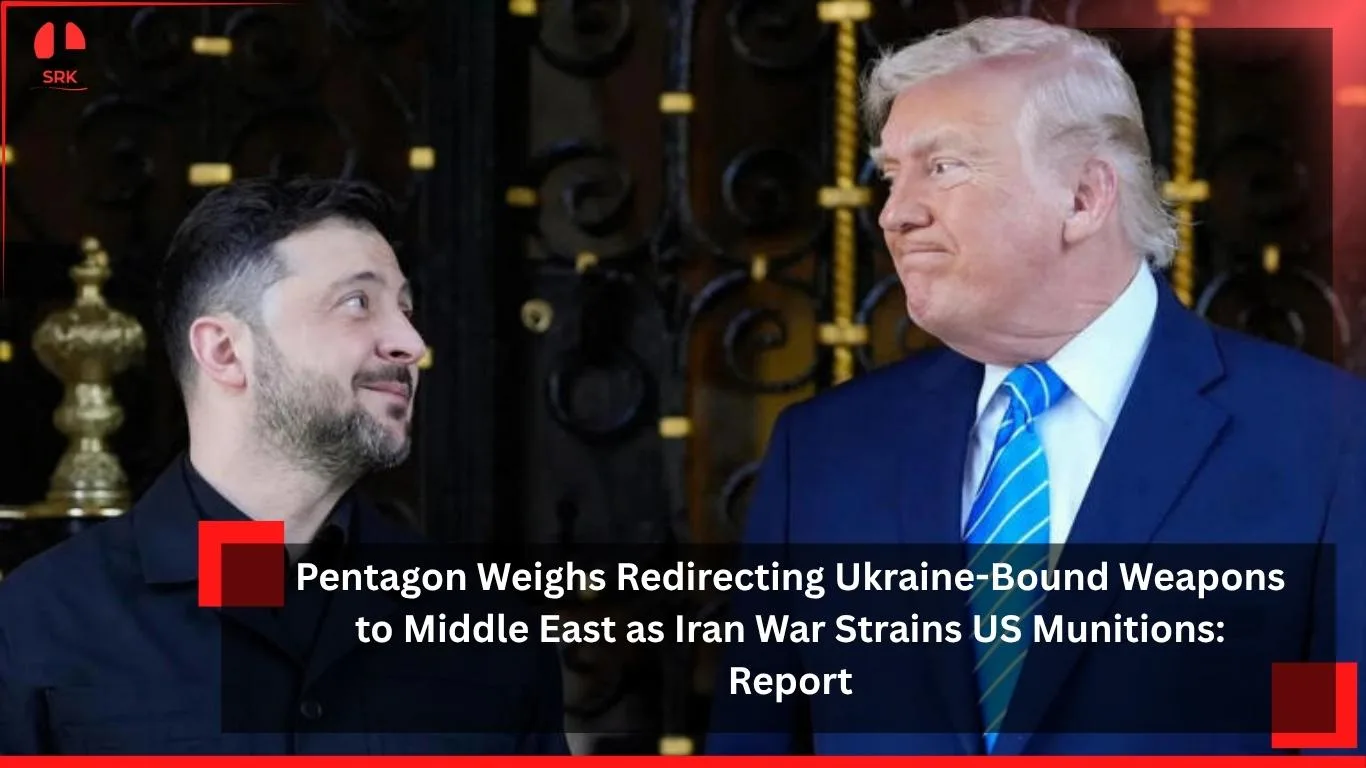
In a development that underscores the mounting strain on U.S. military resources, reports suggest that the Pentagon is considering redirecting weapons originally earmarked for Ukraine to the Middle East. The ongoing war with Iran has placed unprecedented pressure on America’s munitions stockpiles, forcing defense planners to reassess priorities and logistics.
Background of the Report
The United States has been supplying Ukraine with advanced weaponry since the outbreak of the Russia-Ukraine conflict. However, the escalation of hostilities with Iran has created a new demand for munitions in the Middle East. With U.S. forces and allies engaged in operations across the region, the Pentagon is reportedly weighing whether to shift resources away from Ukraine to meet immediate battlefield needs in the Gulf.
Key Highlights
- Weapons Redirection: Pentagon considering diverting Ukraine-bound arms to Middle East.
- Iran War Pressure: Conflict has strained U.S. munitions stockpiles.
- Ukraine Impact: Potential delays or reductions in military aid.
- Global Security Concerns: Raises questions about U.S. ability to sustain multiple conflicts.
- Strategic Rebalancing: Pentagon reviewing priorities between Europe and Middle East.
Comparative Analysis of Strategic Priorities
| Region | Current U.S. Focus | Potential Shift | Implication |
|---|---|---|---|
| Ukraine | Support against Russia | Reduced supplies if redirected | Slower military aid, possible setbacks |
| Middle East | Iran war, Gulf security | Increased weapons allocation | Immediate battlefield reinforcement |
| Global Alliances | NATO commitments | Strain on European partners | Questions about U.S. reliability |
| Domestic Stockpiles | Already under pressure | Further depletion | Need for accelerated production |
Pivot Analysis: Ukraine Aid vs Middle East Needs
| Factor | Ukraine Aid | Middle East Needs | Expected Outcome |
|---|---|---|---|
| Weapons supply | Advanced systems, steady flow | Immediate reinforcement required | Possible diversion of resources |
| Strategic priority | Containing Russia | Countering Iran | Pentagon rebalancing focus |
| Alliance expectations | NATO reliance on U.S. support | Gulf allies demand U.S. backing | Diplomatic challenges in balancing |
| Domestic production | Limited capacity | Strained by dual conflicts | Calls for ramping up industry output |
Implications of the Report
- Ukraine’s War Effort: A reduction in U.S. weapons could slow Ukraine’s battlefield momentum.
- Middle East Operations: Redirected arms would bolster U.S. and allied forces against Iran.
- Global Perception: Allies may question U.S. ability to sustain commitments across multiple theaters.
- Defense Industry Pressure: Accelerated production may be required to replenish stockpiles.
Reactions
- Ukraine: Concerns about reduced military aid and its impact on the war effort.
- Middle East Allies: Likely to welcome increased U.S. support amid Iran conflict.
- NATO Partners: May worry about weakening U.S. commitment to European security.
- Defense Analysts: Highlight the risks of overstretched resources and dual-front conflicts.
Historical Context
The U.S. has faced similar dilemmas in past conflicts, balancing commitments across multiple regions. During the Cold War and subsequent Middle East wars, resource allocation often forced difficult choices. The current situation mirrors those challenges, with the Pentagon once again weighing priorities between Europe and the Middle East.
Challenges Ahead
- Maintaining Balance: Ensuring Ukraine continues to receive sufficient support while reinforcing Middle East operations.
- Production Capacity: Expanding domestic arms manufacturing to meet dual demands.
- Diplomatic Fallout: Managing expectations of NATO and Gulf allies simultaneously.
- Long-Term Strategy: Developing sustainable policies for multi-theater conflicts.
Conclusion
The Pentagon’s reported consideration of redirecting Ukraine-bound weapons to the Middle East highlights the strain of managing simultaneous conflicts. While reinforcing operations against Iran may be necessary, the move risks undermining Ukraine’s war effort and raising questions about U.S. reliability among allies. As global tensions escalate, America’s ability to balance commitments across multiple regions will be a defining challenge for its defense strategy.
Disclaimer
This article is based on publicly available reports and expert commentary. It does not represent official government statements or classified intelligence. Readers should interpret the content as journalistic analysis, recognizing that military and geopolitical developments are fluid and subject to change.