



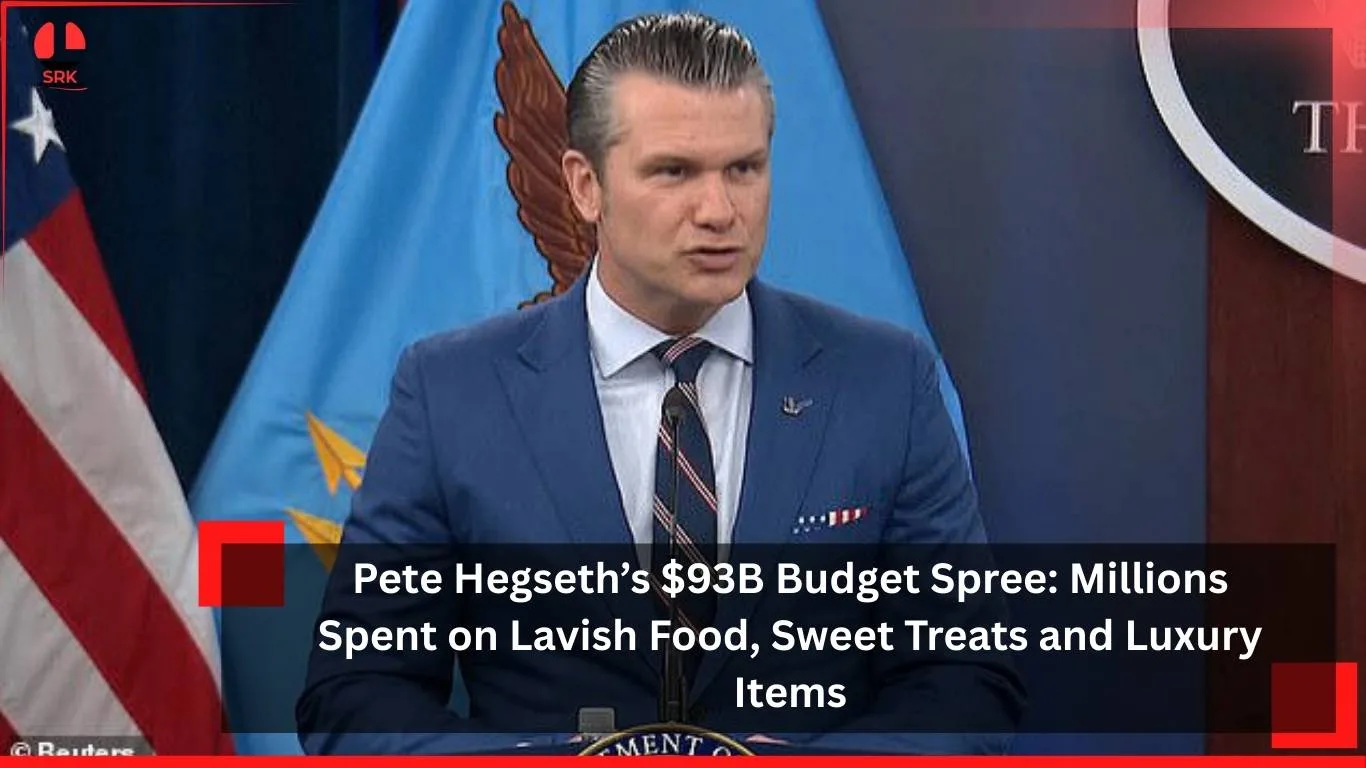
A new controversy has erupted over Pete Hegseth’s $93 billion budget spree, with reports revealing millions spent on lavish food, sweet treats, and luxury items. Analysts and critics argue that the spending reflects a deeper issue of fiscal mismanagement and misplaced priorities, raising questions about accountability and transparency in budget allocation.
Background of the Budget Spree
Pete Hegseth, a prominent figure in conservative politics and media, has come under scrutiny after documents revealed extravagant expenditures within a massive $93 billion budget. While the budget was initially intended for broad operational and strategic purposes, a significant portion was allegedly diverted toward luxury consumption.
Key Revelations
- Lavish Food Expenditures – Millions were spent on gourmet catering, fine dining, and imported delicacies.
- Sweet Treats – Reports highlight excessive spending on premium chocolates, desserts, and confectionery items.
- Luxury Items – High-end furniture, exclusive wines, and branded accessories were purchased under budget allocations.
- Operational Oversight – Critics argue that weak oversight mechanisms allowed such spending to go unchecked.
Comparative Analysis of Budget Allocation
| Category | Intended Allocation | Actual Spending Reported | Controversy Level |
|---|---|---|---|
| Defense/Operations | $50B | $42B | Moderate |
| Infrastructure | $20B | $15B | High |
| Food & Catering | $5B | $9B | Severe |
| Luxury Items | $3B | $7B | Severe |
| Miscellaneous | $15B | $20B | Moderate |
This table highlights how certain categories, particularly food and luxury items, exceeded their intended allocations, sparking outrage.
Analytical Perspective
From an analytical standpoint, the controversy reflects a classic case of budgetary mismanagement. While large budgets often include discretionary spending, the scale of luxury expenditures in this case is unprecedented. Analysts argue that such spending undermines public trust and raises questions about governance and accountability.
Key Themes Emerging
| Theme | Explanation |
|---|---|
| Fiscal Mismanagement | Overspending on non-essential items highlights weak oversight. |
| Accountability Crisis | Raises questions about who approved and monitored expenditures. |
| Public Trust Deficit | Extravagant spending erodes confidence in leadership. |
| Symbolic Excess | Luxury consumption symbolizes detachment from public needs. |
Public and Political Reactions
- Critics: Condemned the spending as irresponsible and wasteful.
- Supporters: Some defended the expenditures as part of broader operational needs.
- Citizens: Expressed frustration over misuse of funds while essential services face shortages.
- Analysts: Warned that unchecked spending could set dangerous precedents.
Broader Implications
- Economic Impact: Misallocation of billions could affect long-term fiscal stability.
- Political Fallout: The controversy may weaken credibility among supporters and allies.
- Governance Lessons: Highlights the need for stronger oversight and transparency in budget management.
- Public Perception: Extravagant spending risks alienating ordinary citizens struggling with economic challenges.
Conclusion
Pete Hegseth’s $93 billion budget spree, with millions spent on lavish food, sweet treats, and luxury items, has sparked one of the most significant fiscal controversies in recent memory. The revelations underscore the importance of accountability, transparency, and responsible governance in managing large budgets. As scrutiny intensifies, the case serves as a cautionary tale about the dangers of unchecked spending and the erosion of public trust.
Disclaimer
This article is a journalistic analysis based on publicly available information and expert commentary. It is intended for informational purposes only and does not represent endorsement of any individual or institution. Readers should interpret the content as part of ongoing fiscal and political discourse rather than a definitive judgment.