


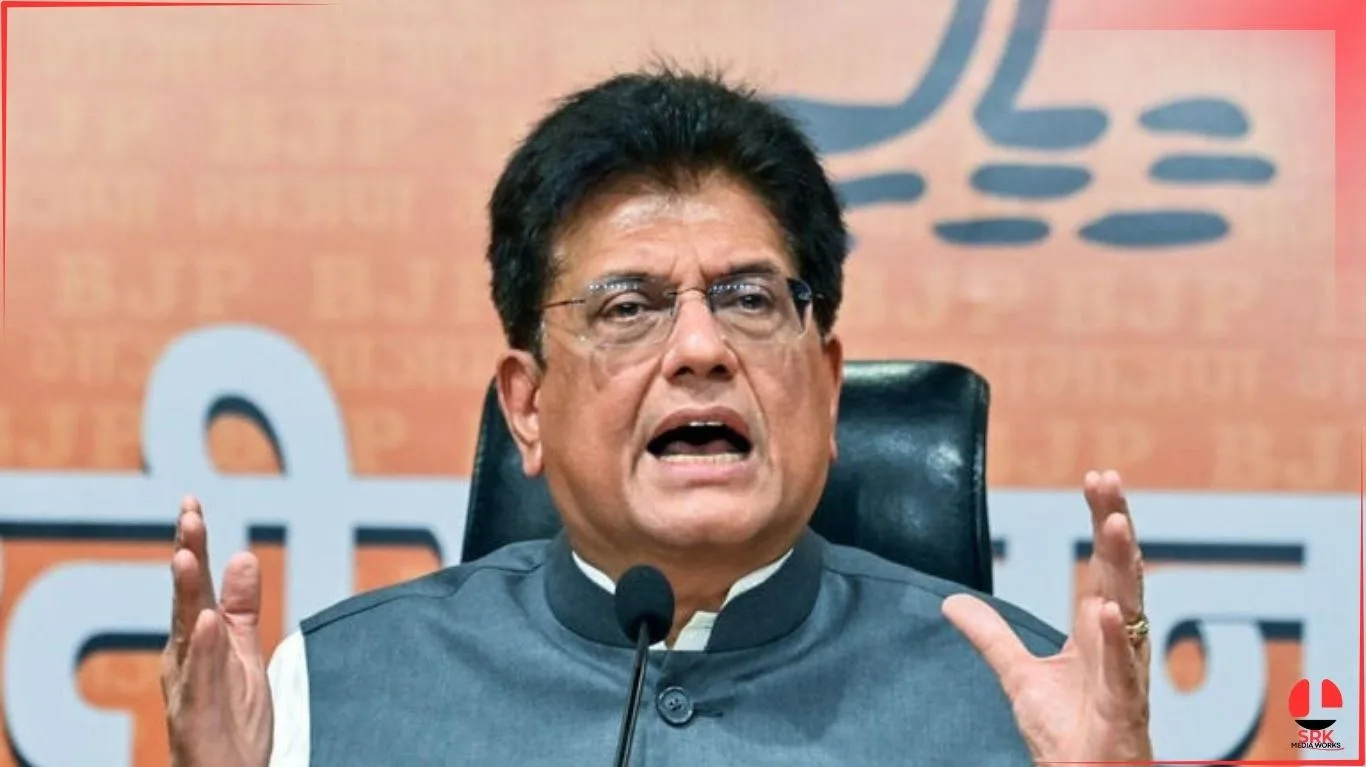
Union Minister of Commerce and Industry Piyush Goyal has given a significant indication regarding the future of the India-US trade relationship, stating that any trade deal between the two nations would be “rebalanced” if circumstances change. His remarks have sparked discussions across economic and diplomatic circles, highlighting India’s evolving approach to global trade partnerships and its readiness to adapt to shifting geopolitical and economic realities.
Context of the Statement
India and the United States have long shared a complex trade relationship, marked by cooperation, negotiations, and occasional disputes. With both countries being major economies, their trade agreements carry global significance. Goyal’s statement reflects India’s intent to ensure that any deal remains fair, balanced, and adaptable to changing conditions.
Key Highlights
- Rebalancing Clause: India will seek adjustments in trade agreements if global or domestic circumstances shift.
- Strategic Flexibility: The approach ensures India’s interests are safeguarded in dynamic economic conditions.
- Focus Areas: Technology, energy, defense, agriculture, and services are expected to be central to negotiations.
- Global Positioning: India aims to strengthen its role as a reliable trade partner while protecting domestic industries.
Comparative Analysis of India-US Trade Relations
| Parameter | India’s Position | US Position | Global Impact |
|---|---|---|---|
| Tariff Policies | Protect domestic industries | Push for market access | Influences global trade flows |
| Technology Transfer | Seeks collaboration | Cautious on IP rights | Shapes innovation ecosystems |
| Agriculture | Sensitive sector | Export-oriented | Impacts food security |
| Services | Strong IT and outsourcing | Demand for skilled visas | Boosts global digital economy |
| Defense Trade | Expanding imports | Strategic supplier | Strengthens geopolitical ties |
Analysis of Trade Sentiment
| Sentiment Category | Impact on India | Impact on US | Impact on Global Economy |
|---|---|---|---|
| Investor Confidence | Strengthened – India seen as flexible | Positive – US gains assurance | Encourages global stability |
| Policy Perception | Adaptive – India protects interests | Balanced – US sees opportunity | Promotes fair trade practices |
| Public Sentiment | Optimistic – India seen as assertive | Neutral – cautious optimism | Inspires emerging economies |
| Media Coverage | Extensive – highlights India’s stance | Balanced – focuses on negotiations | Global attention on trade talks |
Why Rebalancing Matters
Trade agreements are often long-term commitments. However, global economic conditions can change rapidly due to factors such as:
- Geopolitical Shifts: Conflicts or alliances altering trade routes.
- Technological Advances: New industries requiring updated trade terms.
- Economic Crises: Inflation, recession, or supply chain disruptions.
- Environmental Concerns: Climate policies impacting trade in energy and agriculture.
By emphasizing rebalancing, India signals its intent to remain agile and responsive.
Challenges in India-US Trade Negotiations
- Tariff Disputes: Differences in tariff structures remain a sticking point.
- Intellectual Property Rights: US demands stricter enforcement, while India seeks flexibility.
- Visa Policies: India’s IT sector depends on skilled worker visas, often restricted by US policies.
- Agricultural Access: US seeks greater access to Indian markets, which India protects for domestic farmers.
Opportunities Ahead
Despite challenges, India-US trade relations hold immense potential:
- Technology Collaboration: Joint ventures in AI, semiconductors, and clean energy.
- Defense Cooperation: Strengthening strategic ties through defense trade.
- Digital Economy: Expanding outsourcing and IT services.
- Green Energy: Collaborations in renewable energy and climate-friendly technologies.
Conclusion
Piyush Goyal’s statement that the India-US trade deal would be “rebalanced” if circumstances change reflects India’s pragmatic and forward-looking approach to global trade. By ensuring flexibility, India aims to safeguard its national interests while fostering stronger ties with the United States. The emphasis on adaptability highlights India’s readiness to navigate the complexities of global trade and emerge as a resilient economic power.
Disclaimer
This article is a journalistic analysis based on publicly available information and official statements. It does not endorse or oppose any political party, government, or institution. Readers are encouraged to interpret the content as informative coverage and verify facts independently before forming opinions.