
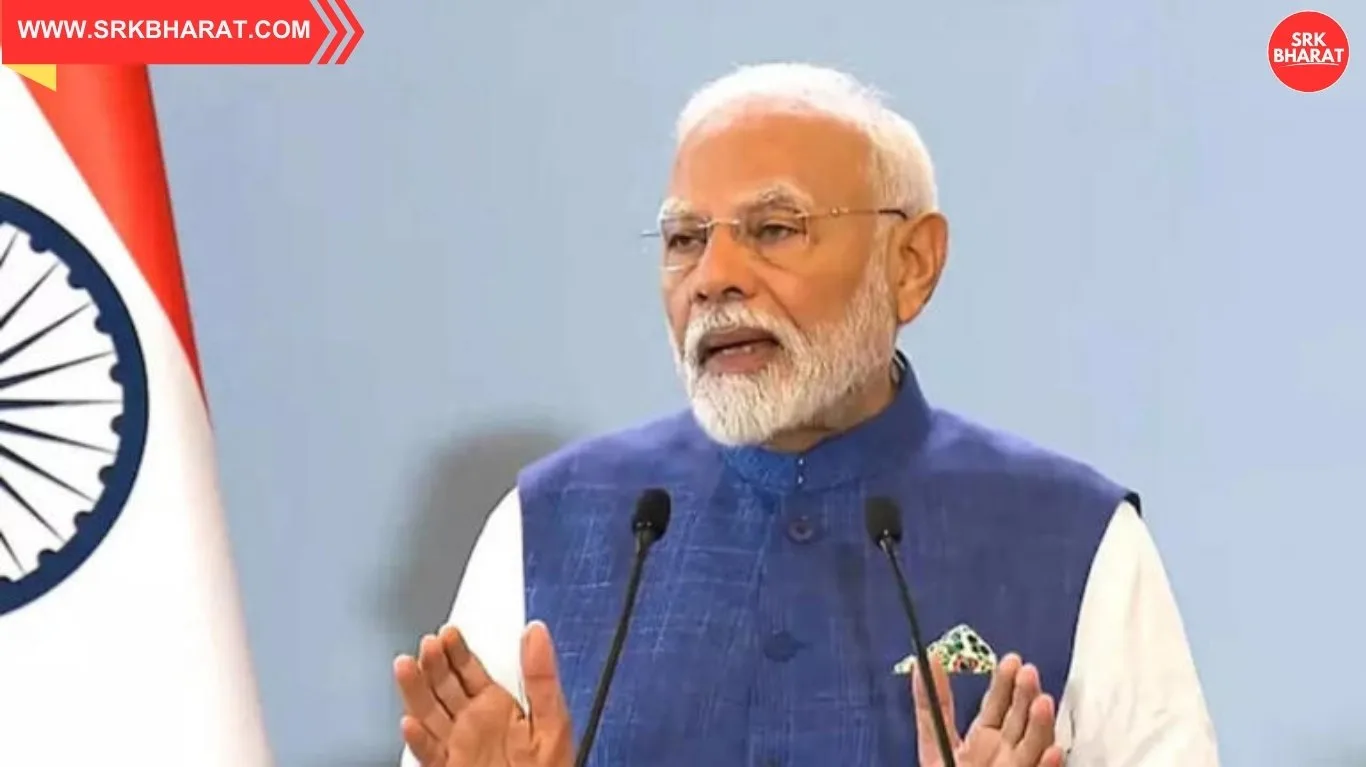
Prime Minister Narendra Modi recently highlighted India’s success in sealing major trade deals under his government, while also taking a swipe at the Congress-led UPA regime, accusing it of failing to capitalize on opportunities during its tenure. Modi’s remarks come at a time when India is positioning itself as a global economic powerhouse, with trade agreements playing a central role in boosting exports, investments, and strategic partnerships.
Key Highlights
- PM Modi’s Statement: Emphasized India’s achievements in finalizing trade deals.
- Criticism of UPA: Alleged missed opportunities and lack of decisive leadership.
- Economic Context: Trade deals seen as vital for India’s global competitiveness.
- Strategic Importance: Agreements strengthen India’s role in global supply chains.
- Political Narrative: Modi contrasts current government’s performance with UPA’s record.
Why Trade Deals Matter
- Export Growth: Opens new markets for Indian goods and services.
- Investment Opportunities: Encourages foreign direct investment (FDI).
- Strategic Alliances: Strengthens ties with key global economies.
- Economic Diversification: Reduces dependence on limited markets.
Comparative Analysis: Trade Deals Under Different Regimes
| Period | Key Trade Agreements Signed | Impact on Economy | Criticism/Challenges |
|---|---|---|---|
| UPA Era (2004–2014) | Limited progress, stalled negotiations | Missed opportunities | Lack of decisive leadership |
| Modi Era (2014–2026) | Multiple trade deals with UAE, Australia, EU negotiations | Boosted exports, FDI inflows | Ongoing challenges in agriculture and services sectors |
This comparison highlights Modi’s narrative of proactive trade diplomacy versus UPA’s alleged indecisiveness.
Pivot Analysis: Stakeholder Perspectives
| Stakeholder | Position on Trade Deals | Impact |
|---|---|---|
| Government | Positive | Showcases strong leadership and global positioning |
| Congress Party | Critical | Accuses Modi of politicizing trade achievements |
| Business Community | Supportive | Welcomes new market opportunities |
| Farmers’ Groups | Concerned | Fear impact on agricultural pricing |
| Analysts | Mixed | Recognize progress but caution on long-term sustainability |
The pivot analysis shows optimism among businesses, skepticism from farmers, and political sparring between BJP and Congress.
Benefits of Recent Trade Deals
- Market Access: Indian products gain entry into new regions.
- Job Creation: Export-driven industries generate employment.
- Technology Transfer: Partnerships bring advanced technologies.
- Global Standing: India seen as a reliable trade partner.
Challenges Ahead
- Agricultural Concerns: Farmers fear competition from imports.
- Negotiation Complexities: Balancing domestic interests with global demands.
- Implementation: Ensuring trade agreements translate into tangible benefits.
- Geopolitical Risks: Global tensions may impact trade flows.
Broader Context
- Global Trade Shifts: Nations diversifying supply chains post-pandemic.
- India’s Strategy: Leveraging trade deals to boost manufacturing and exports.
- Political Narrative: Modi using trade diplomacy as a contrast to UPA’s record.
- Future Outlook: Ongoing negotiations with EU and UK could further expand India’s trade footprint.
Conclusion
Prime Minister Modi’s remarks on how India sealed trade deals highlight the government’s focus on proactive diplomacy and economic expansion. By contrasting current achievements with the Congress-led UPA’s record, Modi framed the narrative around decisive leadership and missed opportunities. While trade deals promise growth, challenges in agriculture, services, and implementation remain. The debate underscores how economic policy continues to be a central theme in India’s political discourse.
Disclaimer
This article is intended for informational purposes only. It provides an overview of Prime Minister Modi’s remarks on trade deals and his criticism of the UPA era. It does not constitute political, financial, or investment advice. Readers should rely on official government communications for verified updates.