
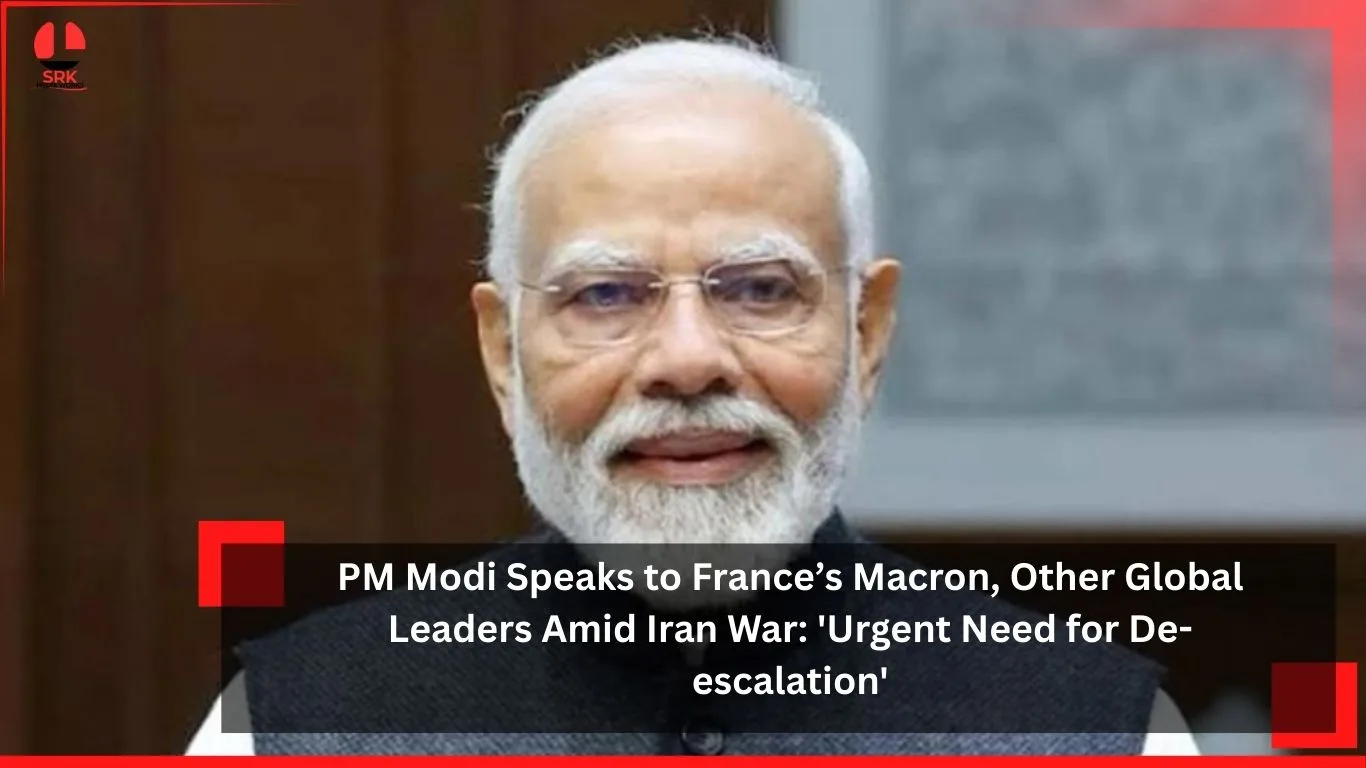
Prime Minister Narendra Modi has spoken with French President Emmanuel Macron and several other global leaders amid escalating tensions in Iran, stressing the urgent need for de-escalation and a renewed focus on dialogue and diplomacy. The outreach highlights India’s proactive role in global peace efforts and its commitment to stability in West Asia, a region critical to India’s energy security and diaspora interests.
Context of the Conflict
The Iran war has triggered widespread concern across the international community. Rising hostilities threaten to destabilize the Middle East, disrupt global energy supplies, and create humanitarian crises. India, with millions of citizens working in the Gulf and heavy reliance on oil imports, has a direct stake in ensuring peace.
Modi’s Diplomatic Engagements
- Conversation with Emmanuel Macron: Modi emphasized the importance of immediate de-escalation and reaffirmed India’s partnership with France in promoting peace.
- Talks with Other Leaders: Modi also reached out to leaders in Europe, Asia, and the Middle East, underlining the need for collective responsibility.
- Focus on Dialogue: He reiterated that diplomacy, not confrontation, is the only sustainable path forward.
| Leader Contacted | Country | Key Discussion Point | Outcome |
|---|---|---|---|
| Emmanuel Macron | France | Urgent de-escalation | Joint call for peace |
| Middle East Leaders | Gulf nations | Protect diaspora, energy security | Ongoing coordination |
| European Leaders | EU states | Global stability | Support for dialogue |
| Asian Leaders | Regional partners | Trade and security | Strengthened cooperation |
India’s Strategic Concerns
India’s position is shaped by several factors:
- Energy Security: Dependence on Middle Eastern oil makes stability vital.
- Diaspora Safety: Millions of Indians live and work in Gulf countries.
- Trade Routes: Disruption in the Strait of Hormuz could impact global commerce.
- Geopolitical Balance: India seeks to maintain ties with both Western allies and regional powers.
Global Reactions
The international community has largely welcomed Modi’s outreach. Macron echoed India’s call for restraint, while other leaders expressed support for diplomatic initiatives.
| Stakeholder | Reaction | Implication |
|---|---|---|
| France | Supportive | Strengthened Indo-French ties |
| EU | Positive | Collective push for peace |
| Middle East | Cautious | Balancing regional interests |
| Global Public | Concerned | Demand for humanitarian focus |
Comparative Analysis of Global Responses
| Country | Approach to Iran War | Alignment with India |
|---|---|---|
| France | Diplomatic de-escalation | Strongly aligned |
| US | Strategic sanctions, military presence | Partially aligned |
| China | Neutral, economic focus | Limited alignment |
| India | Dialogue and diplomacy | Independent but cooperative |
Broader Implications
The situation underscores the importance of global cooperation in addressing conflicts. Modi’s engagement reflects India’s growing role as a mediator and responsible global actor.
- Diplomatic Leadership: India positions itself as a voice of reason.
- Economic Stability: Ensuring uninterrupted energy supplies.
- Humanitarian Concerns: Protecting civilians and diaspora communities.
- Global Security: Preventing escalation into wider conflict.
Future Outlook
Experts suggest that continued diplomatic engagement will be crucial. India is expected to maintain close coordination with France, the EU, and Middle Eastern nations. The focus will remain on preventing escalation, safeguarding energy routes, and ensuring the safety of Indian citizens abroad.
Conclusion
Prime Minister Modi’s conversations with Emmanuel Macron and other global leaders amid the Iran war highlight India’s proactive role in promoting peace. By stressing the urgent need for de-escalation and dialogue, India reinforces its position as a responsible global player committed to stability, security, and diplomacy.
Disclaimer: This article is intended for informational purposes only. It provides an overview of Prime Minister Modi’s diplomatic engagements amid the Iran war. The content does not represent official government communication, and readers are advised to consult verified reports for precise details.