




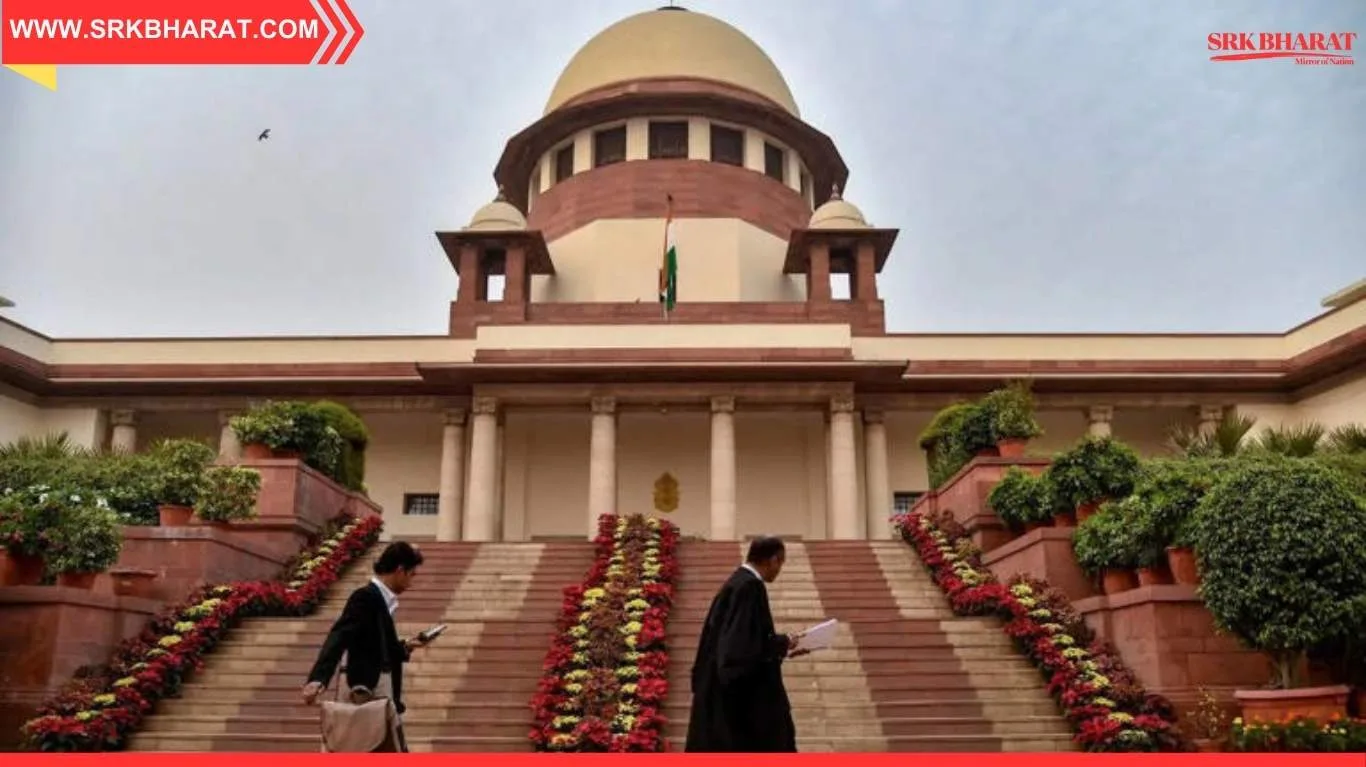
In a landmark observation, the Supreme Court of India (SC) has reiterated that a public prosecutor is an officer of the court and cannot function with the sole objective of securing a conviction. The apex court emphasized that the role of a prosecutor is to assist the court in arriving at the truth, ensuring justice is served both to the accused and the victim. This pronouncement underscores the judiciary’s commitment to fairness, impartiality, and the sanctity of criminal justice proceedings.
Prosecutor’s Role In Criminal Justice
- Officer Of Court: The SC clarified that prosecutors are not representatives of the police or the state alone but are officers of the court tasked with upholding justice.
- Beyond Conviction: Their duty is not limited to proving guilt but extends to ensuring that innocent individuals are not wrongfully convicted.
- Judicial Balance: The ruling reinforces the principle that justice must be balanced, impartial, and free from bias.
- Legal Context: The observation came during hearings where prosecutorial conduct was questioned, highlighting the need for ethical standards in criminal trials.
Key Highlights Of SC’s Observation
| Aspect | Details | Impact |
|---|---|---|
| Institution | Supreme Court of India | Apex judicial authority |
| Subject | Role of public prosecutor | Officer of the court |
| Observation | Cannot aim solely at conviction | Must ensure justice |
| Duty | Assist court in truth-seeking | Protects rights of accused & victim |
| Impact | Strengthens fairness in trials | Reinforces judicial integrity |
Why This Observation Matters
- Fair Trial Principle: Ensures that trials are conducted with impartiality, protecting constitutional rights.
- Judicial Integrity: Reinforces the independence of the judiciary from prosecutorial bias.
- Public Confidence: Enhances trust in the criminal justice system.
- Legal Precedent: Sets a benchmark for future cases involving prosecutorial conduct.
- Human Rights: Safeguards against wrongful convictions and misuse of state power.
Duties Of A Public Prosecutor
| Duty | Description | Importance |
|---|---|---|
| Officer Of Court | Acts impartially to assist judiciary | Ensures justice |
| Truth-Seeking | Presents evidence fairly | Prevents wrongful conviction |
| Protect Rights | Safeguards accused & victim | Upholds constitutional values |
| Ethical Conduct | Avoids bias or misconduct | Maintains credibility |
| Justice Delivery | Balances conviction with fairness | Strengthens rule of law |
Industry And Legal Reaction
- Legal Experts: Applaud the SC’s observation as a reminder of prosecutorial ethics.
- Human Rights Advocates: Highlight the importance of protecting individuals from wrongful convictions.
- Law Students: See the ruling as a critical precedent in criminal law education.
- Public Sentiment: Citizens welcome the emphasis on fairness and impartiality in trials.
Strategic Importance
- Judicial Oversight: Strengthens the role of courts in monitoring prosecutorial conduct.
- Criminal Justice Reform: Encourages systemic improvements in trial procedures.
- Global Standards: Aligns India’s justice system with international norms of fairness.
- Rule Of Law: Reinforces constitutional principles of equality and justice.
Expert Opinions
- Senior Advocates: Stress that prosecutors must act as ministers of justice, not agents of conviction.
- Judges: Note that impartiality is essential for maintaining judicial credibility.
- Academics: Emphasize the educational value of the ruling for future legal practitioners.
- Global Observers: Recognize India’s judiciary for upholding fairness in criminal justice.
Public Sentiment
- Citizens: Express relief that the judiciary is safeguarding rights.
- Accused Persons: Gain confidence in fair trial protections.
- Victims: Reassured that justice will be balanced and impartial.
- Social Media: Discussions highlight the importance of ethical prosecution.
Challenges Ahead
- Implementation: Ensuring prosecutors adhere to ethical standards consistently.
- Training: Need for specialized training in prosecutorial ethics.
- Systemic Issues: Addressing delays and inefficiencies in criminal trials.
- Public Awareness: Educating citizens about their rights in the justice system.
Future Outlook
- Short-Term: Courts likely to scrutinize prosecutorial conduct more closely.
- Medium-Term: Legal education may incorporate stronger emphasis on ethics.
- Long-Term: India’s criminal justice system could evolve into a model of fairness and impartiality.
- Global Impact: The ruling enhances India’s reputation for upholding rule of law.
Conclusion
The Supreme Court’s observation that a prosecutor is an officer of the court and cannot act with the sole aim of securing conviction is a landmark reminder of the principles of justice. By emphasizing fairness, impartiality, and truth-seeking, the ruling strengthens the integrity of India’s criminal justice system.
For prosecutors, it is a call to uphold ethical standards. For courts, it reinforces judicial oversight. And for citizens, it is a reassurance that justice in India remains rooted in constitutional values and human rights.
Disclaimer: This article is based on publicly available judicial updates, expert commentary, and media analysis. Readers are advised to follow official Supreme Court judgments and verified sources for detailed information.