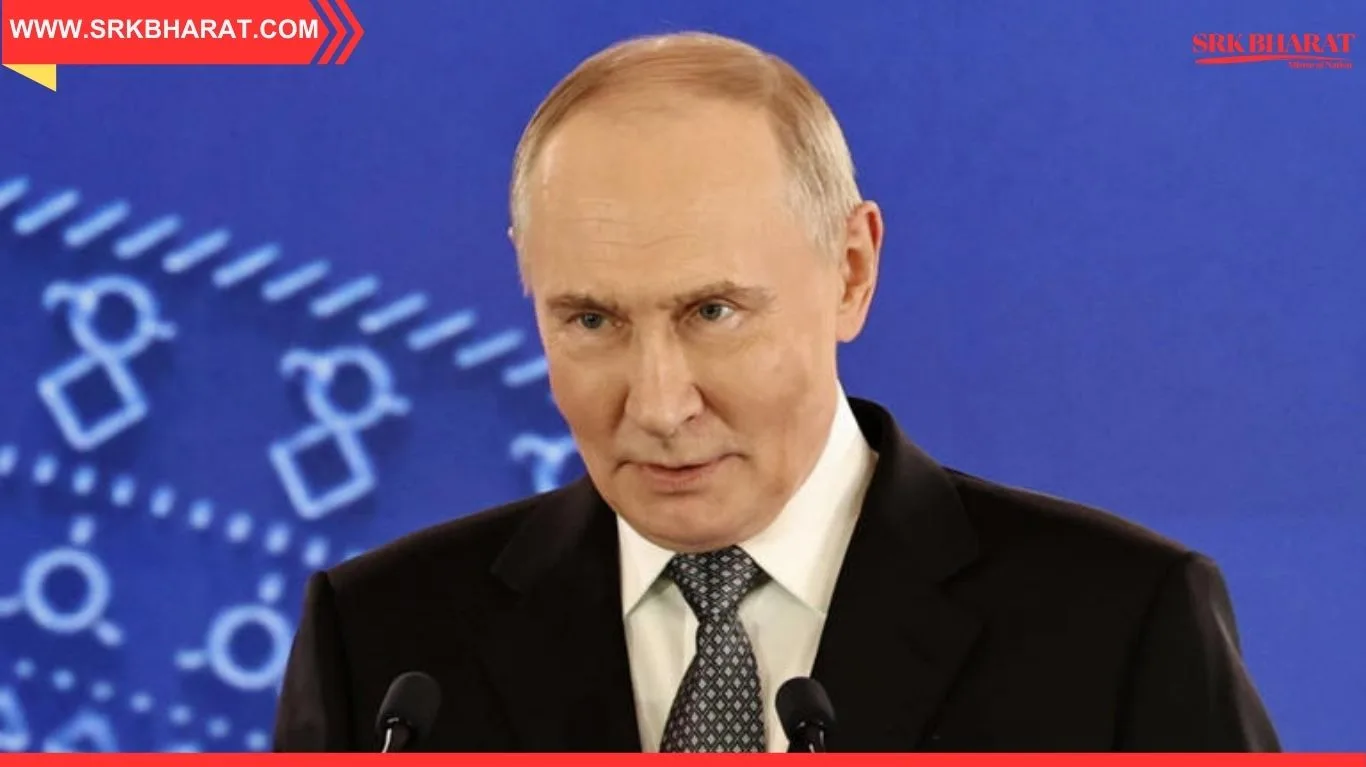
The Kremlin has strongly dismissed speculation that Russian President Vladimir Putin harbors ambitions to revive the Soviet Union, calling such claims “complete stupidity.” The statement comes amid renewed global debates about Russia’s geopolitical strategies, its historical legacy, and the ongoing tensions with Western nations. The denial underscores Moscow’s insistence that its policies are focused on modern-day national interests rather than attempts to recreate past political structures.
Key Highlights
- Kremlin rejects claims that Putin wants to revive the Soviet Union.
- Officials call the speculation “complete stupidity.”
- Debate reignites over Russia’s geopolitical ambitions and historical legacy.
- Analysts highlight differences between modern Russia and the Soviet era.
- Global reactions reflect concerns about Russia’s role in international politics.
Background of the Debate
The Soviet Union, which dissolved in 1991, was one of the most powerful political entities of the 20th century. Its collapse reshaped global geopolitics, leading to the emergence of independent states across Eastern Europe and Central Asia.
Speculation about Putin’s alleged desire to revive the Soviet Union has circulated for years, fueled by Russia’s assertive foreign policy moves, including the annexation of Crimea in 2014 and its influence in former Soviet territories. However, Kremlin officials have consistently denied such ambitions, emphasizing that Russia’s focus is on strengthening its sovereignty and modern governance.
Statistical Overview of Soviet Union Legacy vs Modern Russia
| Aspect | Soviet Union (Pre-1991) | Modern Russia (Post-1991) | Key Difference |
|---|---|---|---|
| Political System | One-party communist rule | Multi-party system with dominant leadership | Shift to hybrid governance |
| Economy | Centralized planning | Market-driven with state influence | Greater global integration |
| Military Influence | Global superpower | Regional power with nuclear deterrence | Reduced global reach |
| Foreign Policy | Expansionist ideology | National interest-driven | Pragmatic approach |
| Global Standing | Rival to US | Strategic competitor, not equal | Changed balance of power |
Impact of Kremlin’s Denial
| Factor | Impact on Russia | Impact on Global Politics | Impact on Public Perception |
|---|---|---|---|
| Political narrative | Reinforces sovereignty focus | Reduces fears of Soviet revival | Counters speculation |
| Foreign relations | Positions Russia as pragmatic | Eases tensions with some nations | Mixed reactions globally |
| Historical debate | Separates modern Russia from Soviet past | Shapes academic discourse | Fuels media discussions |
| Long-term outlook | Focus on modernization | Global engagement continues | Public remains divided |
Why This Statement Matters
- Clarifies Russia’s Position: The Kremlin’s denial aims to counter narratives that paint Russia as expansionist.
- Global Stability: By rejecting Soviet revival claims, Russia seeks to ease concerns among neighboring states.
- Domestic Politics: Reinforces the government’s focus on modern reforms rather than nostalgia.
- Media Narratives: Highlights the role of speculation in shaping international perceptions of Russia.
Expert Views
Political analysts argue that while Russia’s assertive policies may resemble Soviet-era strategies, the motivations are different. Modern Russia operates in a globalized economy and faces constraints that the Soviet Union did not. Experts emphasize that speculation about Soviet revival often oversimplifies Russia’s complex geopolitical goals.
Public and International Reactions
Globally, reactions to the Kremlin’s denial have been mixed. Some observers welcomed the clarification, while others remain skeptical, pointing to Russia’s actions in Ukraine and its influence in former Soviet states. Within Russia, the statement reinforces the government’s narrative of focusing on sovereignty, modernization, and national pride.
Social media discussions reflect polarized views, with some users mocking the speculation as outdated while others warn of Russia’s growing assertiveness.
Historical Context
The dissolution of the Soviet Union in 1991 marked a turning point in world history. For Russia, it meant economic hardship, political restructuring, and a loss of global influence. Since then, successive leaders have sought to rebuild Russia’s strength, but not necessarily by reviving the Soviet model. Putin’s leadership has emphasized stability, nationalism, and strategic influence, but Kremlin officials insist this does not equate to recreating the USSR.
Extended Analysis
The debate over Soviet revival reflects broader themes in global politics:
- Historical Memory: The Soviet Union remains a powerful symbol, shaping perceptions of Russia.
- Geopolitical Strategy: Russia’s actions in Eastern Europe and Central Asia fuel speculation.
- Media Narratives: Speculation often overshadows nuanced analysis of Russia’s policies.
- Global Balance: The US, EU, and NATO closely monitor Russia’s moves, interpreting them through Cold War lenses.
For Russia, the denial is about asserting its modern identity. For global observers, it is a reminder of the enduring influence of history on contemporary politics.
Conclusion
The Kremlin’s dismissal of claims that Putin wants to revive the Soviet Union, calling them “complete stupidity,” highlights the gap between speculation and official policy. While Russia’s assertive foreign policy continues to spark debates, officials insist the country is focused on modern sovereignty and national interests rather than nostalgia for the past. The statement underscores the importance of separating historical memory from contemporary realities in understanding Russia’s role in global politics.
Disclaimer
This article is based on publicly available political updates, expert commentary, and media analysis. It is intended for informational and editorial purposes only, offering insights into the Kremlin’s reaction to speculation about Soviet revival and its implications for global politics.