

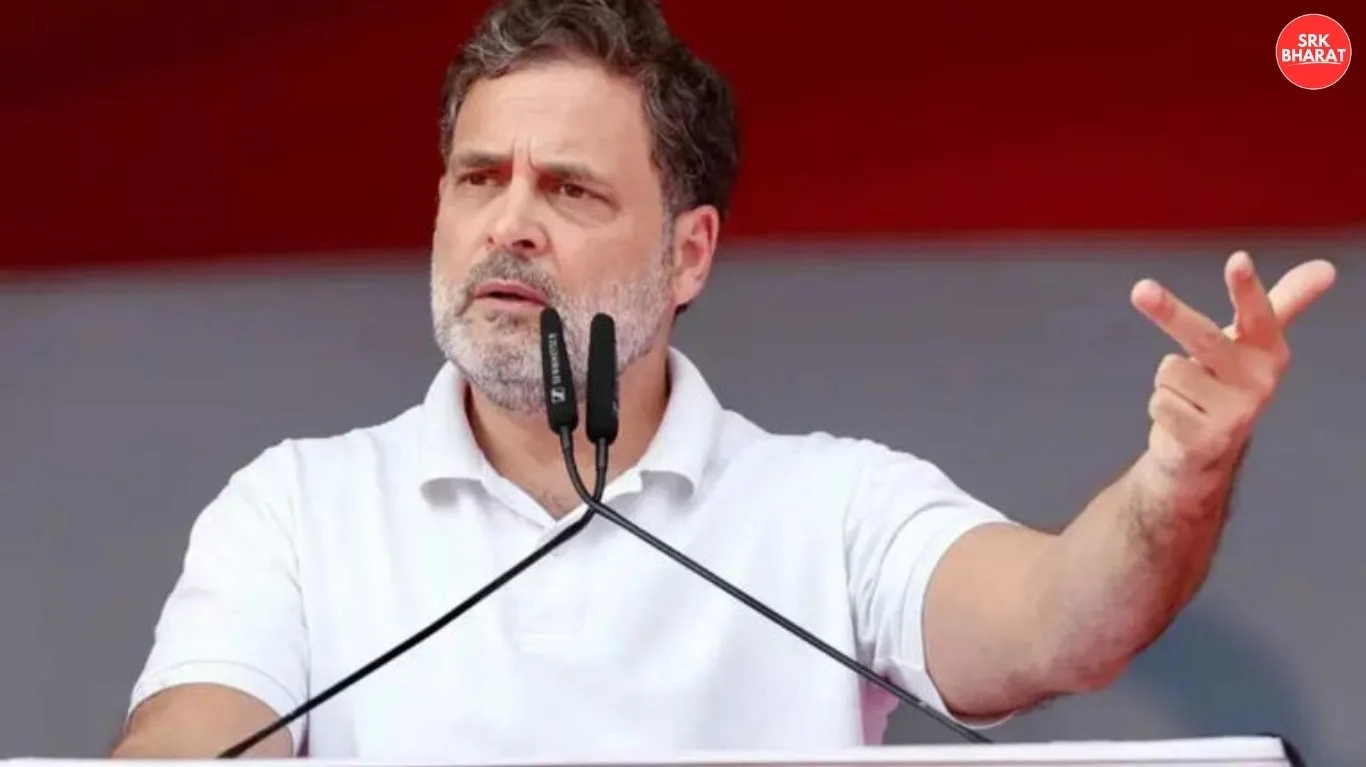
In a sharp political exchange, Congress leader Rahul Gandhi has raised questions over Prime Minister Narendra Modi’s approach to striking deals with Israel. His remarks, framed as a direct challenge, have sparked debate across political and diplomatic circles. The issue touches upon India’s foreign policy, defense procurement, and the balance between strategic partnerships and domestic accountability.
The Context of Rahul’s Question
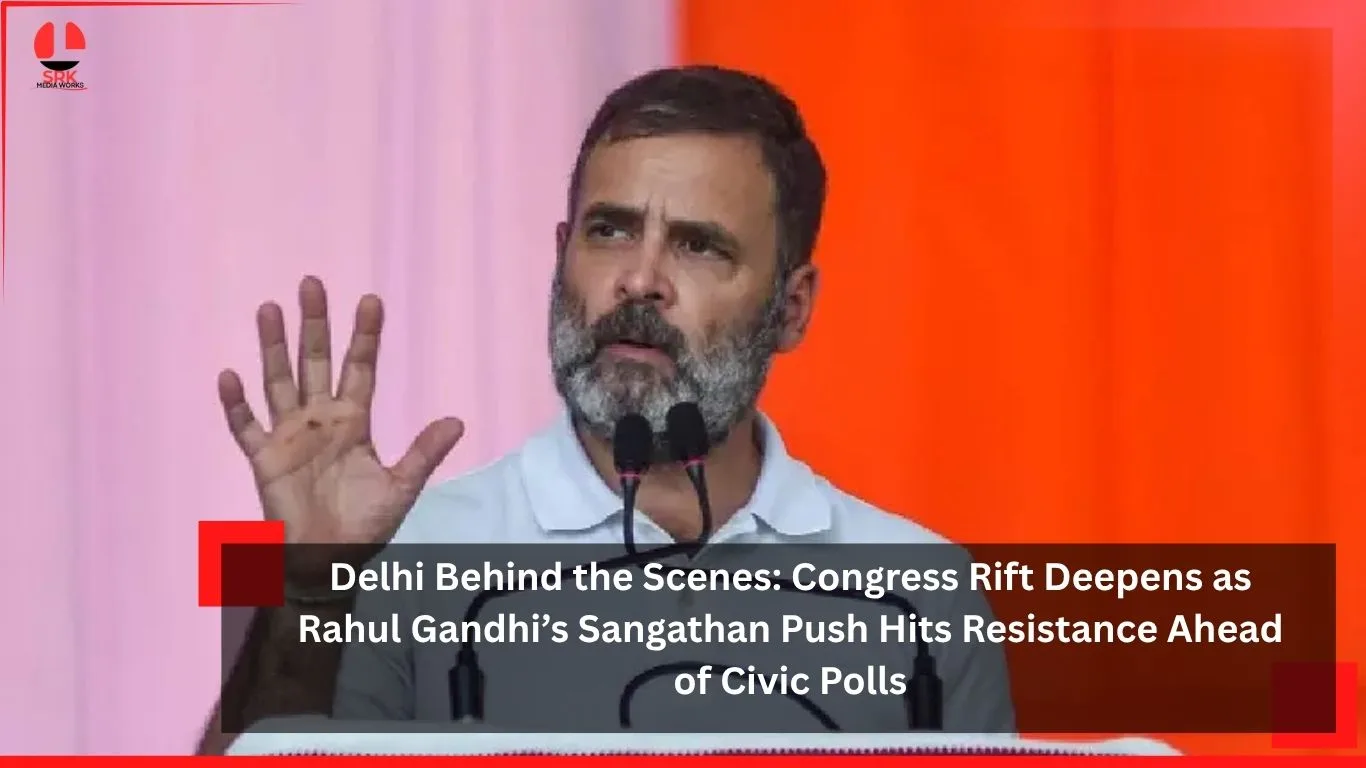
Rahul Gandhi’s statement — “On whose orders will you strike a deal with Israel?” — comes at a time when India is deepening its defense and technology ties with Israel. His query reflects:
- Concerns about transparency in defense deals.
- The need for parliamentary accountability in foreign policy decisions.
- A broader critique of Modi’s style of governance, which Rahul often describes as centralized and opaque.
India-Israel Relations Under Modi
India’s ties with Israel have grown significantly under Modi’s leadership. Key highlights include:
- Defense cooperation: Procurement of drones, missile systems, and surveillance technology.
- Agricultural innovation: Israeli expertise in irrigation and water management aiding Indian farmers.
- Technology partnerships: Collaboration in cybersecurity, AI, and medical research.
- Diplomatic outreach: Modi’s historic visit to Israel in 2017, the first by an Indian Prime Minister.
Political Debate: Transparency vs. Strategy
Rahul Gandhi’s criticism raises important questions:
- Should defense deals be subject to greater parliamentary scrutiny?
- Is Modi’s government prioritizing strategic autonomy or aligning too closely with external powers?
- How does India balance national security needs with democratic accountability?
Comparative Analysis of India’s Defense Deals
| Country | Nature of Deal | Strategic Importance |
|---|---|---|
| Israel | Drones, missile systems, surveillance | Enhances border security and intelligence |
| Russia | Fighter jets, nuclear cooperation | Long-standing defense partner |
| USA | Aircraft, defense technology | Expands global strategic reach |
| France | Rafale jets, naval systems | Strengthens air and naval capabilities |
This comparison shows that India’s defense procurement is diversified, but Israel has emerged as a critical partner in high-tech defense solutions.
Why Israel Matters to India
Israel’s role in India’s defense and innovation ecosystem is unique:
- Cutting-edge technology: Israel is a leader in drone warfare, missile defense, and cybersecurity.
- Shared security concerns: Both nations face terrorism and regional instability.
- Agricultural collaboration: Israeli water-saving techniques are vital for India’s rural economy.
- Medical research: Joint projects in pharmaceuticals and healthcare innovation.
Rahul Gandhi’s Political Strategy
Rahul’s question is not just about foreign policy; it is also a political tactic:
- Positioning himself as a watchdog of transparency.
- Highlighting Modi’s alleged centralized decision-making.
- Appealing to voters who value accountability in governance.
Public and Media Reaction
The statement has generated mixed reactions:
- Supporters of Modi argue that strategic decisions cannot always be public.
- Critics echo Rahul’s demand for greater transparency.
- Media coverage has amplified the debate, framing it as a clash between national security and democratic oversight.
Historical Perspective
India’s defense deals have often been controversial:
- Bofors scandal in the 1980s raised questions about corruption.
- Rafale deal under Modi faced opposition scrutiny.
- Now, Israel deals are under the spotlight, with Rahul Gandhi pushing for accountability.
Expected Outcomes of the Debate
- Policy discussions on transparency in defense procurement.
- Greater public awareness of India-Israel relations.
- Political polarization, with ruling and opposition parties taking strong positions.
Challenges Ahead
India must navigate:
- Balancing secrecy and transparency in defense deals.
- Managing diplomatic relations with Israel while maintaining ties with Arab nations.
- Ensuring accountability without compromising national security.
Future Outlook
The debate sparked by Rahul Gandhi’s question may lead to:
- Stronger parliamentary oversight on foreign policy.
- More public discourse on India’s defense partnerships.
- Continued strategic collaboration with Israel, but under closer scrutiny.
Disclaimer
This article is a journalistic analysis based on publicly available information and political statements. It does not represent official government positions. Readers should treat this as an informative overview rather than a definitive account of policy decisions.