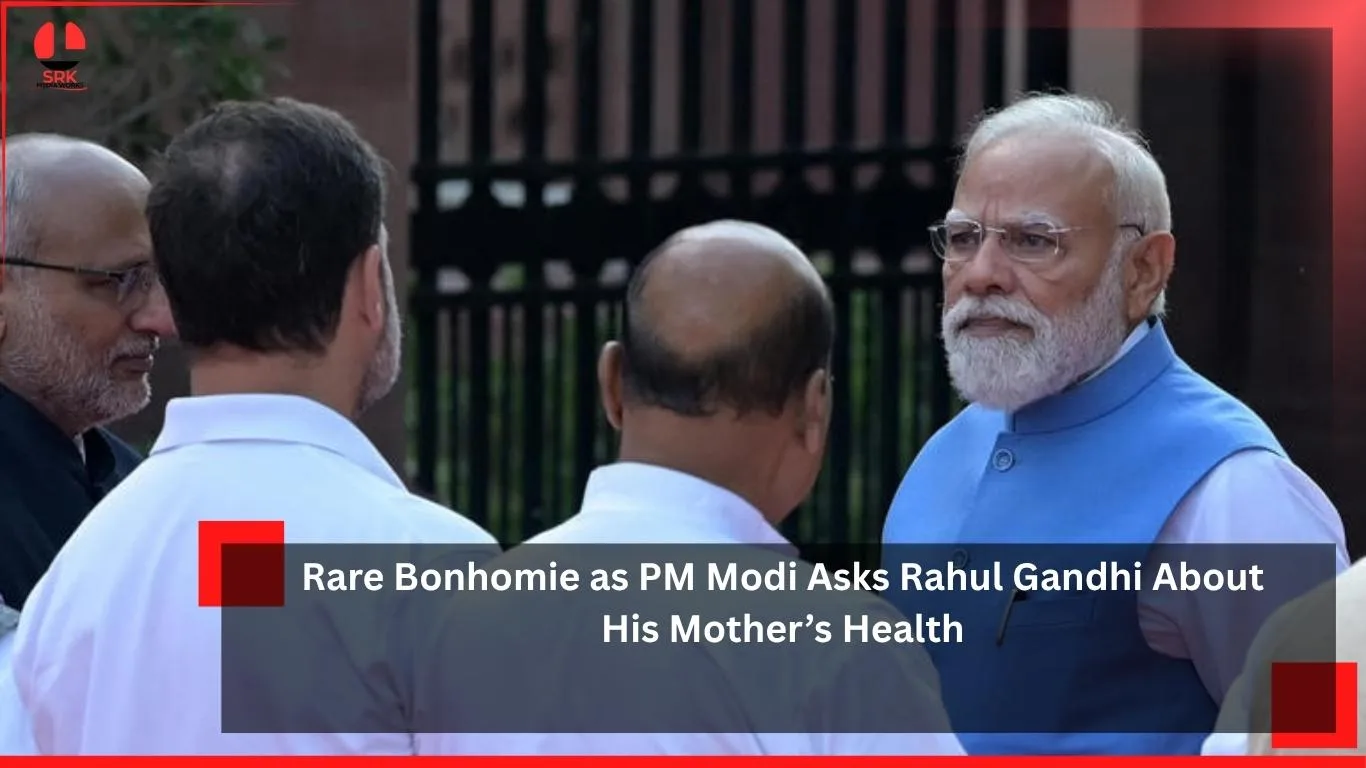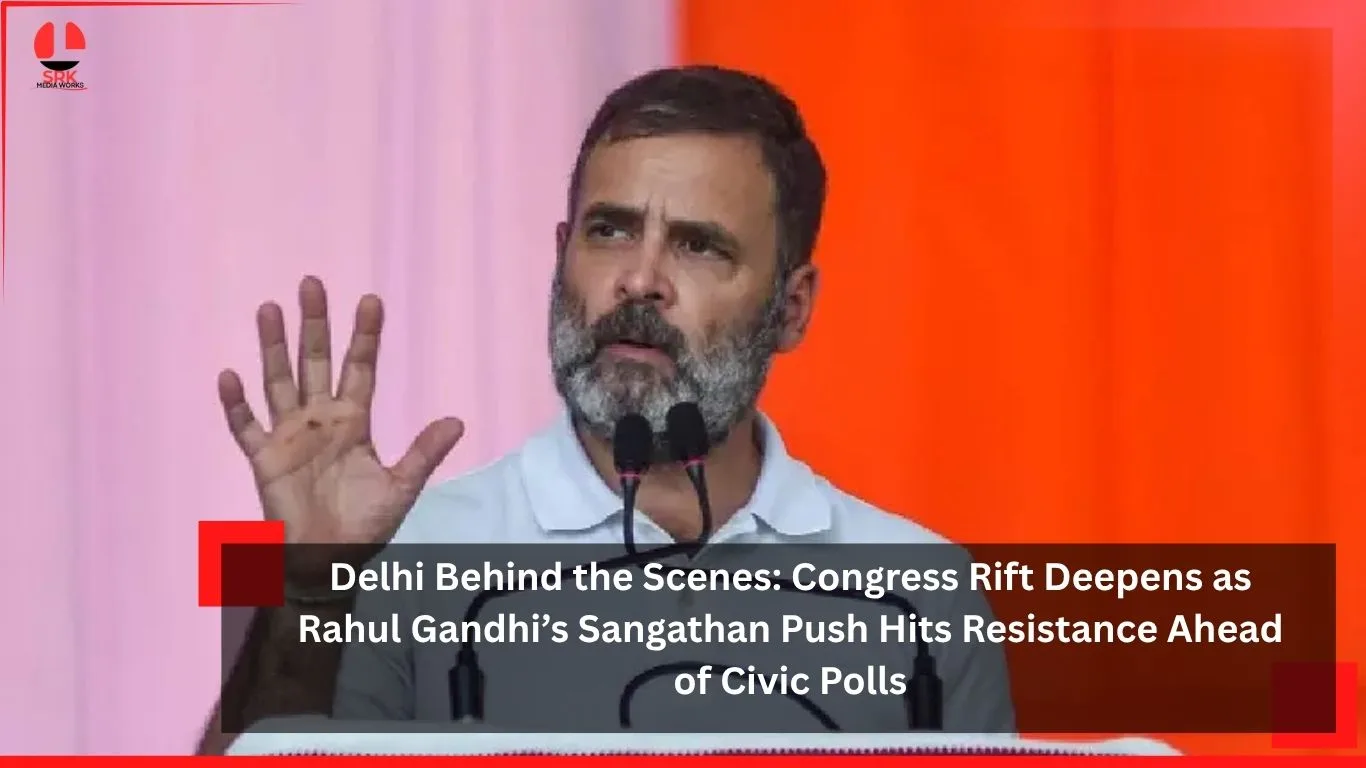
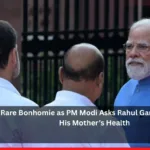

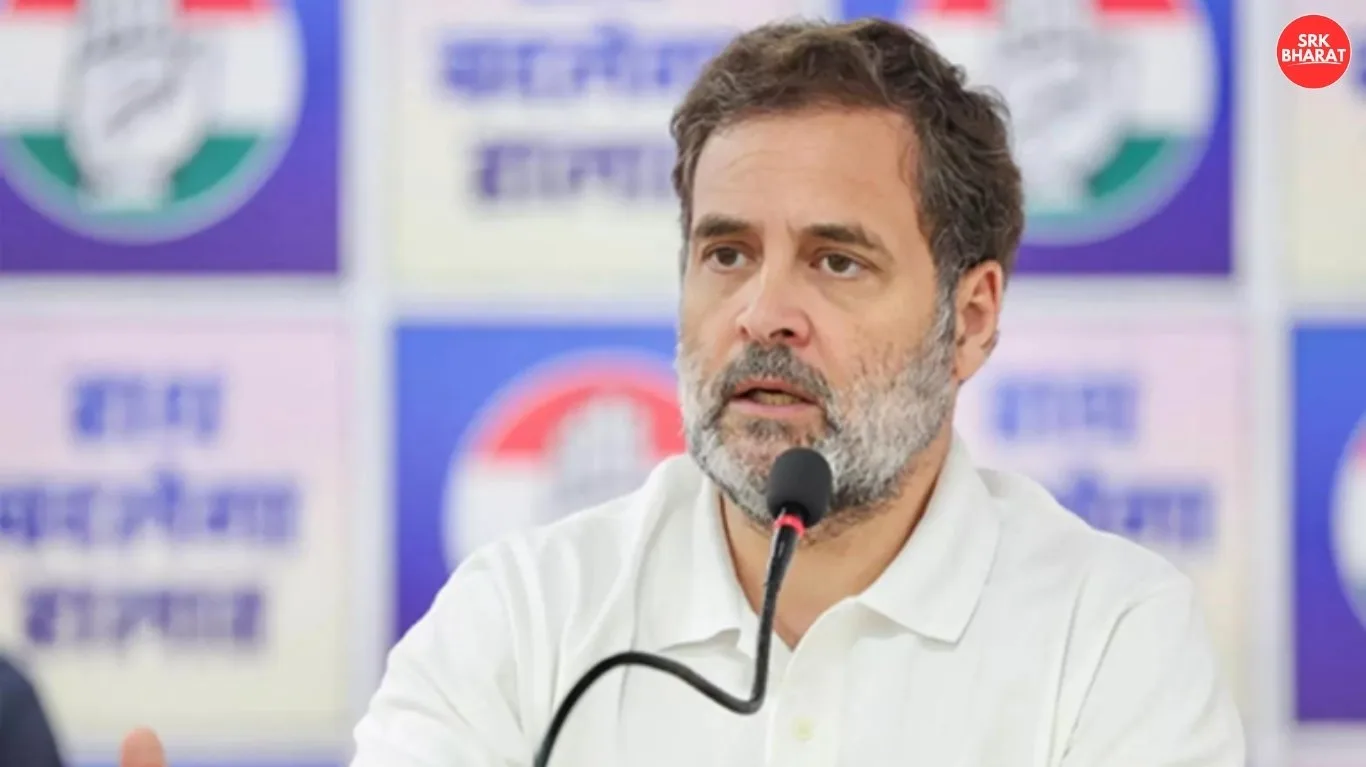
Congress leader Rahul Gandhi has sharply criticised Prime Minister Narendra Modi, saying “This is not North Korea, it is India,” in response to the controversy surrounding the alleged crackdown on a ‘shirtless’ protest. His remarks have reignited political debates about freedom of expression, democratic values, and the government’s handling of dissent.
Background
The row began after reports surfaced of individuals staging a ‘shirtless protest’ to highlight grievances against government policies. The incident quickly became a flashpoint, with opposition leaders accusing the government of suppressing dissent. Rahul Gandhi’s statement draws a stark comparison, suggesting that India’s democratic ethos is being undermined by authoritarian tendencies.
Key Highlights
- Rahul Gandhi’s Statement: “This is not North Korea, it is India.”
- Context: Reaction to alleged crackdown on shirtless protest.
- Political Debate: Opposition vs government over freedom of expression.
- Public Reaction: Divided opinions across social media and political circles.
Comparative Analysis: Political Reactions to Protests in India
| Leader | Statement/Action | Context | Impact |
|---|---|---|---|
| Rahul Gandhi | “This is not North Korea, it is India” | Shirtless protest crackdown | Sparked national debate |
| Mamata Banerjee | Criticised central policies | Farmers’ protests | Reinforced regional opposition |
| Arvind Kejriwal | Called for dialogue | Delhi protests | Positioned as mediator |
| PM Modi | Emphasized discipline | Various protests | Defended government stance |
Impact of Rahul Gandhi’s Statement
| Aspect | Impact |
|---|---|
| Political Climate | Intensified opposition-government rivalry |
| Public Sentiment | Divided between support for dissent and criticism of protests |
| Media Coverage | Amplified debate on democratic freedoms |
| International Perception | Raises questions about India’s democratic image |
| Electoral Dynamics | Could influence voter sentiment in upcoming polls |
Strategic Importance of the Remark
- Political Messaging: Positions Congress as defender of democratic freedoms.
- Opposition Unity: Encourages other parties to rally against government policies.
- Public Awareness: Highlights concerns about freedom of expression.
- Global Attention: Draws international focus on India’s democratic practices.
Challenges Ahead
- Government Response: Likely to dismiss criticism as politically motivated.
- Public Perception: Balancing support for protests with concerns about law and order.
- Opposition Strategy: Ensuring unity in messaging across parties.
- Electoral Impact: Determining whether such remarks resonate with voters.
Future Outlook
Rahul Gandhi’s statement is likely to fuel ongoing debates about India’s democratic values and the government’s approach to dissent. As protests continue to emerge across different sectors, the opposition will use such incidents to question the government’s commitment to freedom of expression. The ruling party, meanwhile, will emphasize discipline and national interest, setting the stage for a heated political battle.
Disclaimer
This article is intended for informational purposes only. It highlights Rahul Gandhi’s criticism of PM Modi amid the shirtless protest row and its political implications. The content does not constitute political endorsement, electoral prediction, or official party position. Readers should rely on verified political statements and credible reports for authoritative details.