









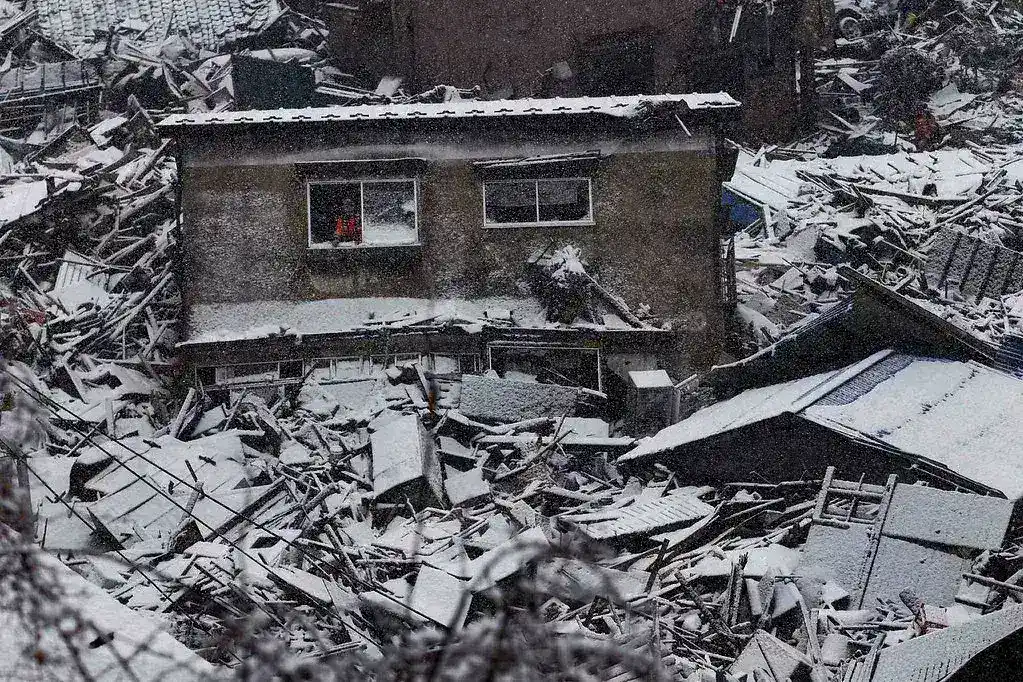
Emergency response teams and local residents in the southern Philippines launched a desperate search for survivors Monday after a powerful 7.8-magnitude earthquake struck the region, toppling buildings and infrastructure. The seismic event, which hit early in the day, has triggered widespread devastation and prompted an urgent mobilization of government relief efforts to reach communities isolated by the collapse of key transport routes.
A Region Prone to Seismic Activity
The Philippines sits squarely on the Pacific ‘Ring of Fire,’ an area known for intense seismic and volcanic activity caused by the movement of tectonic plates. Historically, the archipelago experiences frequent tremors, but a quake of this magnitude represents a significant geological event that tests the structural integrity of local architecture.
Government disaster agencies have long emphasized the need for rigorous building codes in the region. However, the sheer force of a 7.8-magnitude release can overwhelm even modern infrastructure, particularly in rural provinces where traditional building materials remain common.
Emergency Response and The Search for Survivors
Search and rescue operations are currently focused on the hardest-hit urban centers where high-density buildings sustained the most damage. First responders, assisted by military personnel and local volunteers, are using heavy machinery and manual labor to clear debris and locate individuals trapped beneath the rubble.
The scale of the disaster has prompted international monitoring agencies to track the aftermath for potential secondary hazards, including landslides and aftershocks. Hospitals in the vicinity have been placed on high alert to accommodate the influx of patients, while temporary shelters are being erected to house those displaced by the destruction of their homes.
Expert Perspectives on Seismic Resilience
Geologists note that the shallow depth of the earthquake likely exacerbated the shaking intensity felt on the surface. According to the Philippine Institute of Volcanology and Seismology, high-magnitude shallow quakes are particularly dangerous because the energy does not dissipate significantly before reaching populated areas.
Structural engineers point to a critical gap between current building standards and the reality of extreme seismic events. As urban density increases across the southern Philippines, the challenge of retrofitting older structures to withstand such intense lateral forces remains a primary concern for local planning authorities.
Implications for the Future
The immediate aftermath of this disaster will likely trigger a national review of disaster preparedness and building safety protocols. Beyond the immediate recovery phase, the focus will shift toward long-term reconstruction efforts that prioritize seismic-resistant designs in vulnerable provinces.
Industry analysts expect a surge in demand for engineering consulting and resilient construction materials in the coming months. Observers should watch for new government mandates regarding building inspections and potential changes to land-use policies in high-risk zones, as the nation seeks to bolster its defenses against the inevitable recurrence of seismic activity.