
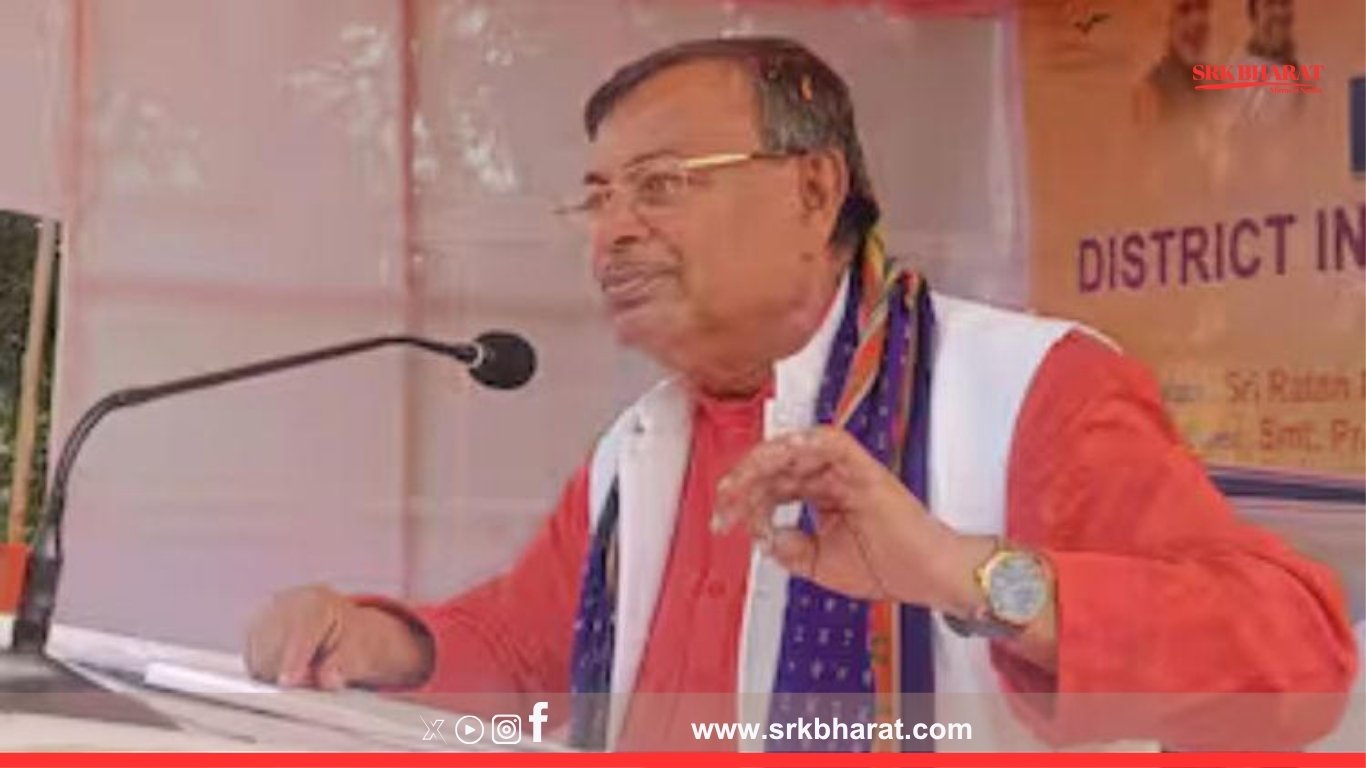
In a significant announcement aimed at uplifting tribal communities, Tripura’s Tribal Welfare Minister Bikash Debbarma confirmed the sanctioning of Rs 141.82 crore under the Development Action for Scheduled Tribes and Other Traditional Forest Dwellers (DAJGUA) scheme. The allocation will focus on education, health, skill development, and infrastructure to bridge socio-economic disparities faced by the indigenous population in the state.
🔍 What Is DAJGUA?
DAJGUA (Development Action for Janjatiya Gram Unnayan Abhiyan) is a flagship scheme under the Ministry of Tribal Affairs, Government of India, aimed at:
- Promoting integrated development of tribal villages
- Ensuring convergence of Central and State schemes for maximum impact
- Fostering self-reliance through livelihood and infrastructure interventions
💡 Highlights Of The Announcement
| Aspect | Details |
|---|---|
| Amount Sanctioned | Rs 141.82 crore |
| Scheme | DAJGUA |
| Beneficiaries | Scheduled Tribes and forest dwellers across Tripura |
| Focus Areas | Education, health, skill development, drinking water, connectivity |
| Announced by | Tribal Welfare Minister Bikash Debbarma |
| Date | July 2, 2025 |
🗣️ Minister’s Statement
While addressing the media at the Civil Secretariat, Minister Bikash Debbarma stated:
“This is one of the largest allocations under DAJGUA for Tripura. It will empower our tribal communities, provide better health and educational facilities, and improve connectivity in remote villages.”
📊 Allocation Break-Up
| Sector | Allocated Amount (Rs Crore) | Key Initiatives |
|---|---|---|
| Education | 48.50 | Upgradation of Ekalavya Model Residential Schools (EMRS), hostels, digital classrooms |
| Health | 30.00 | PHC upgrades, mobile health units, tribal health outreach |
| Skill Development & Livelihood | 20.00 | Tribal youth skill training centres, entrepreneurship grants |
| Drinking Water & Sanitation | 18.12 | Community tap water projects, sanitation drives |
| Connectivity & Infrastructure | 25.20 | Road improvement to tribal hamlets, footbridges, community halls |
📈 Expected Impact Of The Allocation
| Area of Impact | Expected Outcome |
|---|---|
| Literacy Rate | Improvement from current 68% to targeted 80% by 2030 |
| Infant Mortality Rate | Reduction through better healthcare access |
| Employment | Skilling ~12,000 tribal youth for jobs and entrepreneurship |
| Drinking Water | 100% tap water coverage in targeted tribal villages |
| Rural Connectivity | 150+ km of roads and 45 bridges in hilly regions |
🧭 Tribal Population Profile In Tripura
| Parameter | Data |
|---|---|
| Total tribal population | ~11.6 lakh (31.8% of state population) |
| Major tribes | Tripuri, Reang, Jamatia, Chakma, Halam, Mizo |
| Highest tribal concentration districts | Dhalai, North Tripura, Gomati |
| Literacy rate (ST) | ~68% (2011 Census) |
🏫 Education Boost Under DAJGUA
The sanctioned amount will upgrade seven Ekalavya Model Residential Schools (EMRS) with smart classrooms, STEM labs, and vocational skill centres. Two new girls’ hostels will be built in remote Dhalai and Khowai districts to reduce dropout rates among tribal girls after Class 8.
Director of Tribal Welfare, L. Debbarma, stated:
“EMRS upgradation is a gamechanger. It will enable tribal students to compete in national-level exams and higher education opportunities.”
🏥 Healthcare Strengthening
Under the health component:
- Mobile health units will be deployed in forest villages with poor PHC access
- Existing PHCs will receive telemedicine equipment
- Training for tribal health workers will be conducted to address maternal and child health issues in local dialects for effective outreach
💼 Skill Development Initiatives
To tackle unemployment, the DAJGUA allocation will fund:
- Four Skill Development Centres (SDCs) across tribal-dominated blocks
- Training in trades such as handloom weaving, bamboo crafts, food processing, computer applications, and tourism guiding
- Entrepreneurship grants for tribal youth starting micro enterprises in agri-allied sectors
🚰 Drinking Water And Sanitation
With Rs 18.12 crore earmarked, the state aims for:
- 100% tap water connections in tribal households under Jal Jeevan Mission convergence
- Community toilets in all tribal hamlets to eliminate open defecation
🚧 Infrastructure Development
Under connectivity:
- 150 km of roads to be constructed or upgraded in forest interior villages
- 45 footbridges planned to connect remote settlements in hilly terrains
- Community halls and youth clubs for cultural activities and sports promotion
🗣️ Political And Social Reactions
Chief Minister Dr. Manik Saha welcomed the announcement, stating:
“This reflects our commitment to Sabka Saath, Sabka Vikas, Sabka Vishwas, and Sabka Prayas for indigenous communities.”
The Tipra Motha Party (TMP) said while the allocation is welcome, implementation must be transparent, especially in ADC areas.
TMP leader Animesh Debbarma remarked:
“Fund sanction is one step. Ensuring every rupee reaches grassroots beneficiaries without corruption is the real test.”
🔍 Implementation Challenges
| Challenge | Possible Solution |
|---|---|
| Last-mile delivery in remote forest villages | Strengthen coordination with ADC and village councils |
| Contractor-driven works without quality control | Empower village committees to monitor infrastructure projects |
| Low female participation in skilling | Gender-sensitive training and financial incentives |
| Fund leakage risks | Online fund tracking and community social audits |
💬 Tribal Youth Voices
Rina Debbarma, social work student from TTAADC area:
“Health vans and skill centres will really help girls like us who cannot afford to study outside villages.”
Birendra Reang, young farmer leader:
“We want these funds to train us in bamboo value addition and marketing, not just basic crafts.”
✅ Key Takeaways
- Tripura has sanctioned Rs 141.82 crore under DAJGUA for holistic tribal development, focusing on education, health, skilling, drinking water, and connectivity.
- The fund aims to benefit over 11 lakh indigenous people, accelerating socio-economic inclusion and welfare.
- Effective implementation and monitoring remain crucial to transform this allocation into tangible benefits for tribal communities across the state.
🔮 What Next?
The Tribal Welfare Department will issue detailed implementation guidelines by July 10, 2025, after which district-wise allocation and project execution will commence from August onwards. Monitoring committees involving village councils, ADC members, and community elders will be constituted to oversee utilisation and ensure accountability.
📌 Disclaimer
This news article is for informational purposes only. Data has been sourced from official government releases, ministerial statements, and departmental briefings. For detailed policy guidelines and beneficiary lists, readers are advised to refer to notifications from the Tripura Tribal Welfare Department and Ministry of Tribal Affairs, Government of India.