

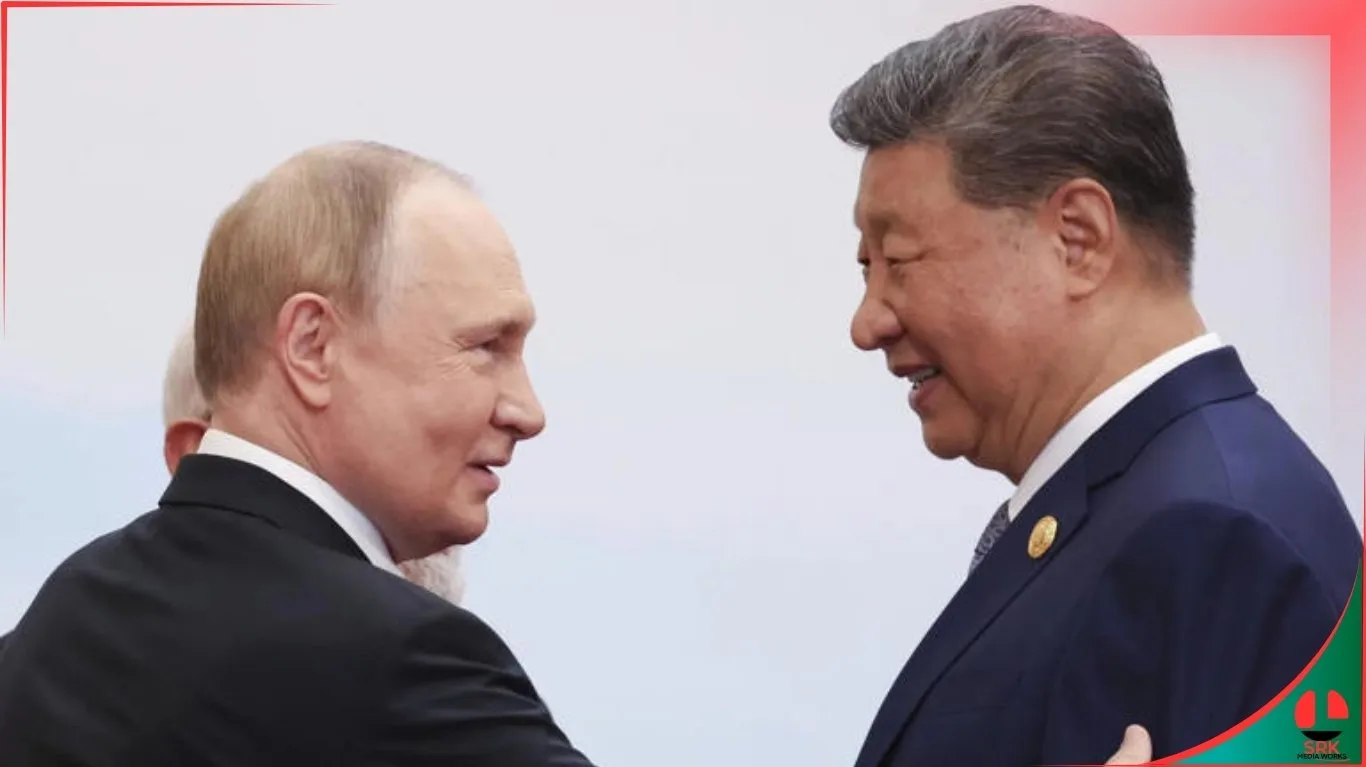
The escalating conflict between the United States, Israel, and Iran has now drawn in two major global powers—Russia and China—as both nations made a bold diplomatic move at the United Nations Security Council (UNSC). The two countries jointly requested an urgent meeting to address what they described as an “unprovoked act of armed aggression” by Washington and Tel Aviv against Tehran.
Background of the Conflict
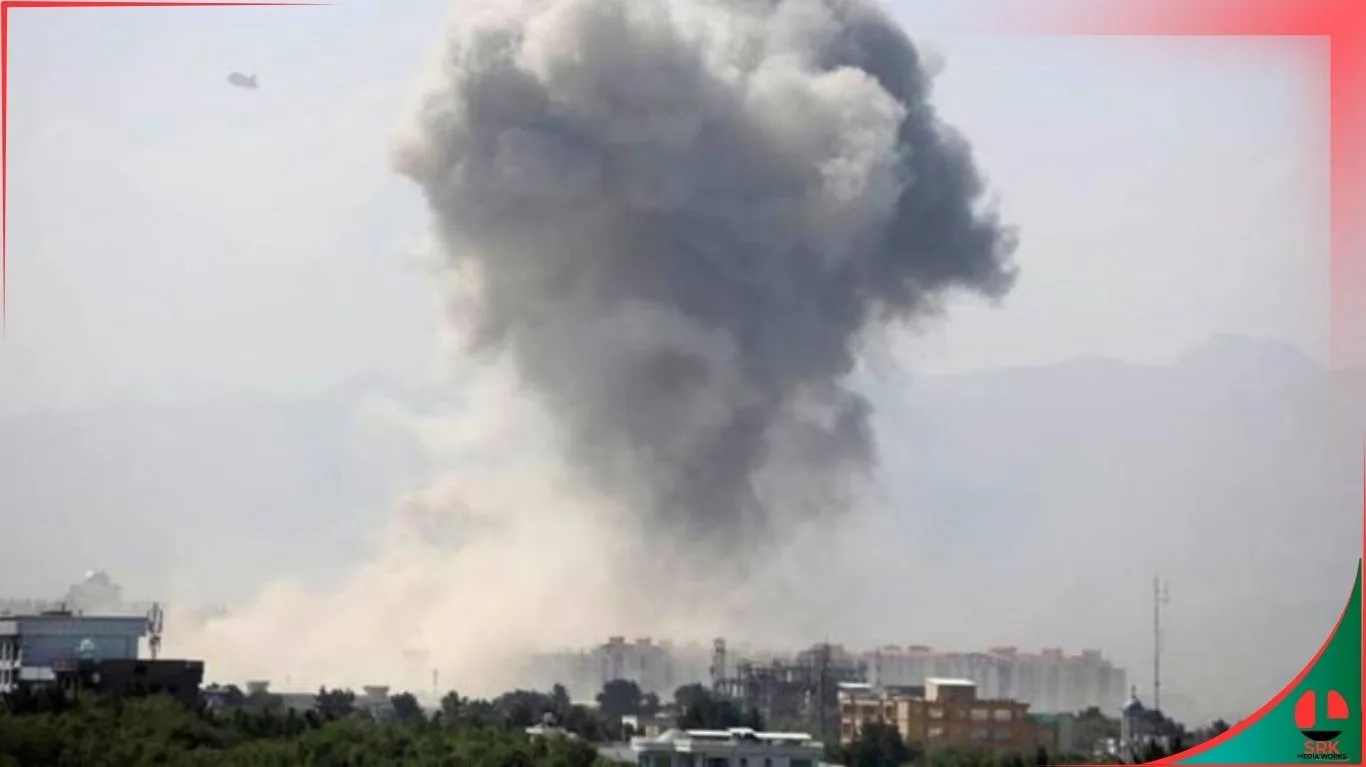
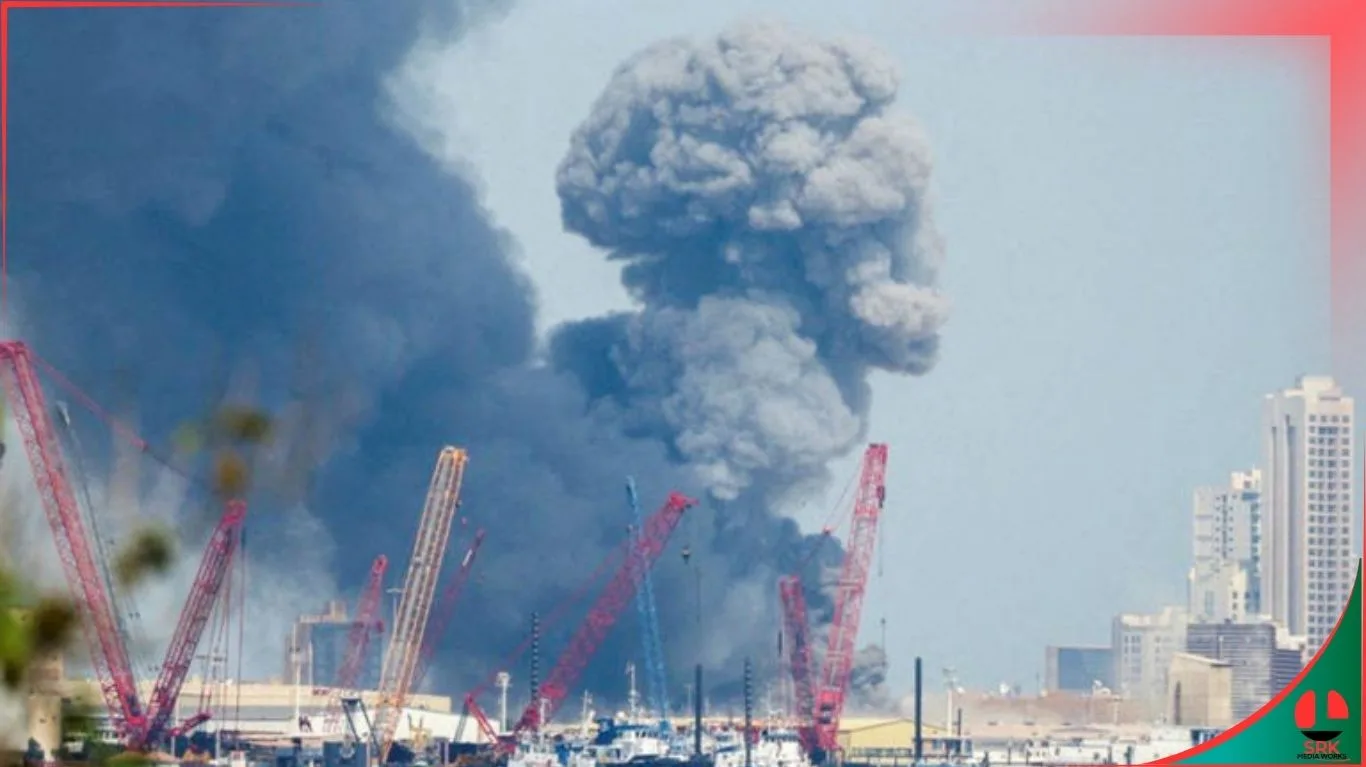
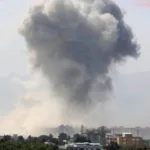
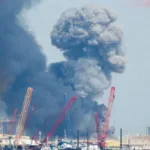
- US–Israel Strikes: Coordinated attacks targeted Iranian missile facilities, sparking retaliatory strikes across Gulf states.
- Iran’s Response: Tehran condemned the strikes as violations of sovereignty and vowed retaliation.
- Global Concern: The escalation has raised fears of a wider Middle East war, with ripple effects on energy markets and regional stability.
Russia and China’s Bold Move
- Emergency UNSC Meeting: Moscow and Beijing demanded an urgent session to discuss the crisis.
- Accusations of Aggression: Both nations labeled the US–Israel strikes as “armed aggression” against Iran.
- Diplomatic Positioning: Russia and China positioned themselves as defenders of sovereignty and international law, countering Western narratives.
Comparative Analysis of UNSC Positions
| Country | Position | Key Argument | Risks |
|---|---|---|---|
| United States | Defended strikes | Claimed preemptive action against threats | Escalation of war |
| Israel | Supported US | Security concerns over Iran’s missile program | Regional backlash |
| Iran | Condemned strikes | Called civilian deaths “war crimes” | Risk of further retaliation |
| Russia | Opposed strikes | Framed as violation of sovereignty | Heightened East-West tensions |
| China | Opposed strikes | Advocated diplomacy and restraint | Economic fallout in global trade |
| Gulf States | Divided | Some supported US, others urged restraint | Internal GCC divisions |
Implications of Russia–China Involvement
- Geopolitical Polarization: The UNSC is now sharply divided, reflecting broader East-West tensions.
- Energy Security Risks: Russia and China’s stance could influence oil and gas markets, especially with disruptions in the Strait of Hormuz.
- Diplomatic Fallout: Their intervention challenges US dominance in global diplomacy.
- Potential Mediation Role: Both nations may seek to position themselves as mediators in the conflict.
Public and Global Reaction
- Middle East States: Mixed responses, with some Gulf nations supporting US actions while others urged restraint.
- Global Markets: Oil prices surged amid fears of prolonged instability.
- Civil Society: Protests erupted worldwide, with calls to “stop the war on Iran.”
Lessons from the Crisis
- Diplomatic Balance: The UNSC remains a battleground for competing global narratives.
- Neutrality vs. Alignment: Countries must weigh the risks of aligning with either bloc.
- Civilian Protection: Strikes near populated areas highlight humanitarian concerns.
- Energy Dependence: Global reliance on Gulf oil underscores vulnerability during conflicts.
Conclusion
Russia and China’s bold move at the UN Security Council marks a significant escalation in the diplomatic dimension of the US–Iran war. By framing the strikes as aggression and demanding accountability, Moscow and Beijing have deepened global divisions while signaling their intent to challenge Western dominance. As the UNSC debates intensify, the world watches anxiously to see whether diplomacy can prevail over confrontation.
Disclaimer
This article is based on publicly available information and aims to highlight Russia and China’s intervention at the UN Security Council amid the US–Iran conflict. It does not intend to criticize or promote any individual, country, or organization. The content is for informational and educational purposes only, reflecting broader issues in diplomacy, global security, and international relations.