


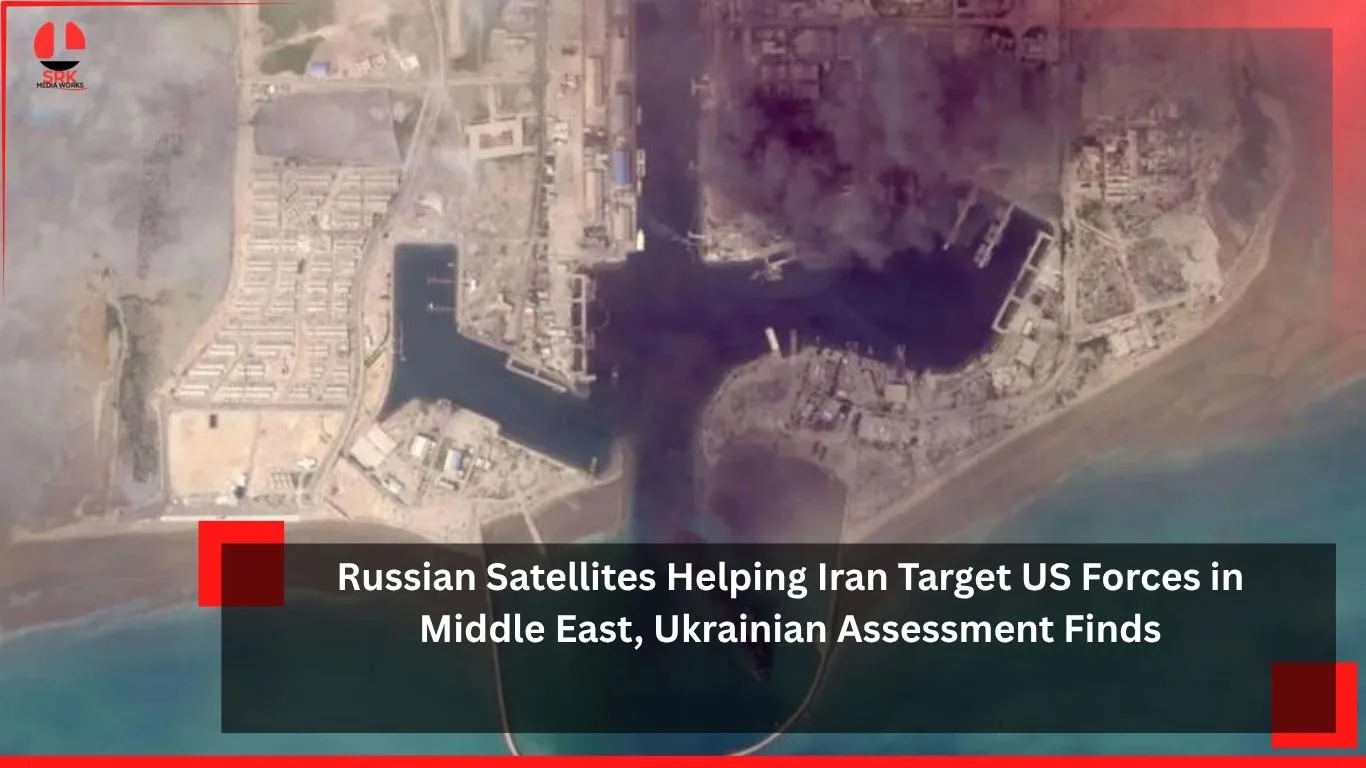
A new assessment from Ukrainian intelligence has revealed that Russian satellites are assisting Iran in targeting US forces across the Middle East. The report suggests that Moscow’s advanced space-based surveillance systems are being leveraged by Tehran to enhance precision in missile and drone strikes, marking a significant escalation in the geopolitical landscape.
Background of the Assessment
The Ukrainian findings highlight growing cooperation between Russia and Iran, two nations that have deepened ties amid Western sanctions and global isolation. Russia’s satellite technology, which includes advanced imaging and geolocation capabilities, is reportedly being shared with Iran to improve targeting accuracy against US military bases and assets in the region.
This revelation comes at a time when tensions between Washington and Tehran are already high, with Iran intensifying its missile threats and the US warning of potential large-scale retaliation.
How Russian Satellites Aid Iran
According to the Ukrainian assessment, Russia’s satellites provide:
- Real-time Surveillance: Monitoring US troop movements and military installations.
- Geospatial Data: Enhancing Iran’s ability to pinpoint targets with precision.
- Communication Support: Facilitating coordination between Iranian proxies and military units.
- Strategic Advantage: Allowing Iran to bypass limitations in its own satellite infrastructure.
Comparative Analysis of Capabilities
| Attribute | Russia’s Satellite Systems | Iran’s Indigenous Capabilities | US Military Assets in Region |
|---|---|---|---|
| Imaging Resolution | High, advanced | Limited, developing | Superior, global coverage |
| Real-time Monitoring | Extensive | Moderate | Extensive, integrated |
| Targeting Accuracy | Enhanced with Russian data | Variable | High precision |
| Strategic Purpose | Support allies, counter US | Regional deterrence | Defense, deterrence |
| Global Perception | Aggressive, destabilizing | Defiant, expansionist | Defensive, stabilizing |
Pivot Analysis of Escalation
| Factor | Before Ukrainian Report | After Ukrainian Report |
|---|---|---|
| US Awareness | Moderate | Heightened |
| Iran’s Capabilities | Limited | Enhanced |
| Regional Stability | Fragile | More volatile |
| Global Attention | Moderate | Intensified |
| Diplomatic Options | Limited | Further reduced |
Reactions from Global Stakeholders
- United States: Expressed concern over Russia’s involvement, warning of consequences for regional security.
- Iran: Denied reliance on external support, claiming self-sufficiency in military technology.
- Russia: Silent on the allegations, but analysts suggest covert cooperation is likely.
- European Union: Called for restraint and renewed diplomatic dialogue.
- Ukraine: Framed the revelation as evidence of Russia’s destabilizing role beyond Europe.
Challenges Ahead
The cooperation between Russia and Iran presents challenges for multiple parties:
- For the US: Countering enhanced Iranian capabilities while avoiding escalation.
- For Iran: Managing reliance on external support while projecting independence.
- For Russia: Balancing covert support with global criticism.
- For Regional Stability: Preventing proxy conflicts from spiraling into direct confrontation.
Broader Implications
This development underscores broader geopolitical themes:
- Alliance Building: Russia and Iran are deepening ties to counter Western influence.
- Technology Transfer: Satellite data sharing enhances military capabilities of allies.
- Regional Instability: Cooperation increases risks of conflict escalation in the Middle East.
- Global Security: US forces face heightened threats, impacting international trade and energy supplies.
Conclusion
The Ukrainian assessment that Russian satellites are helping Iran target US forces in the Middle East marks a significant escalation in global geopolitics. While Iran gains enhanced targeting capabilities, the US faces increased risks to its military assets, and Russia’s role as a destabilizing actor is further highlighted.
The revelation underscores the fragility of Middle Eastern stability and the growing complexity of alliances that challenge Western influence. The coming months will determine whether diplomacy can contain these tensions or whether the region moves closer to open conflict.
Disclaimer
This article is intended for informational purposes only. It is based on publicly available developments and does not represent official statements from the governments of Russia, Iran, the United States, or Ukraine. Readers should rely on official announcements for verified updates.