


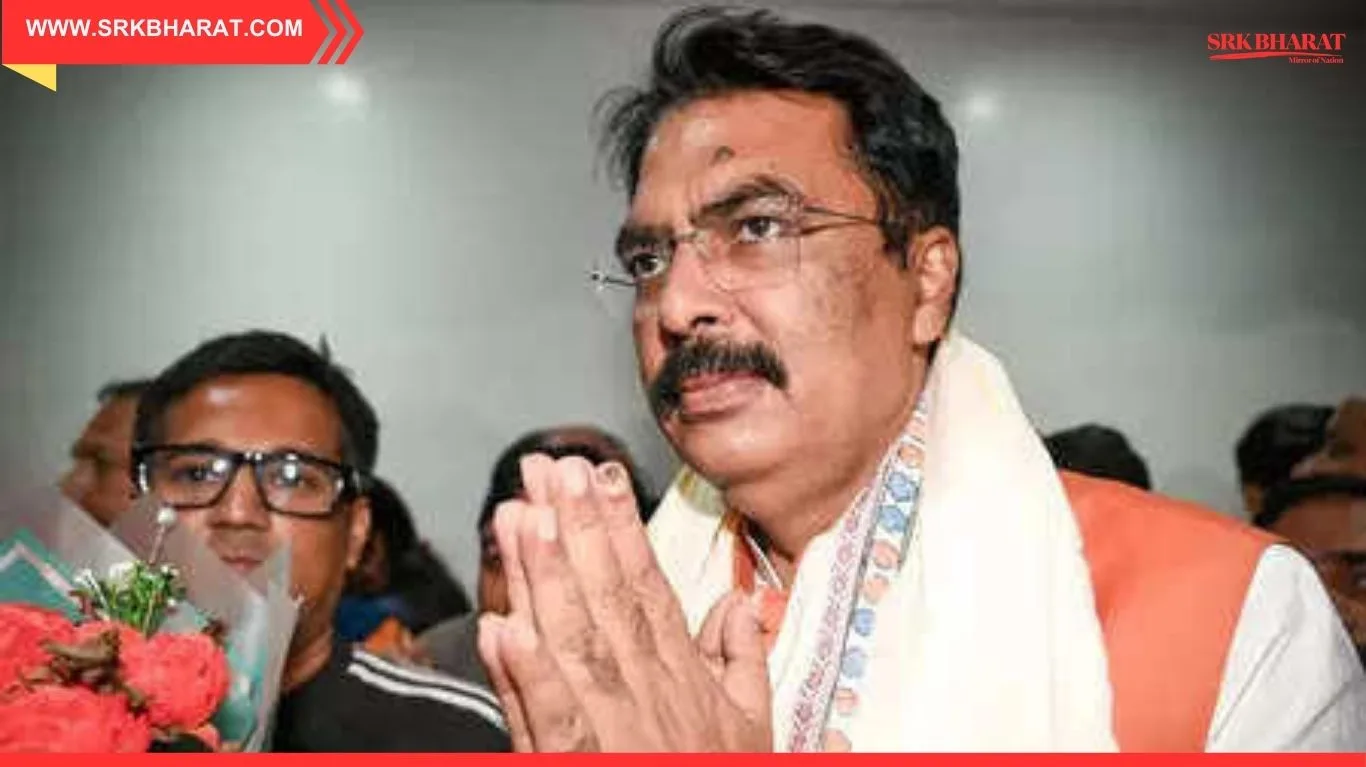
In a symbolic and spiritual gesture ahead of assuming his new role, Saraogi, the newly appointed state BJP chief, embarked on a temple spree across the region before formally taking charge today. His visits to prominent temples highlight the blend of faith, politics, and cultural symbolism that often accompanies leadership transitions in Indian politics. The move has drawn attention from party workers, political analysts, and the public, signaling the beginning of a new chapter for the BJP in the state.
Background of Saraogi’s Temple Visits
- Temple visits have long been a tradition for leaders in India, symbolizing humility, devotion, and a connection with cultural roots.
- Saraogi’s decision to visit multiple temples before taking charge reflects his emphasis on spiritual grounding and cultural outreach.
- The temple spree included stops at historic shrines, local community temples, and places of regional significance.
- His actions are seen as a way to energize party cadres and connect with grassroots supporters.
Key Highlights of the Day
| Indicator | Details |
|---|---|
| Leader | Saraogi |
| Position | State BJP Chief |
| Event | Temple spree before assuming charge |
| Symbolism | Faith, humility, cultural outreach |
| Impact | Energizes party workers, signals new leadership style |
Political and Cultural Impact of Temple Visits
| Factor | Impact on BJP | Impact on Public | Broader Implication |
|---|---|---|---|
| Party Morale | Boosts confidence among cadres | Builds trust in leadership | Strengthens organizational unity |
| Cultural Symbolism | Reinforces traditional values | Resonates with local communities | Highlights blend of faith and politics |
| Media Attention | Positive coverage of leadership transition | Sparks public debate | Shapes narrative of new leadership |
| Political Strategy | Connects with grassroots | Enhances visibility | Positions BJP as culturally rooted |
Why This Temple Spree Matters
- Faith and Politics: In India, temple visits often symbolize a leader’s respect for tradition and culture.
- Public Engagement: Such gestures resonate with communities, strengthening emotional bonds between leaders and citizens.
- Party Strategy: The temple spree energizes BJP cadres and sets the tone for Saraogi’s leadership style.
- Symbolic Transition: It marks the beginning of a new phase for the party under Saraogi’s stewardship.
Saraogi’s Leadership Style
| Attribute | Description |
|---|---|
| Symbolism | Emphasizes cultural and spiritual values |
| Strategy | Grassroots engagement through traditional outreach |
| Public Image | Seen as humble and connected to community |
| Political Messaging | Frames leadership as service rooted in tradition |
Saraogi’s temple spree reflects his broader approach to leadership—combining cultural symbolism with political pragmatism.
Expert Opinions
- Political Analysts: View the temple spree as a strategic move to consolidate support.
- Cultural Commentators: Highlight the importance of temple visits in reinforcing traditional values.
- Party Workers: Express enthusiasm, seeing the gesture as a sign of humility and commitment.
- Citizens: Mixed reactions, with some praising the outreach and others questioning the blend of faith and politics.
Challenges Ahead
- Balancing Symbolism and Governance: Ensuring that cultural gestures are matched with effective leadership.
- Managing Expectations: Party workers and citizens expect tangible results beyond symbolic acts.
- Political Competition: Opposition parties may critique or counter such gestures.
- Organizational Unity: Maintaining cohesion within the party during leadership transition.
Opportunities for BJP Under Saraogi
- Grassroots Mobilization: Strengthening connections with local communities through cultural outreach.
- Cultural Integration: Positioning the party as rooted in tradition and values.
- Leadership Renewal: Energizing cadres with new leadership style.
- Public Trust: Building credibility through humility and symbolic gestures.
Broader Context of Temple Politics in India
- Temple visits have historically been part of political culture in India.
- Leaders across parties often use such gestures to connect with communities.
- The practice reflects the deep intertwining of faith, culture, and politics in Indian society.
- Saraogi’s temple spree is part of this broader tradition, signaling continuity and renewal.
Public Sentiment
- Supporters welcomed Saraogi’s temple spree as a sign of humility and devotion.
- Social media discussions reflected enthusiasm among BJP cadres.
- Critics argued that leadership should focus more on governance than symbolism.
- Overall sentiment highlighted the cultural resonance of temple visits in political transitions.
Conclusion
Saraogi’s temple spree before taking charge as state BJP chief today marks a symbolic and strategic beginning to his leadership. By visiting temples, he has reinforced cultural values, energized party workers, and signaled his approach to leadership rooted in tradition and humility. While challenges remain, the gesture sets the tone for his tenure, blending faith with politics and positioning the BJP for its next phase in the state.
Disclaimer
This article is intended for informational purposes only and does not constitute political or electoral advice. Leadership transitions, symbolic gestures, and political strategies are subject to change based on evolving circumstances. Readers are encouraged to follow official updates for accurate information. The author and publisher are not responsible for any decisions made based on this article.