

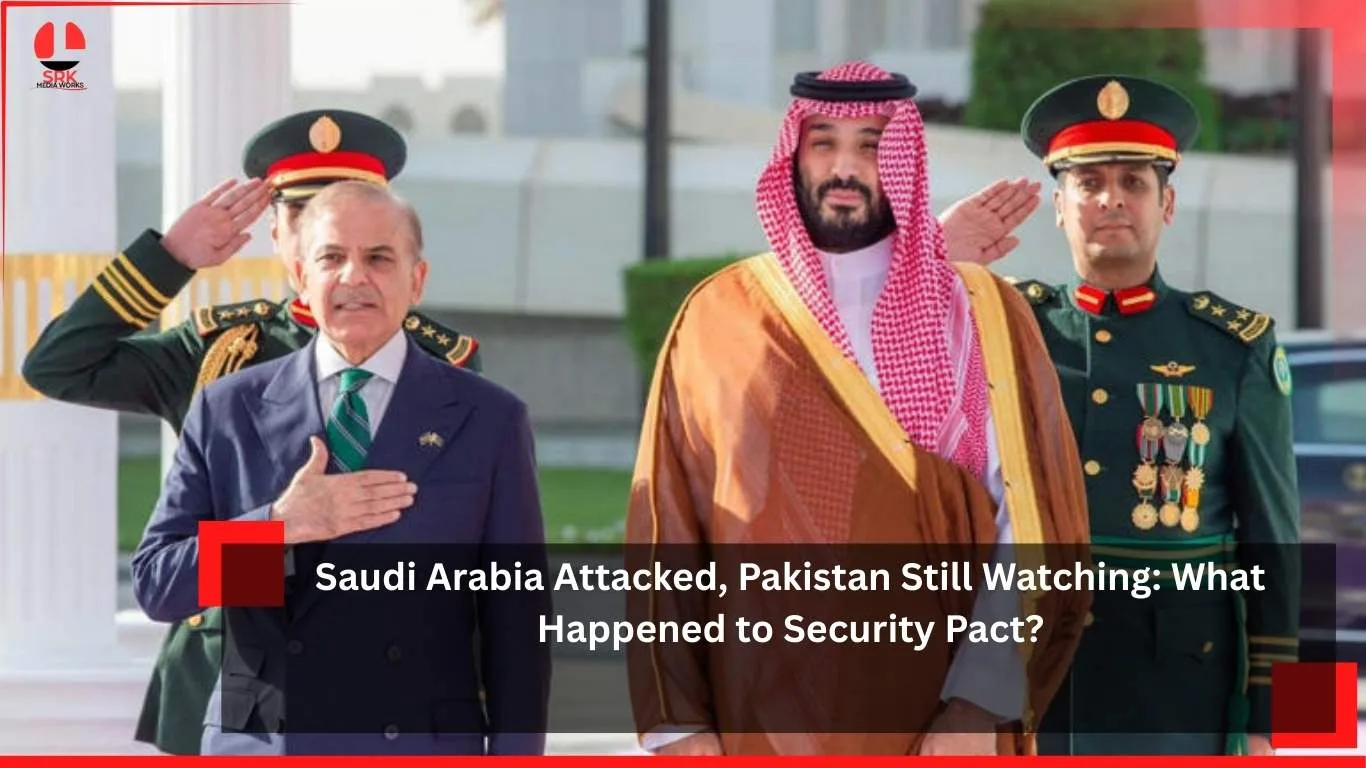
Saudi Arabia has come under attack in recent days, raising urgent questions about the effectiveness of its regional security arrangements and the role of Pakistan in the much-discussed security pact between the two nations. While Riyadh has long relied on Islamabad for military cooperation and strategic support, the latest developments have exposed gaps in the pact and fueled debate about whether Pakistan is willing—or able—to intervene decisively.
Background of the Security Pact
Saudi Arabia and Pakistan share deep historical ties, rooted in religion, defense cooperation, and economic exchanges. Over the years, Pakistan has provided military training, stationed troops in Saudi Arabia, and pledged support in times of crisis. The security pact between the two countries was designed to ensure mutual protection, particularly against external threats.
However, the recent attack on Saudi Arabia has raised questions about the pact’s credibility. Observers note that while Pakistan has expressed solidarity, its actual involvement remains limited, leading to speculation about whether the agreement is symbolic rather than operational.
Nature of the Attack
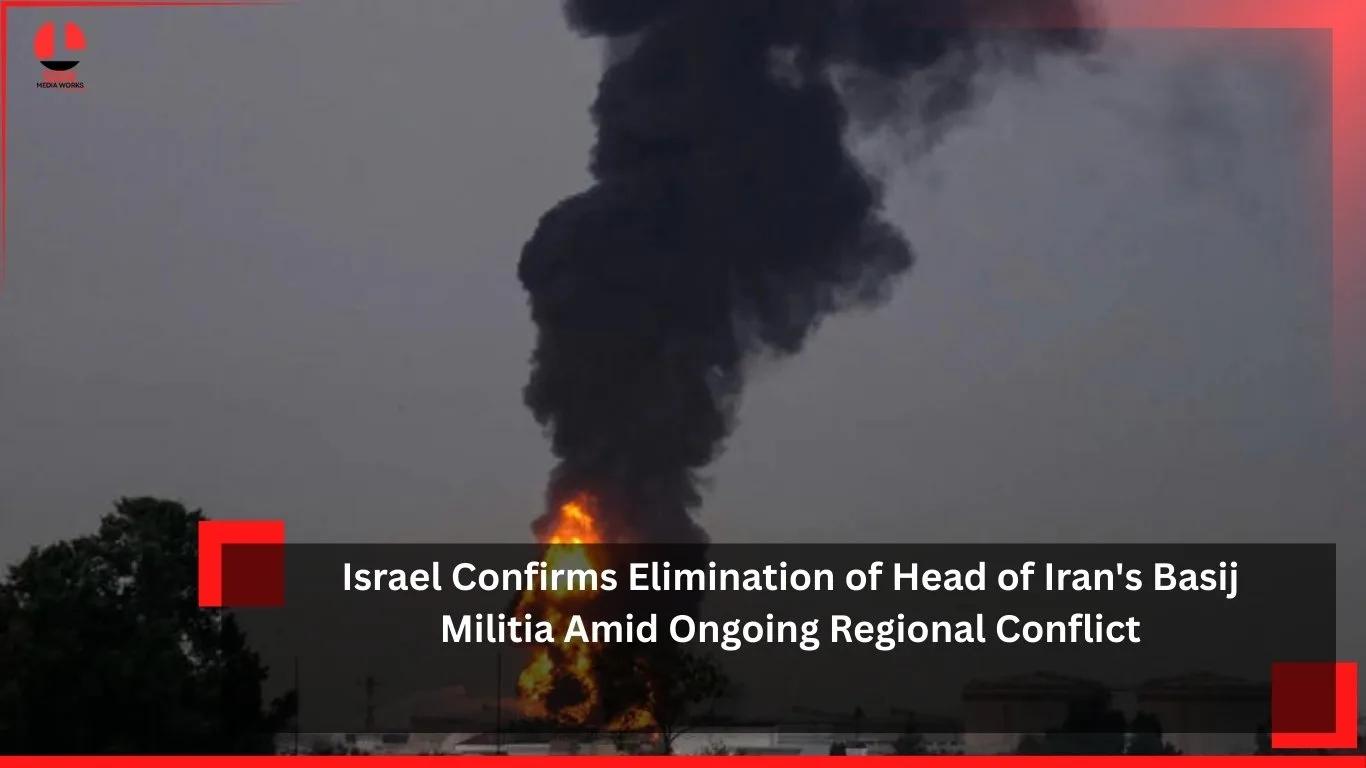
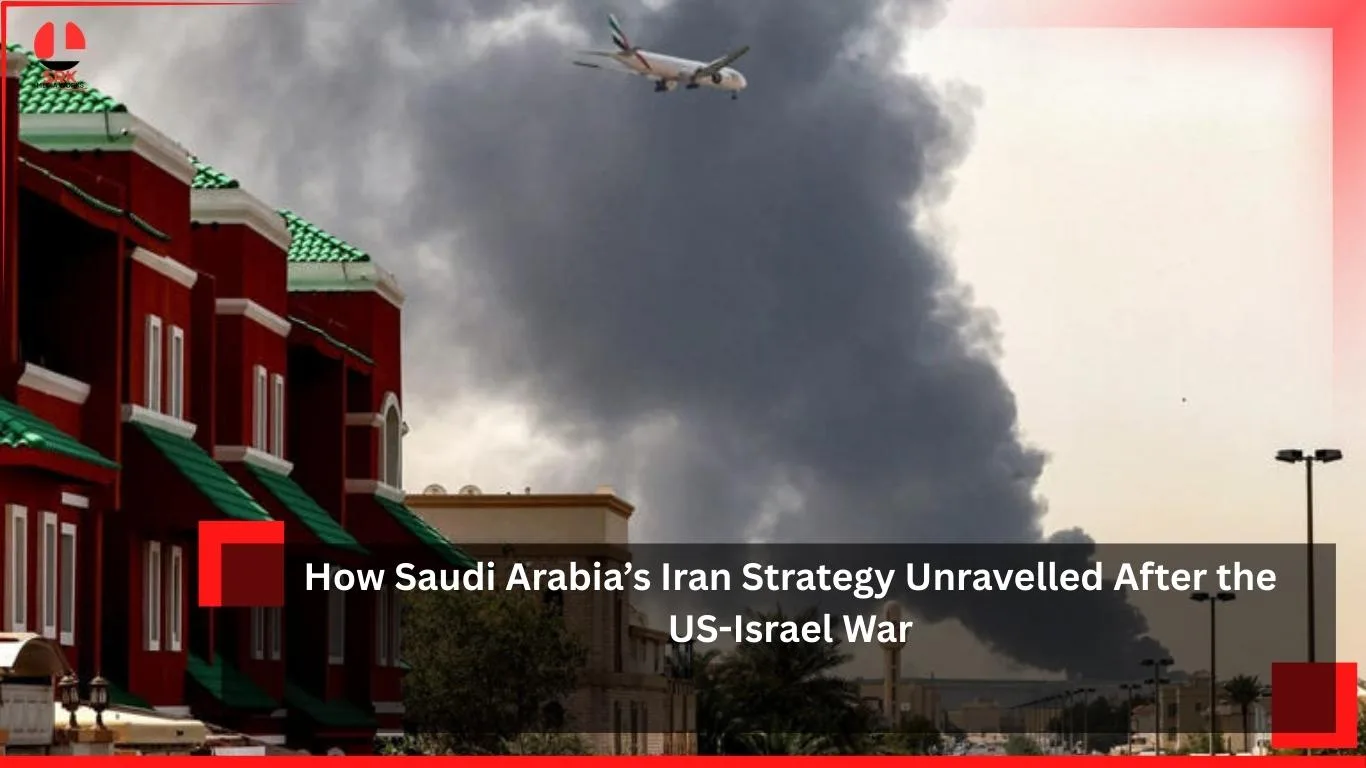
Reports suggest that Saudi Arabia faced coordinated strikes targeting critical infrastructure, including oil facilities and military bases. The attack has disrupted energy supplies and heightened regional tensions. While Riyadh has vowed to respond firmly, the absence of visible Pakistani military support has sparked debate about the pact’s relevance.
Pakistan’s Position
Pakistan’s cautious stance reflects multiple factors:
- Domestic Challenges: Economic instability and internal security issues limit its ability to deploy forces abroad.
- Diplomatic Balance: Islamabad seeks to maintain ties with Iran and other regional players, complicating its role in Saudi conflicts.
- Public Opinion: Domestic sentiment often resists involvement in Middle Eastern wars.
- Strategic Calculations: Pakistan may prefer symbolic support rather than direct military engagement.
Comparative Analysis of Pact Effectiveness
| Dimension | Saudi Arabia’s Expectation | Pakistan’s Response | Impact |
|---|---|---|---|
| Military Support | Immediate deployment of forces | Limited or symbolic backing | Weakens pact credibility |
| Diplomatic Role | Strong condemnation of attackers | Balanced statements | Reduces Saudi confidence |
| Economic Ties | Continued cooperation | Reliance on Saudi aid | Maintains relationship but strains trust |
| Public Perception | Pact seen as protective | Seen as ineffective | Fuels skepticism |
Pivot Analysis of Regional Impact
| Factor | Positive for Saudi Arabia | Negative for Pakistan | Neutral/Global Impact |
|---|---|---|---|
| Security | Reinforces need for stronger alliances | Exposes limitations of pact | Regional instability |
| Diplomacy | Gains global sympathy | Faces criticism for inaction | Highlights fragility of alliances |
| Energy | Pushes for diversification | Loses credibility as ally | Oil prices volatile |
| Military | Justifies defense buildup | Questions about readiness | Global powers monitor closely |
Historical Context
Saudi Arabia has faced repeated attacks on its oil facilities and infrastructure, often blamed on regional adversaries. In past crises, Pakistan’s role has been limited to training and advisory support rather than direct combat involvement. This pattern suggests that the security pact may be more symbolic, designed to reinforce political ties rather than guarantee military intervention.
Possible Scenarios
- Strengthened Pact: Saudi Arabia may push Pakistan to reaffirm its commitment with concrete actions.
- Symbolic Alliance: The pact remains largely diplomatic, with limited military involvement.
- Regional Realignment: Saudi Arabia may seek stronger ties with other allies, including Western powers.
- Domestic Pressure in Pakistan: Public debate may intensify over whether Pakistan should intervene abroad.
Public and Political Reactions
- Saudi Citizens: Expressed frustration over perceived lack of support from allies.
- Pakistani Citizens: Divided, with some urging solidarity and others opposing foreign entanglements.
- Global Analysts: Questioned the credibility of regional security pacts.
- Energy Markets: Reacted nervously, with oil prices showing volatility.
Conclusion
The attack on Saudi Arabia has reignited debate about the effectiveness of its security pact with Pakistan. While the agreement symbolizes deep ties between the two nations, Pakistan’s limited response highlights the challenges of translating diplomatic promises into military action. As Saudi Arabia reassesses its security strategy, the future of the pact will depend on whether Islamabad can balance domestic constraints with regional commitments.
Disclaimer
This article is based on political reports and speculative analysis regarding Saudi Arabia’s recent attack and Pakistan’s role in the security pact. The details of military actions and diplomatic strategies remain subject to official confirmation. The content is intended for informational and analytical purposes only.