




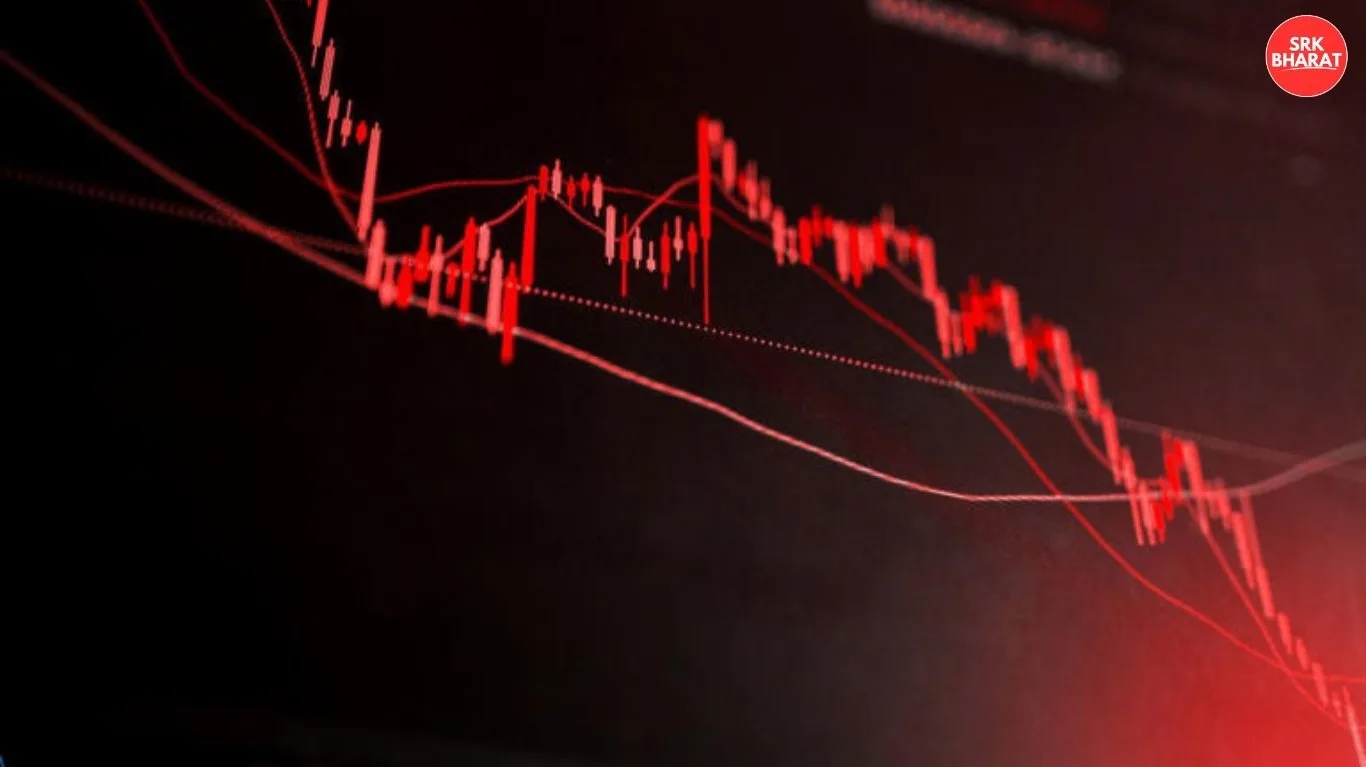
Indian equity markets witnessed a sharp sell-off as the Sensex plunged over 1,100 points and the Nifty slipped more than 1%, rattling investors and triggering concerns about near-term volatility. The decline was broad-based, with heavy selling across IT, banking, energy, and capital goods stocks. Analysts attribute the fall to weak global cues, renewed tariff threats from the US, and sector-specific pressures.
Key Reasons Behind the Market Crash
1. Global Tariff Concerns
Fresh tariff threats from US President Donald Trump reignited fears of a trade war, dampening investor sentiment worldwide. Indian markets, heavily dependent on global trade flows, reacted sharply to the announcement.
2. Weak Global Cues
Global equity markets were under pressure due to uncertainty around US policy announcements and slowing growth indicators. This weakness spilled over into Indian equities, leading to risk-off sentiment.
3. IT Sector Rout
Technology stocks bore the brunt of selling, as concerns about AI-driven disruption and global demand slowdown weighed on investor confidence.
4. Banking and Financial Pressure
Heavyweights like HDFC Bank and other financial services stocks faced selling pressure, contributing significantly to the Sensex and Nifty decline.
5. Broad-Based Selling
The decline was not limited to one sector. Energy, capital goods, and mid-cap stocks also saw sustained selling, reflecting widespread investor caution.
Comparative Analysis of Sectoral Impact
| Sector | Impact on Market | Key Reasons |
|---|---|---|
| IT | Major decline | AI disruption fears, weak global demand |
| Banking/Finance | Significant fall | Selling in HDFC Bank, NBFC concerns |
| Energy | Moderate decline | Global oil price volatility |
| Capital Goods | Decline | Weak investment sentiment |
| Mid/Small Caps | Mild decline | Broader risk-off sentiment |
Investor Sentiment
- Short-Term Fear: Panic selling triggered by global tariff concerns.
- Medium-Term Outlook: Analysts expect volatility until clarity emerges on US trade policy.
- Long-Term Confidence: India’s domestic growth story remains intact, offering resilience against global shocks.
Broader Implications
- For Retail Investors: Need to exercise caution and avoid panic selling.
- For Institutions: Opportunity to accumulate quality stocks at lower valuations.
- For Policymakers: Highlights vulnerability of Indian markets to global trade tensions.
Long-Term Outlook
Despite the sharp fall, experts believe India’s strong domestic fundamentals—robust GDP growth, rising consumption, and government reforms—will provide stability in the long run. The current correction may be temporary, with potential for recovery once global uncertainties ease.
Disclaimer
This article is a journalistic analysis based on publicly available information. It does not represent financial, investment, or legal advice. Readers are encouraged to consult certified financial advisors and official market updates before making investment decisions.