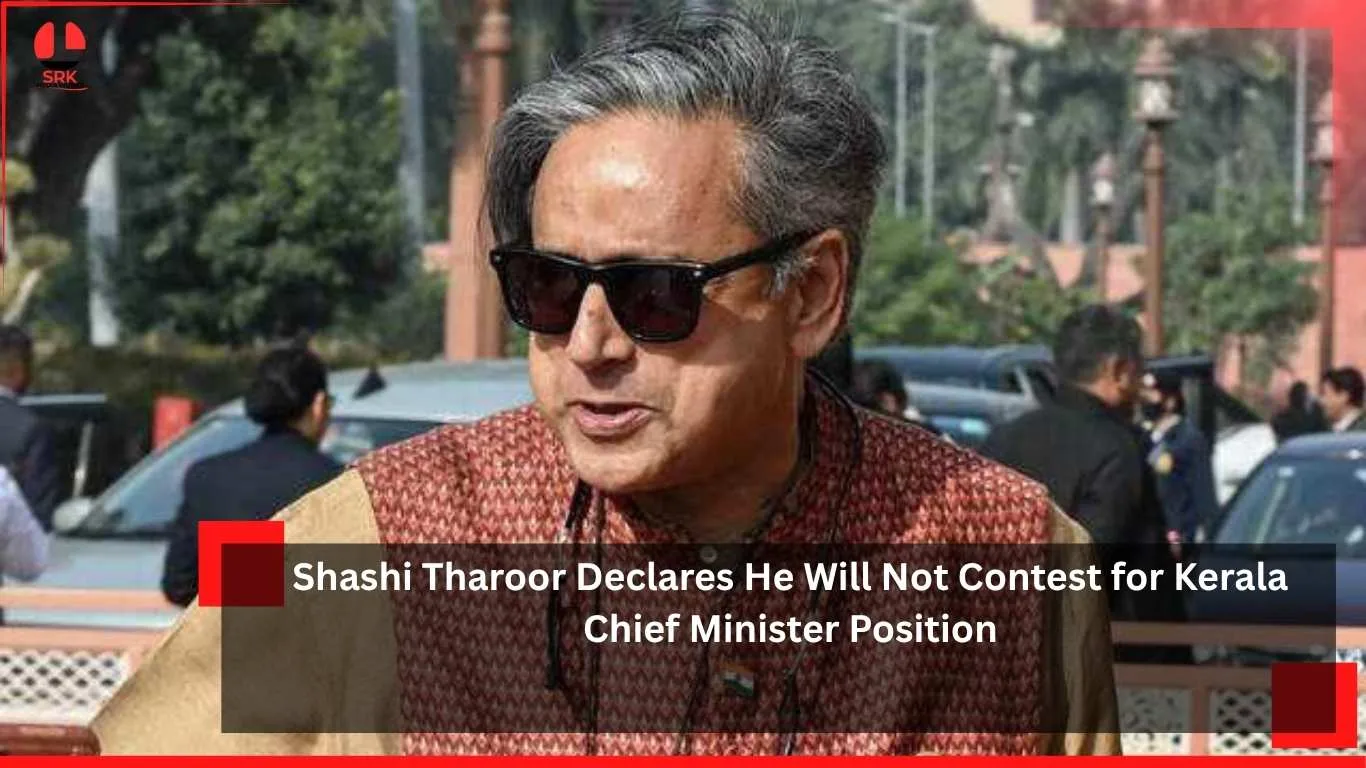




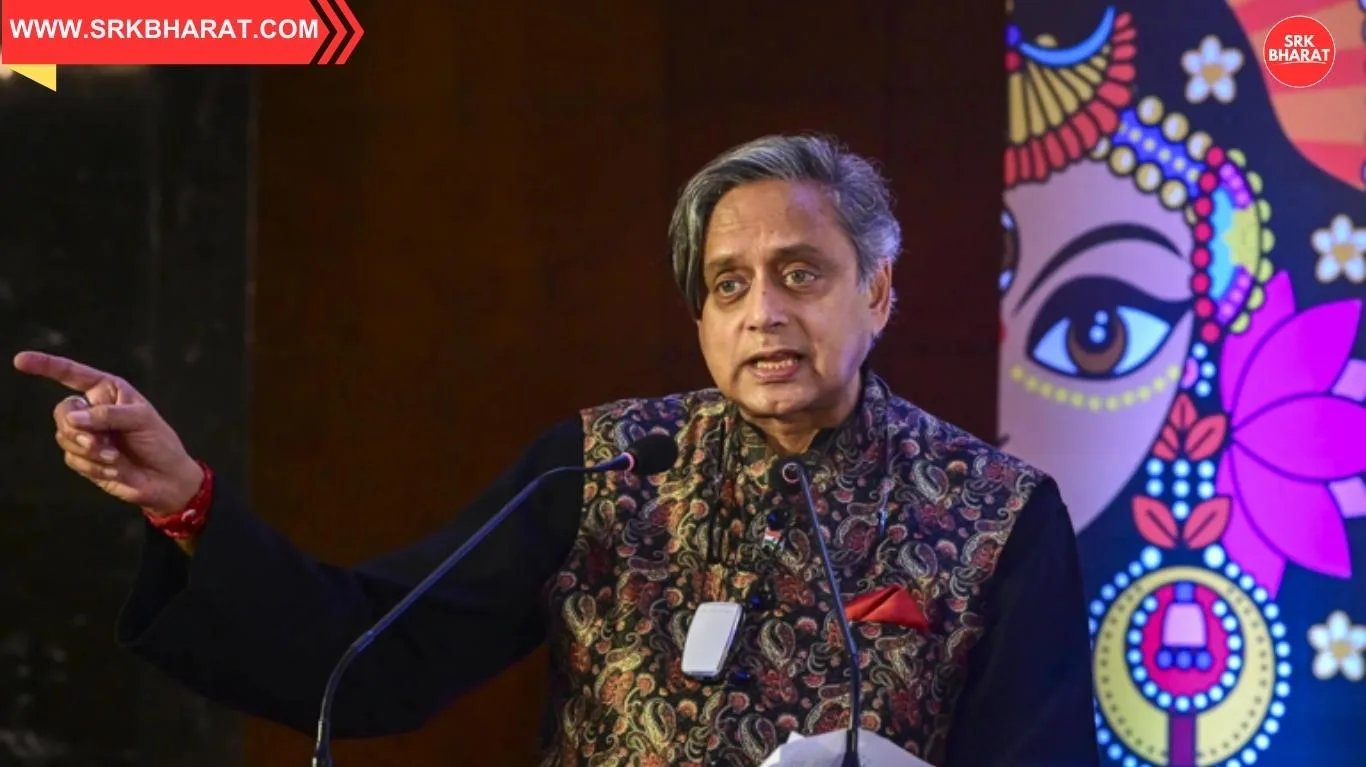
The internal dynamics of the Indian National Congress have once again come under the spotlight after a sharp remark by a party MP suggested that Shashi Tharoor is “not a big part” of the Congress. The statement has triggered debate within political circles, especially as Tharoor, the Trivandrum MP, responded by saying he would speak to the party leadership regarding the issue.
Background of the Controversy
- Shashi Tharoor, a senior Congress leader and MP from Trivandrum, has often been seen as a prominent voice within the party.
- A fellow Congress MP’s remark downplaying Tharoor’s role has sparked speculation about factionalism and internal disagreements.
- Tharoor’s response was measured, stating that he would discuss the matter with party leadership rather than escalate the issue publicly.
- The controversy comes at a time when Congress is attempting to project unity ahead of key electoral battles.
Key Highlights
| Indicator | Details |
|---|---|
| Leader in Focus | Shashi Tharoor, Trivandrum MP |
| Remark by Congress MP | “Tharoor is not a big part” |
| Tharoor’s Response | Will speak to party leadership |
| Context | Internal Congress dynamics |
| Impact | Sparks debate on factionalism |
Remark vs Response
| Factor | Congress MP’s Remark | Tharoor’s Response | Implication |
|---|---|---|---|
| Tone | Sharp, dismissive | Measured, diplomatic | Contrasting approaches |
| Public Perception | Suggests factionalism | Shows restraint | Mixed reactions |
| Party Unity | Questioned | Attempt to preserve | Ongoing challenges |
| Media Coverage | Focus on controversy | Focus on Tharoor’s calm response | Dual narratives |
| Long-Term Outlook | Possible rift | Potential reconciliation | Uncertain trajectory |
Why This Story Matters
- Party Unity: Highlights challenges Congress faces in maintaining cohesion.
- Leadership Dynamics: Reflects differing perceptions of Tharoor’s role.
- Public Messaging: Shows how internal remarks can impact external image.
- Electoral Strategy: Unity is crucial ahead of upcoming elections.
- Future Outlook: Could influence Tharoor’s standing within the party.
Shashi Tharoor’s Perspective
- Tharoor chose not to escalate the controversy publicly.
- His response emphasized dialogue with party leadership.
- The approach reflects his preference for diplomacy over confrontation.
Congress MP’s Remark
- The remark that “Tharoor is not a big part” was interpreted as dismissive.
- It sparked speculation about factionalism within the party.
- Critics argue such statements weaken Congress’s public image.
Expert Opinions
- Political Analysts: Suggest the remark reflects deeper factional tensions.
- Media Commentators: Note that Tharoor’s measured response may help defuse the situation.
- Party Insiders: Emphasize the need for unity and discipline.
- Critics: Argue that Congress must manage internal disagreements more effectively.
Challenges Ahead
- Maintaining Unity: Ensuring internal remarks do not damage public image.
- Leadership Balance: Recognizing contributions of senior leaders like Tharoor.
- Electoral Messaging: Projecting cohesion to voters.
- Factionalism: Addressing underlying tensions within the party.
- Public Trust: Rebuilding confidence among supporters.
Opportunities
- Dialogue: Encouraging internal discussions to resolve differences.
- Leadership Recognition: Highlighting contributions of diverse voices.
- Unity Campaigns: Projecting solidarity ahead of elections.
- Media Strategy: Managing controversies effectively.
- Organizational Reform: Strengthening internal discipline.
Broader Context of Congress Politics
- Congress has faced repeated challenges in maintaining unity.
- Senior leaders like Tharoor often represent reformist voices within the party.
- Internal disagreements frequently become public, impacting electoral strategy.
- The controversy reflects broader struggles in balancing tradition and reform.
Sectoral Breakdown of Impact
| Sector | Impact | Strategic Importance |
|---|---|---|
| Politics | Internal rift | Shapes party narrative |
| Media | Amplified coverage | Drives public discourse |
| Public Perception | Mixed reactions | Influences voter trust |
| Party Organization | Need for discipline | Ensures cohesion |
| Elections | Potential impact | Shapes strategy |
Media Coverage
- Headlines emphasize the sharp remark and Tharoor’s diplomatic response.
- Analysts debate whether the controversy reflects deeper factionalism.
- Coverage highlights Congress’s ongoing struggle for unity.
- The story continues to dominate discussions in political circles.
Conclusion
The remark that “Tharoor is not a big part” of Congress has sparked debate about internal dynamics within the party. Shashi Tharoor’s measured response, stating he would speak to party leadership, reflects his preference for diplomacy and dialogue. For Congress, the controversy underscores the challenge of maintaining unity and projecting cohesion ahead of elections. The outcome of this internal debate could shape both Tharoor’s role and the party’s broader strategy.
Disclaimer
This article is intended for informational purposes only and does not constitute political or professional advice. Statements, remarks, and outcomes are subject to change based on evolving circumstances. Readers are encouraged to follow official updates for accurate information. The author and publisher are not responsible for any decisions made based on this article.