





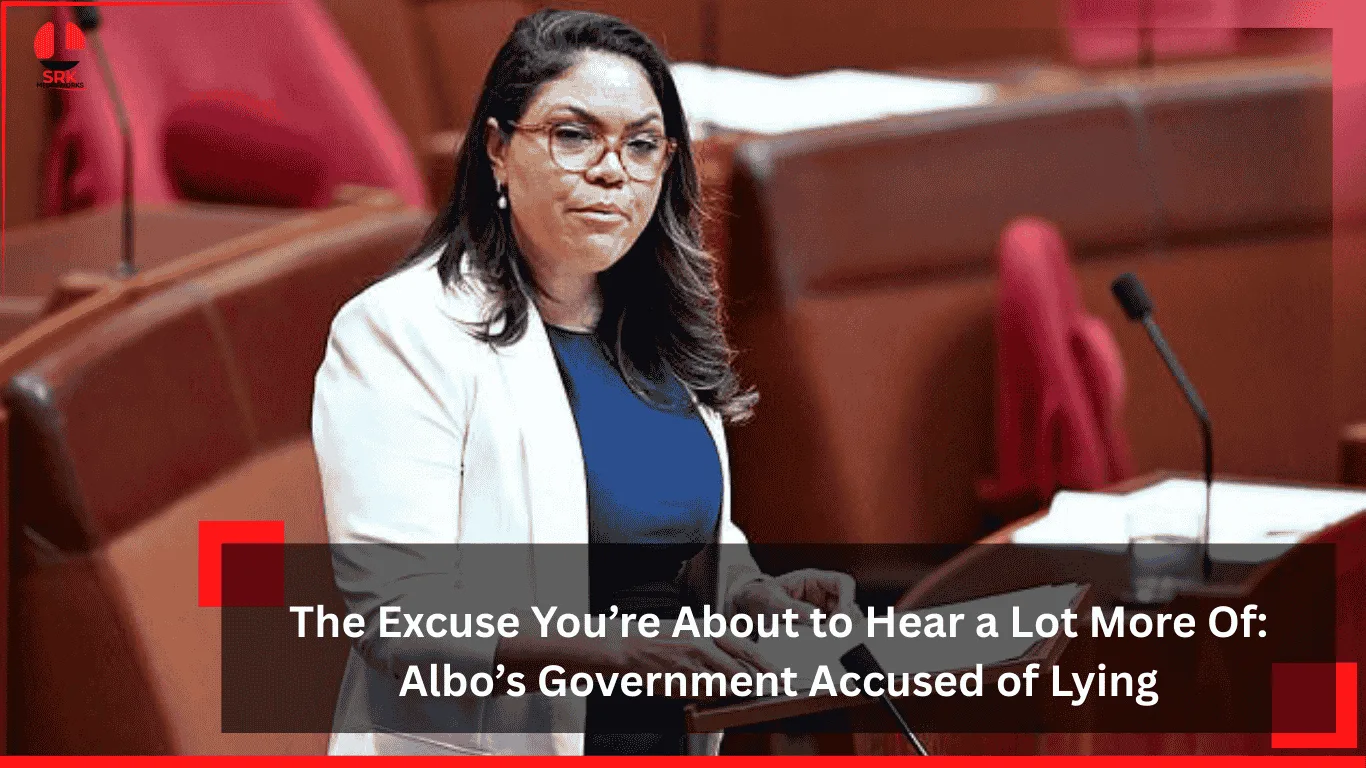
Australia’s political landscape has been rocked by fresh allegations that Prime Minister Anthony Albanese’s government has misled the public on key policy matters. Critics argue that the administration has relied on half-truths and shifting narratives, fueling accusations of dishonesty. Supporters, however, maintain that the government is navigating complex challenges and that claims of lying are politically motivated.
Background of the Allegations
- Policy Shifts: Several government initiatives, ranging from energy transition to housing affordability, have faced criticism for inconsistencies between promises and delivery.
- Public Perception: Opposition parties have seized on these issues, accusing the Albanese government of deliberately misleading voters.
- Media Scrutiny: Headlines increasingly frame the administration as evasive, suggesting that “lying” may become a dominant narrative in political discourse.
Strategic Importance of the Debate
- Trust in Governance: Allegations of dishonesty erode public confidence in institutions.
- Political Capital: The government risks losing credibility, which could impact future reforms.
- Opposition Leverage: Rival parties are likely to amplify the narrative to gain electoral advantage.
Comparative Analysis of Political Narratives
| Government Action | Promise Made | Criticism Raised | Public Impact |
|---|---|---|---|
| Energy Transition Policy | Rapid move to renewables | Delays in implementation | Frustration among climate activists |
| Housing Affordability | Affordable housing schemes | Rising rents, limited progress | Discontent among urban voters |
| Cost-of-Living Relief | Promised subsidies | Inflation remains high | Pressure on households |
| Foreign Policy Stance | Transparent diplomacy | Accusations of mixed messaging | Confusion among observers |
Business Impact Projection in Political Terms
| Factor | Short-Term Impact | Long-Term Impact |
|---|---|---|
| Public Trust | Decline due to allegations | Potential erosion of democratic confidence |
| Opposition Strategy | Stronger attacks on credibility | Electoral advantage if narrative persists |
| Government Stability | Increased scrutiny | Need for transparency reforms |
| Media Landscape | Heightened coverage | Long-term framing of government image |
Industry Context
- Global Parallels: Allegations of dishonesty are not unique to Australia; governments worldwide face similar accusations when promises clash with realities.
- Media Amplification: The role of media in shaping narratives is critical, often magnifying inconsistencies into perceived lies.
- Public Sentiment: In an era of instant information, voters are less forgiving of perceived dishonesty.
Expert Insights
Political analysts suggest that while accusations of lying are common in adversarial politics, the Albanese government must address transparency concerns head-on. Failure to do so could cement the narrative and weaken its ability to push reforms.
Future Outlook
- Government Response: Expect stronger communication strategies to counter allegations.
- Opposition Tactics: Rival parties will continue to frame the government as dishonest.
- Electoral Impact: The narrative could influence voter sentiment in upcoming elections.
Conclusion
The accusation that Anthony Albanese’s government is lying represents more than just political rhetoric—it reflects a growing tension between promises and delivery. Whether the narrative is fair or exaggerated, it underscores the importance of transparency in governance. As the debate intensifies, Australians may hear this excuse far more often, shaping the political climate in the months ahead.
Disclaimer
This article is intended for informational purposes only and should not be construed as political endorsement or advice. Allegations of dishonesty are subject to interpretation, political context, and ongoing developments. Readers are encouraged to follow credible updates for the latest information.