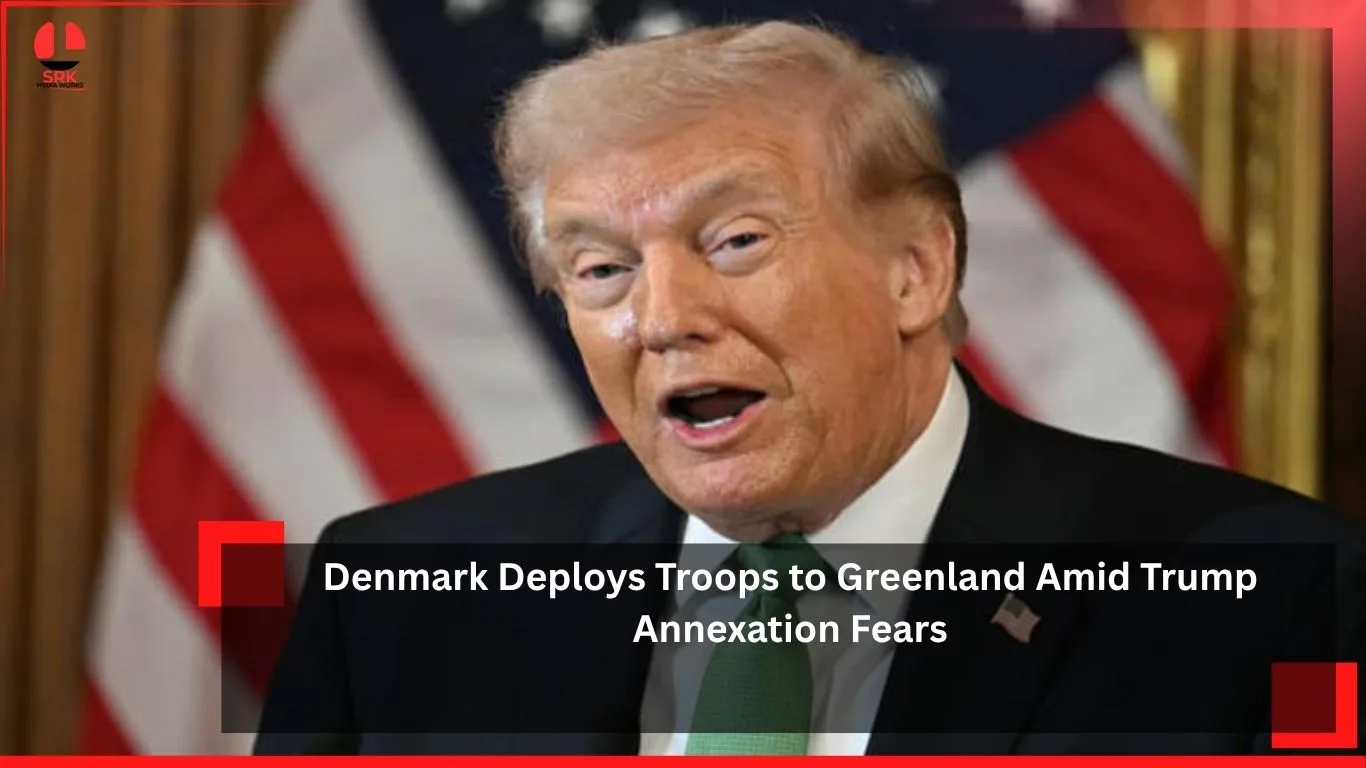

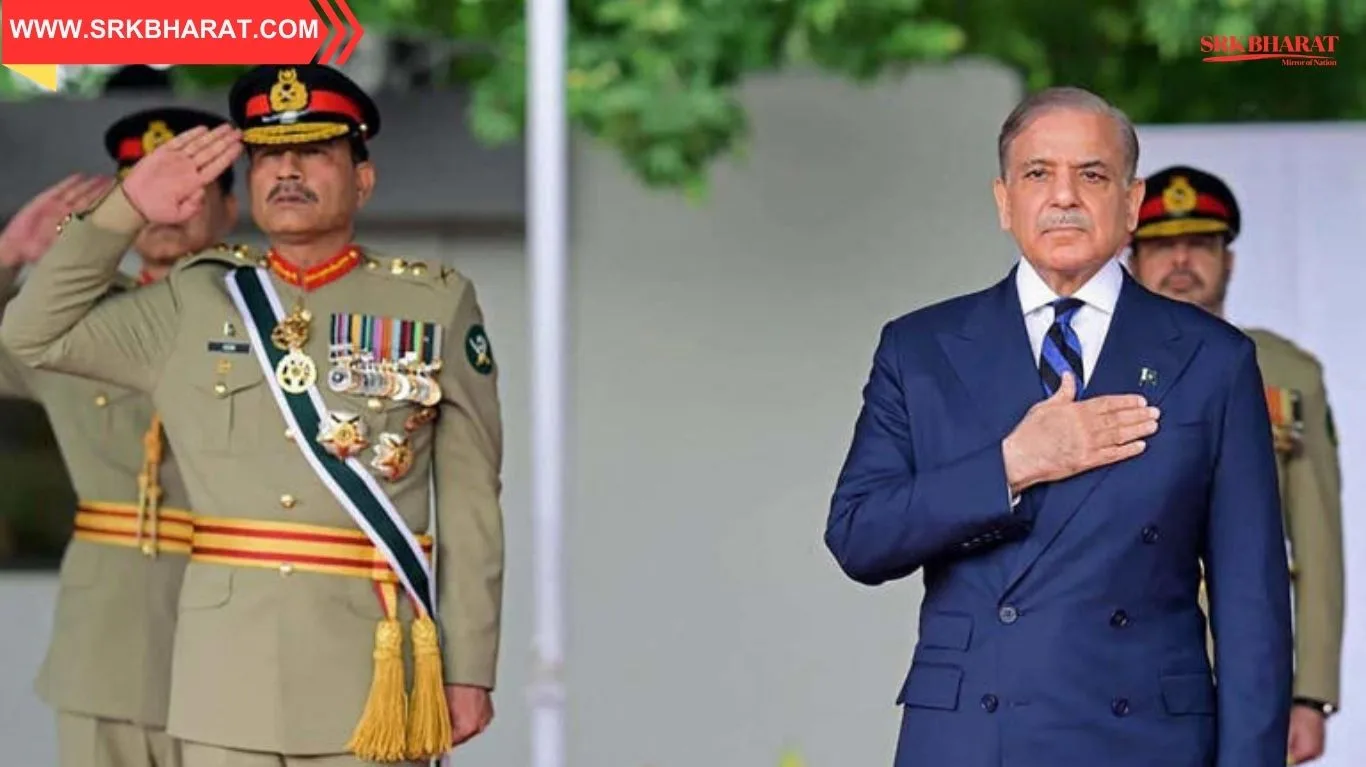
Pakistan finds itself in a paradoxical situation that has sparked widespread debate both domestically and internationally. On one hand, the country is reportedly prepared to pay $1 billion for a seat on former U.S. President Donald Trump’s newly announced ‘Board of Peace’, a global initiative aimed at fostering dialogue and cooperation. On the other hand, Pakistan is simultaneously seeking $2.2 billion in financial aid from the United Arab Emirates (UAE) to stabilize its struggling economy. This juxtaposition has raised questions about priorities, governance, and the symbolism of investing in prestige while grappling with pressing economic challenges.
Background of the Situation
- Pakistan’s economy has been under severe strain, with rising inflation, dwindling foreign reserves, and mounting debt obligations.
- The government has been actively seeking financial assistance from allies, including the UAE, Saudi Arabia, and China.
- At the same time, reports suggest Pakistan is willing to commit $1 billion to secure a seat on Trump’s ‘Board of Peace’.
- Critics argue that the move reflects misplaced priorities, while supporters claim it could enhance Pakistan’s global visibility and diplomatic leverage.
Key Highlights
| Indicator | Details |
|---|---|
| Initiative | Trump’s ‘Board of Peace’ |
| Pakistan’s Contribution | $1 billion for a seat |
| Aid Request | $2.2 billion from UAE |
| Economic Context | High inflation, debt crisis, low reserves |
| Public Sentiment | Mixed – criticism of priorities, hope for global recognition |
Symbolism vs Reality
| Factor | Symbolism (Board of Peace) | Reality (Economic Aid) | Implication |
|---|---|---|---|
| Financial Commitment | $1 billion prestige investment | $2.2 billion aid request | Contradictory priorities |
| Global Visibility | Enhanced diplomatic presence | Reliance on external support | Image vs dependency |
| Domestic Impact | Limited direct benefit | Crucial for economic stability | Public frustration |
| Political Narrative | Prestige and recognition | Survival and recovery | Mixed messaging |
| International Perception | Ambitious global role | Fragile economic footing | Credibility questioned |
Why This Story Matters
- Economic Priorities: Highlights the tension between prestige investments and urgent financial needs.
- Public Debate: Sparks discussions about governance and accountability in Pakistan.
- International Relations: Reflects the complexities of balancing global visibility with economic dependency.
- Symbolic Irony: Paying for prestige while seeking aid underscores contradictions in policy.
- Future Outlook: Raises questions about Pakistan’s long-term strategy in global diplomacy and economic recovery.
Pakistan’s Economic Context
- Inflation has surged, affecting everyday citizens.
- Foreign reserves have dropped to precarious levels, limiting import capacity.
- Debt repayments loom large, requiring external assistance.
- The government has turned to allies like the UAE for immediate financial relief.
The ‘Board of Peace’ Initiative
- Announced by Donald Trump as a global platform for dialogue and cooperation.
- Membership reportedly requires significant financial contributions.
- Pakistan’s interest in joining reflects a desire to enhance its diplomatic profile.
- Critics argue the initiative’s tangible benefits remain unclear.
Public and Political Reactions
- Critics: Condemn the decision as irresponsible given Pakistan’s economic crisis.
- Supporters: Claim the move could elevate Pakistan’s global standing.
- Citizens: Express frustration over government priorities, questioning why funds are allocated to prestige rather than relief.
- Analysts: Highlight the irony of seeking aid while spending on symbolic initiatives.
Challenges Ahead
- Economic Stability: Securing aid remains critical for survival.
- Public Trust: Rebuilding confidence among citizens requires transparency.
- Global Credibility: Balancing prestige with practical needs is essential.
- Policy Alignment: Ensuring consistency between domestic priorities and international ambitions.
- Debt Management: Addressing structural issues to reduce reliance on external support.
Opportunities for Pakistan
- Diplomatic Leverage: Use global platforms to strengthen international partnerships.
- Economic Reform: Implement structural changes to reduce dependency.
- Public Engagement: Communicate priorities clearly to rebuild trust.
- Strategic Alliances: Balance prestige initiatives with practical aid negotiations.
- Global Visibility: Enhance Pakistan’s role in peace and cooperation dialogues.
Broader Context of Global Diplomacy
- Countries often balance prestige investments with economic realities.
- Pakistan’s situation highlights the risks of prioritizing symbolism over substance.
- The irony underscores broader challenges faced by nations navigating global recognition and domestic survival.
- International observers question whether such moves enhance credibility or expose contradictions.
Sectoral Breakdown of Impact
| Sector | Impact | Strategic Importance |
|---|---|---|
| Economy | Aid critical for stability | Survival priority |
| Diplomacy | Board of Peace seat | Prestige and visibility |
| Public Sentiment | Frustration over priorities | Trust deficit |
| Governance | Accountability questioned | Policy credibility |
| International Relations | Mixed perceptions | Credibility and alliances |
Media Coverage
- Headlines emphasize the irony of Pakistan’s dual commitments.
- Analysts debate whether the Board of Peace seat is worth the financial cost.
- Coverage highlights the urgency of securing aid from the UAE.
- The story continues to dominate discussions in political and economic circles.
Conclusion
The irony of Pakistan paying $1 billion for a seat on Trump’s ‘Board of Peace’ while seeking $2.2 billion in aid from the UAE encapsulates the contradictions in governance and priorities. While the move may enhance global visibility, it raises serious questions about economic management and accountability. For Pakistan, the challenge lies in balancing prestige with survival, ensuring that symbolic investments do not overshadow urgent domestic needs.
Disclaimer
This article is intended for informational purposes only and does not constitute financial or political advice. Statements, financial estimates, and policy decisions are subject to change based on evolving circumstances. Readers are encouraged to follow official updates for accurate information. The author and publisher are not responsible for any decisions made based on this article.