








California election officials are currently processing millions of outstanding ballots following the recent primary election, a standard administrative process that has once again become the target of baseless claims of fraud from former President Donald Trump and various Republican allies. As of this week, over 2.5 million ballots remain uncounted across the state, delaying final results in critical contests, including the race for the second runoff spot in the gubernatorial election.
Understanding California’s Election Infrastructure
The perception of a “slow” count in California is primarily a byproduct of the state’s expansive access to voting, which prioritizes ballot security and voter participation over immediate results. Unlike states that require in-person voting on a single day, California mandates that all active registered voters receive a mail-in ballot.
State law dictates that ballots postmarked by Election Day are valid as long as they arrive within a seven-day grace period. This legal requirement necessitates a lengthy verification process, as election workers must confirm signatures and ensure the integrity of every envelope before the ballot can be scanned.
The Logistics of Verification
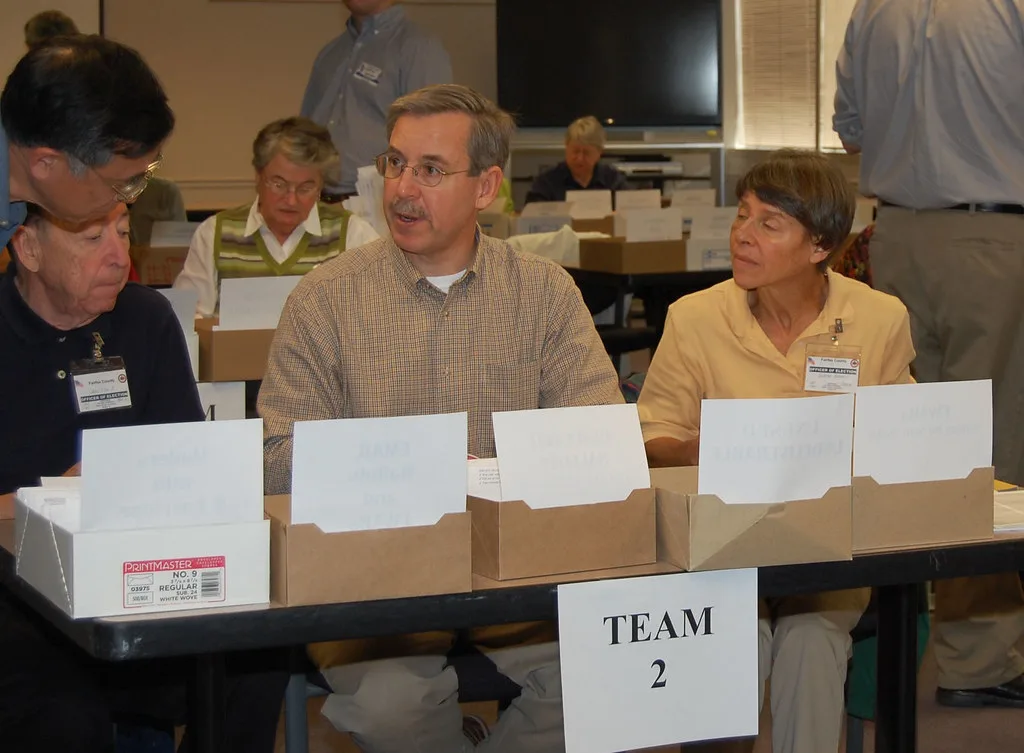
Processing millions of ballots is a labor-intensive operation that involves rigorous security protocols. Election offices must verify the identity of the voter against the registration database, a process that frequently requires manual intervention if a signature is missing or appears inconsistent.
Furthermore, California utilizes a decentralized system where counties manage their own counting procedures under state oversight. This complexity is designed to prevent systemic failures, though it inherently extends the timeline required to reach a final, certified tally. Experts emphasize that the delay is not a sign of irregularity, but rather a reflection of a system built to accommodate high turnout and universal mail-in access.
Expert Analysis on Election Integrity
Election security experts and state officials consistently reject allegations of fraud associated with the slow pace of the count. According to data from the California Secretary of State’s office, the state employs redundant auditing procedures, including post-election risk-limiting audits, to ensure that the final result matches the physical paper trail.
“The time taken to count is a feature of our commitment to accuracy, not a bug,” says a spokesperson for the California Election Officials Association. By allowing time for mail-in ballots to arrive and for provisional ballots to be vetted, the state minimizes the risk of disenfranchisement, even at the cost of immediate media projections.
Implications for Future Cycles
The ongoing discourse surrounding California’s vote count suggests that public expectations regarding election timelines will remain a point of friction. As political candidates continue to leverage these delays to cast doubt on institutional integrity, election administrators face the dual challenge of maintaining high security while combating misinformation.
Observers should watch for potential legislative efforts to modernize the verification process through increased automation, though such changes must balance speed with the strict security mandates that California voters currently demand. As the state moves toward final certification, the focus will likely shift to how these administrative procedures can be better communicated to the public to prevent the erosion of trust in democratic outcomes.