







The 2026 World Cup Landscape
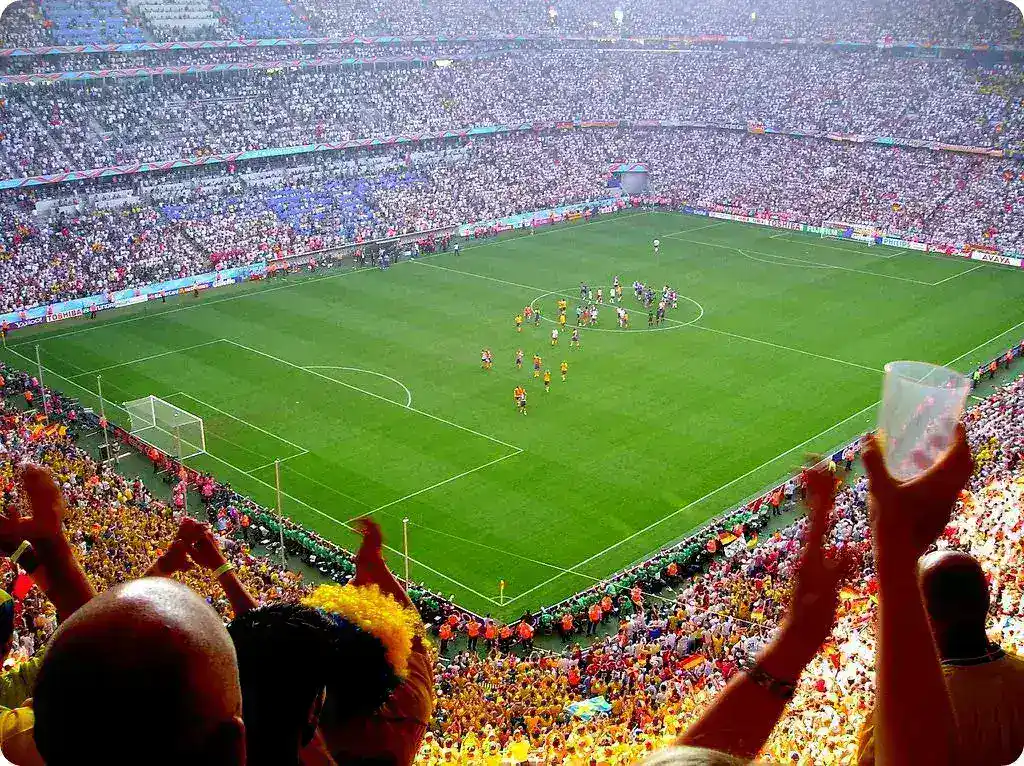
As the international football community turns its attention toward the 2026 FIFA World Cup, hosted jointly by the United States, Canada, and Mexico, national teams are intensifying their preparations for the expanded 48-team tournament. With the global stage set for a historic summer, traditional powerhouses like Brazil are eyeing a record-extending sixth title, while host nation Mexico faces immense pressure to deliver a strong performance on home soil.
Setting the Historical Context
The 2026 edition marks a significant evolution in FIFA’s flagship event, moving from the traditional 32-team format to a record 48 participants. This expansion aims to increase global representation, though it simultaneously complicates the path to the trophy for established giants. Teams are currently navigating grueling qualification cycles, with the stakes higher than ever for nations attempting to break long-standing historical patterns.
Brazil’s Quest and Host Nation Ambitions
Brazil enters the cycle with the singular goal of erasing the heartbreak of previous exits and securing their sixth world title. The Seleção continue to integrate a new generation of attacking talent to complement their tactical discipline. Meanwhile, Mexico, as one of the tournament hosts, carries the weight of a nation eager to witness a deep run. The pressure on the Mexican side is palpable, as they look to leverage home-field advantage to overcome the ’round of 16′ barrier that has haunted them in recent decades.
Rising Contenders and Persistent Struggles
Elsewhere, Switzerland has established itself as a model of consistency, aiming for a fourth consecutive appearance in the knockout stages. Their tactical fluidity has made them a formidable opponent in tournament play. Conversely, Morocco faces the daunting task of replicating its historic semifinal run from Qatar 2022. Having shattered the glass ceiling for African nations, the Atlas Lions now carry the burden of expectation from a global fanbase.
Breaking the Jinx
Scotland remains a focal point for fans hoping to see an end to their persistent group-stage jinx. Despite a resurgence in competitive play, the team struggles to translate their qualifying form into tournament success. Statistics from recent international cycles suggest that depth and squad rotation will play a more critical role than ever in 2026, as the expanded format necessitates a larger pool of reliable players to navigate the grueling schedule.
Future Implications for Global Football
The expansion of the tournament signals a shift toward a more inclusive, albeit more complex, competitive landscape. For the industry, this means increased broadcast reach and a broader commercial footprint across North America. Observers should monitor how the increased travel requirements and localized climates impact player fatigue throughout the month-long competition. The coming months will reveal which nations possess the tactical depth to manage this expanded workload and which will falter under the weight of heightened scrutiny.