
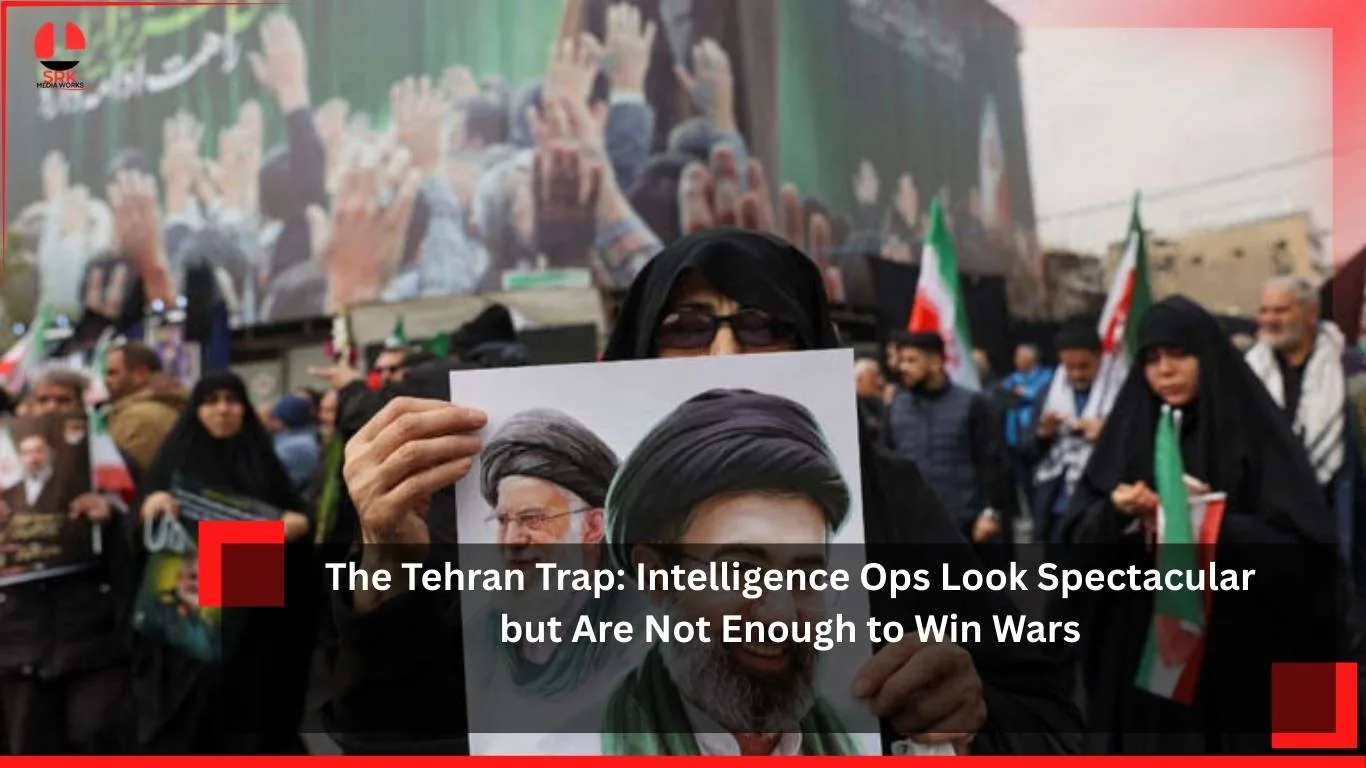
In modern conflicts, intelligence operations often dominate headlines with their precision, secrecy, and dramatic outcomes. Yet, as history repeatedly shows, intelligence alone cannot secure victory in war. The phrase “The Tehran trap: Intelligence ops look spectacular but are not enough to win wars” captures the paradox of dazzling covert missions that fail to deliver strategic success when not paired with broader military, political, and diplomatic strategies.
Background
Across the Middle East, intelligence agencies have carried out operations that appear flawless on the surface. From targeted strikes to cyber intrusions, these missions demonstrate technical brilliance and tactical efficiency. However, wars are not won by isolated successes. They require sustained campaigns, alliances, and political will.
The so-called “Tehran trap” refers to the tendency of states to overestimate the impact of intelligence victories, mistaking them for decisive turning points. While such operations can weaken adversaries temporarily, they rarely dismantle the underlying structures of power or resolve the root causes of conflict.
Why Intelligence Alone Falls Short
- Limited Scope: Intelligence missions target specific individuals or assets but rarely alter the broader battlefield.
- Symbolic Wins vs. Strategic Gains: Eliminating a high-profile figure may boost morale but does not dismantle networks.
- Diplomatic Fallout: Covert actions often escalate tensions, making negotiations harder.
- Resource Drain: Overreliance on intelligence can divert focus from conventional military and political strategies.
Key Highlights
| Aspect | Details |
|---|---|
| Nature of Ops | Covert, precise, often spectacular |
| Short-Term Impact | Tactical disruption of adversaries |
| Long-Term Effect | Limited without broader strategy |
| Risks | Escalation, diplomatic backlash |
| Lesson | Intelligence must complement military and political efforts |
Comparative Analysis of Conflicts
| Conflict | Intelligence Successes | Outcome | Lesson Learned |
|---|---|---|---|
| Gulf War | Precision strikes, surveillance | Military victory achieved | Intelligence worked with conventional force |
| Afghanistan | Targeted killings, drone ops | Prolonged insurgency | Intelligence alone insufficient |
| Iraq | Capture of leaders | Continued instability | Political vacuum undermined gains |
| Middle East Proxy Wars | Cyber ops, assassinations | Ongoing conflict | Spectacular ops without strategy fail |
This comparison illustrates that intelligence operations, while impressive, cannot substitute for comprehensive war strategies.
Public Reactions
- Supporters of Intelligence Ops: Praise the precision and secrecy, seeing them as proof of technological superiority.
- Critics: Argue that such missions create illusions of success while conflicts drag on.
- Neutral Analysts: Emphasize the need for balance between covert actions and broader strategies.
Stakeholder Breakdown
| Stakeholder | Position | Impact |
|---|---|---|
| Intelligence Agencies | Execute covert missions | Gain prestige but limited strategic effect |
| Military Forces | Require broader campaigns | Need intelligence as support, not substitute |
| Political Leaders | Use ops for symbolic wins | Risk overestimating their impact |
| Citizens | Witness dramatic headlines | Often misled about real progress |
| Global Markets | React to instability | Energy prices fluctuate with conflict news |
Broader Impact
The reliance on intelligence operations reflects a modern obsession with spectacle. Drones, cyber warfare, and targeted assassinations dominate narratives, but they rarely resolve conflicts. Instead, they risk creating cycles of retaliation, escalating tensions, and prolonging instability.
For nations engaged in prolonged conflicts, the lesson is clear: intelligence must be integrated into a holistic strategy that includes diplomacy, conventional military campaigns, and long-term political solutions.
Conclusion
The Tehran trap highlights the danger of mistaking tactical brilliance for strategic victory. Intelligence operations may look spectacular, but wars are won through sustained campaigns, alliances, and political resolutions. Without these, covert missions remain symbolic gestures that fail to deliver lasting peace.
Disclaimer
This article is intended for informational purposes only and does not constitute military or strategic advice. The content is based on publicly available information and analysis at the time of writing. Readers are encouraged to consider multiple perspectives before forming conclusions on sensitive geopolitical issues.