




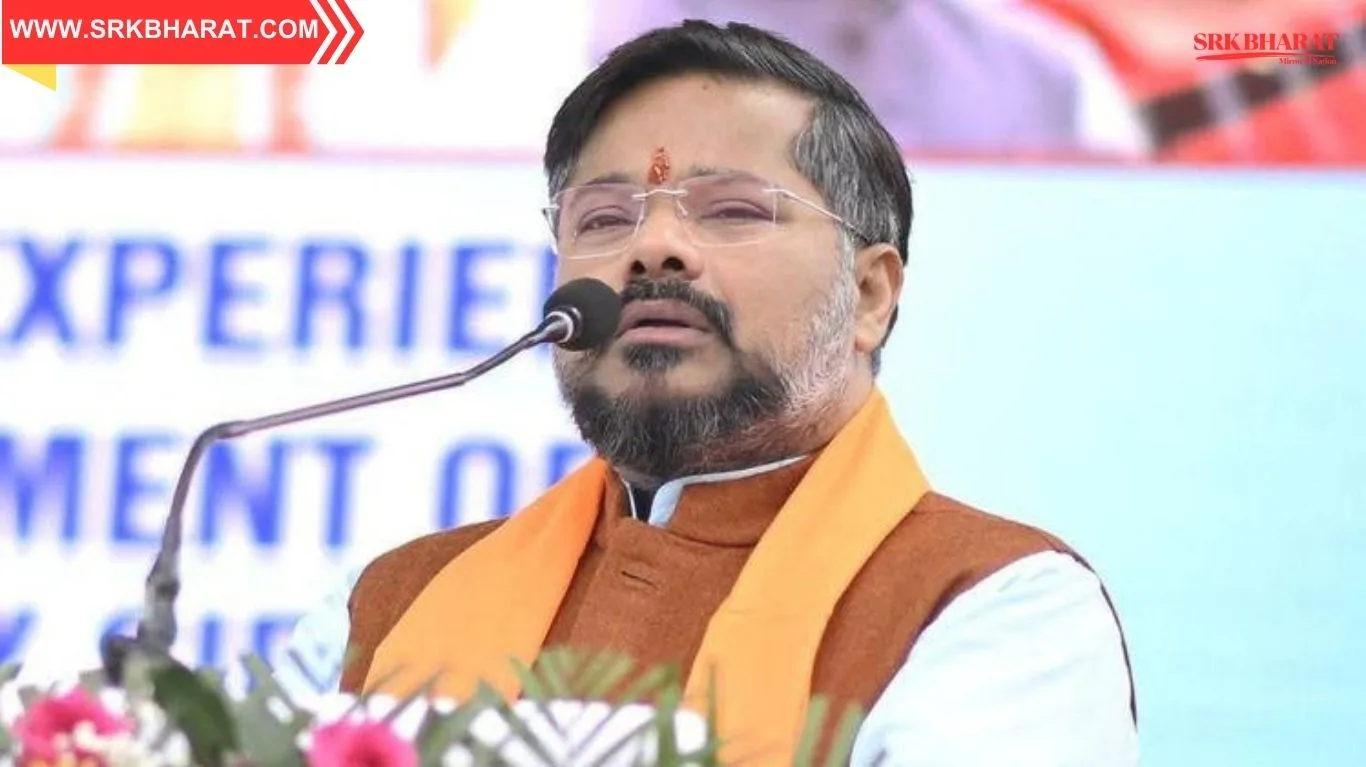
Tripura, the picturesque northeastern state of India, is poised to transform into a major tourist destination within the next two years, according to the state’s Tourism Minister. With its lush green landscapes, rich cultural heritage, ancient temples, and unexplored natural beauty, Tripura is being positioned as a hub for domestic and international travelers. The government has unveiled ambitious plans to boost infrastructure, promote eco-tourism, and highlight the state’s unique cultural identity to attract visitors.
Background of Tripura’s Tourism Push
- Tripura has long remained underexplored compared to other northeastern states like Assam, Meghalaya, and Sikkim.
- The state government is now focusing on leveraging its natural beauty, historical sites, and cultural diversity to create a strong tourism identity.
- The Tourism Minister emphasized that new projects, improved connectivity, and promotional campaigns will make Tripura a preferred destination in the coming years.
- The initiative aligns with India’s broader vision of promoting the Northeast as a tourism powerhouse.
Key Highlights of the Tourism Minister’s Statement
| Indicator | Details |
|---|---|
| State | Tripura |
| Announcement | Major tourist destination in two years |
| Focus Areas | Infrastructure, eco-tourism, cultural heritage |
| Government Strategy | Connectivity, promotion, investment |
| Broader Impact | Boost to economy, employment, and cultural pride |
Implications of Tripura’s Tourism Plans
| Factor | Positive Impact | Challenges | Long-Term Implication |
|---|---|---|---|
| Infrastructure Development | Better roads, hotels, facilities | Requires large investment | Sustainable tourism growth |
| Eco-Tourism | Promotes conservation | Risk of over-tourism | Strengthens Tripura’s green identity |
| Cultural Promotion | Showcases heritage | Needs global visibility | Builds cultural pride |
| Employment Opportunities | Jobs in hospitality, transport | Skill development required | Reduces migration, boosts local economy |
| Regional Connectivity | Improved air and rail links | Terrain challenges | Integrates Tripura with national tourism map |
Why This Story Matters
- Economic Growth: Tourism can significantly boost Tripura’s economy.
- Employment Generation: Creates jobs in hospitality, transport, and local crafts.
- Cultural Preservation: Promotes Tripura’s unique traditions and heritage.
- Regional Integration: Strengthens the Northeast’s role in India’s tourism sector.
- Global Visibility: Positions Tripura on the international tourism map.
Tripura’s Tourism Potential
| Attribute | Details |
|---|---|
| Natural Beauty | Hills, rivers, forests, wildlife |
| Historical Sites | Temples, palaces, archaeological ruins |
| Cultural Diversity | Tribal traditions, festivals, crafts |
| Adventure Tourism | Trekking, eco-trails, rural tourism |
| Accessibility | Improved air and rail connectivity |
Tripura offers a blend of natural and cultural attractions, making it ideal for tourists seeking authentic experiences.
Major Attractions in Tripura
- Ujjayanta Palace: A stunning royal palace in Agartala, now a museum showcasing Tripura’s history.
- Neermahal: A water palace built in the middle of Rudrasagar Lake, often called the “Lake Palace of the East.”
- Unakoti: Archaeological site with rock carvings dating back to the 7th–9th centuries.
- Tripura Sundari Temple: One of the 51 Shakti Peethas, attracting pilgrims from across India.
- Sepahijala Wildlife Sanctuary: Home to diverse flora and fauna, ideal for eco-tourism.
- Jampui Hills: Known for orange orchards, scenic views, and trekking opportunities.
Expert Opinions
- Tourism Analysts: Stress that Tripura’s unexplored charm can attract niche travelers.
- Economists: Highlight tourism as a driver of local economic growth.
- Environmentalists: Emphasize the importance of eco-friendly tourism practices.
- Local Citizens: Express optimism about job opportunities and cultural promotion.
Challenges Ahead
- Infrastructure Gaps: Need for better roads, hotels, and transport facilities.
- Global Visibility: Tripura must compete with established destinations.
- Environmental Concerns: Risk of ecological damage if tourism is not managed sustainably.
- Skill Development: Training locals in hospitality and tourism services.
- Political Stability: Ensuring consistent policies for tourism growth.
Opportunities for Tripura
- Eco-Tourism: Promote wildlife sanctuaries and rural tourism.
- Cultural Tourism: Showcase tribal festivals, crafts, and cuisine.
- Adventure Tourism: Develop trekking, camping, and water sports.
- Religious Tourism: Highlight temples and pilgrimage sites.
- International Promotion: Target tourists from neighboring countries like Bangladesh and Southeast Asia.
Broader Context of Northeast Tourism
- The Northeast is being promoted as India’s “Paradise Unexplored.”
- States like Meghalaya and Sikkim have already gained popularity.
- Tripura’s entry into the tourism spotlight strengthens the region’s collective appeal.
- Improved connectivity through railways, highways, and airports is crucial for success.
Public Sentiment
- Citizens welcomed the announcement, seeing it as a step toward economic growth.
- Local entrepreneurs expressed interest in investing in hospitality and crafts.
- Social media discussions highlighted Tripura’s hidden gems and potential.
- Overall sentiment reflects optimism and anticipation for the state’s transformation.
Media Coverage
- News outlets reported extensively on the Tourism Minister’s statement.
- Analysts debated the feasibility of achieving the target within two years.
- Coverage emphasized Tripura’s unique attractions and cultural heritage.
- The story continues to dominate discussions in regional and national tourism circles.
Conclusion
The Tourism Minister’s announcement that Tripura is set to emerge as a major tourist destination in the next two years marks a turning point for the state. With its rich cultural heritage, natural beauty, and unexplored potential, Tripura is poised to attract travelers from across India and abroad. The success of this vision will depend on infrastructure development, sustainable practices, and effective promotion. If executed well, Tripura could become a shining example of how tourism can transform economies and preserve cultural identities.
Disclaimer
This article is intended for informational purposes only and does not constitute official endorsement or criticism. Government policies, tourism strategies, and public sentiments are subject to change based on evolving circumstances. Readers are encouraged to follow official updates for accurate information. The author and publisher are not responsible for any decisions made based on this article.