

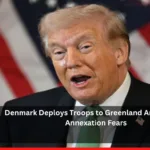
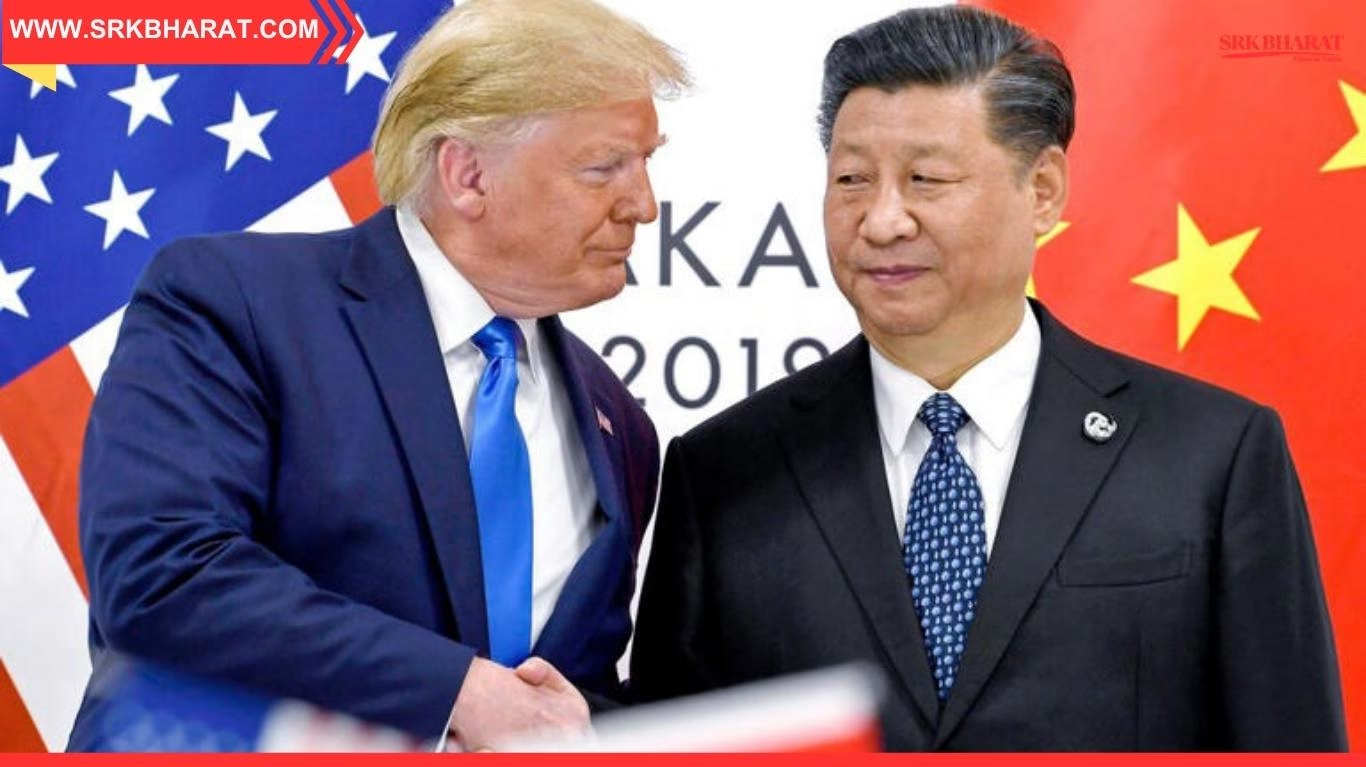
US President Donald Trump has landed in Asia with a bold diplomatic agenda, aiming to secure what he calls a “complete deal” with Chinese President Xi Jinping amid escalating trade and geopolitical tensions. Speaking to reporters aboard Air Force One en route to Malaysia, Trump emphasized the significance of direct talks with Xi, marking their first face-to-face meeting since January. In a striking statement, Trump also claimed that India has “cut back completely” on its imports of Russian oil, aligning with US-led sanctions against Moscow’s energy giants.
The visit comes at a critical juncture for global diplomacy, with the US-China trade war, technology restrictions, and raw material disputes intensifying pressure on both nations to reach a resolution. Trump’s remarks about India’s energy policy add another layer to the evolving dynamics in the Indo-Pacific, where strategic alliances and economic interests are rapidly shifting.
Trump’s Asia Visit: Key Objectives and Strategic Focus
| Agenda Item | Description |
|---|---|
| US-China Trade Deal | Aim to finalize a comprehensive agreement with Xi Jinping |
| Russian Oil Sanctions | Reinforce sanctions on Rosneft and Lukoil |
| Indo-Pacific Strategy | Strengthen ties with India, Japan, and ASEAN nations |
| Technology and Raw Materials | Address export controls and supply chain disruptions |
| Energy Diplomacy | Highlight India’s shift away from Russian oil |
Trump’s visit includes stops in Malaysia, South Korea, and Vietnam, with high-level meetings scheduled with regional leaders and business delegations.
Trump’s Statement on India’s Russian Oil Imports
During his press briefing, Trump stated, “China is cutting back very substantially on the purchase of Russian oil, and India is cutting back completely.” He attributed these shifts to the effectiveness of US sanctions and diplomatic pressure, particularly targeting Rosneft and Lukoil—two of Russia’s largest oil firms.
| Country | Trump’s Claim on Russian Oil Imports |
|---|---|
| China | “Cutting back very substantially” |
| India | “Cutting back completely” |
While Trump’s assertion about India’s complete withdrawal from Russian oil imports has sparked debate, Indian officials have not confirmed such a move. India has consistently maintained that its energy decisions are guided by national interest and market dynamics.
India’s Energy Trade with Russia: A Snapshot
| Year | Russian Oil Imports (India) | Remarks |
|---|---|---|
| 2022 | 1.2 million barrels/day | Post-Ukraine war surge |
| 2023 | 1.6 million barrels/day | Peak import levels |
| 2024 | 1.1 million barrels/day | Gradual decline amid global pressure |
| 2025 (YTD) | 0.5 million barrels/day | Unconfirmed reports of further reduction |
India has diversified its energy sources in recent years, increasing imports from the US, Saudi Arabia, and UAE while reducing reliance on Russian crude.
US-China Trade Deal: What’s on the Table?
Trump’s push for a “complete deal” with China includes several contentious issues:
- Tariff rollbacks and trade balance
- Technology transfer and IP protection
- Export controls on semiconductors and rare earths
- Cybersecurity and data governance
- Market access for US firms in China
| Trade Issue | US Position | China’s Response |
|---|---|---|
| Tariffs | Gradual rollback | Conditional acceptance |
| Tech Transfer | Ban forced transfers | Seeking compromise |
| Semiconductor Exports | Tight controls | Push for domestic alternatives |
| Rare Earths | Secure US supply chains | Maintain export leverage |
| Market Access | Open Chinese markets | Limited concessions |
The outcome of Trump’s meeting with Xi could reshape global trade flows and influence investor sentiment across Asia.
Reactions from Global Stakeholders
Trump’s remarks and diplomatic overtures have triggered varied responses from governments, analysts, and energy markets.
| Stakeholder | Reaction Summary |
|---|---|
| Indian Government | No official confirmation of complete oil cutback |
| Chinese Officials | Cautious optimism about trade talks |
| Energy Analysts | Skepticism over India’s full withdrawal from Russian oil |
| ASEAN Leaders | Support for Indo-Pacific stability |
| US Business Groups | Hopeful for market access and tariff relief |
The ambiguity surrounding India’s energy stance has led to speculation, with some experts suggesting that Trump’s statement may be aspirational rather than factual.
Impact on Global Oil Markets
Trump’s claim about India and China reducing Russian oil imports has implications for global oil prices and supply chains.
| Market Indicator | Recent Trend (Oct 2025) |
|---|---|
| Brent Crude | $87/barrel (up 3%) |
| Russian Urals Discount | Widened to $20/barrel |
| Indian Oil Basket | Shift toward Middle East blends |
| US Strategic Reserves | Stable, no new releases |
If India and China indeed scale back Russian oil purchases, Russia may seek alternative buyers in Africa, Latin America, and Southeast Asia.
Strategic Implications for India
India’s energy diplomacy is closely tied to its strategic autonomy. While aligning with Western sanctions may improve ties with the US, it could strain relations with Russia—a key defense and energy partner.
| Strategic Factor | Implication for India |
|---|---|
| US-India Relations | Strengthened through alignment |
| Russia-India Ties | Potential friction over energy |
| Energy Security | Need for diversified sourcing |
| Domestic Politics | Sensitivity to fuel price hikes |
India’s balancing act between global powers remains a cornerstone of its foreign policy.
Trump’s Broader Indo-Pacific Strategy
Beyond China and India, Trump’s Asia visit aims to reinforce the US’s commitment to the Indo-Pacific region. Key initiatives include:
- Reviving the Quad alliance (US, India, Japan, Australia)
- Enhancing maritime security cooperation
- Promoting infrastructure investment through the Blue Dot Network
- Countering Chinese influence in ASEAN and Pacific Islands
| Initiative | Objective |
|---|---|
| Quad Revival | Strategic military coordination |
| Maritime Security | Joint naval exercises and patrols |
| Blue Dot Network | Infrastructure standards and funding |
| ASEAN Engagement | Economic and diplomatic outreach |
These efforts reflect the US’s long-term vision for a free, open, and rules-based Indo-Pacific.
Conclusion
President Donald Trump’s Asia visit has reignited global attention on US-China relations, energy diplomacy, and Indo-Pacific strategy. His claim that India has “cut back completely” on Russian oil imports, while unverified, signals a shift in narrative and pressure tactics. As Trump seeks a “complete deal” with China, the outcomes of his meetings will have far-reaching consequences for trade, energy, and geopolitical stability.
India’s role in this evolving landscape remains pivotal. Whether or not it has fully disengaged from Russian oil, its decisions will shape the contours of global diplomacy and energy security in the months ahead.
Disclaimer: This article is based on publicly available information and media reports. It does not constitute political or investment advice. All views expressed are for informational purposes only.
анонимная наркологическая помощь анонимная наркологическая помощь .
Your article helped me a lot, is there any more related content? Thanks! https://www.binance.info/register?ref=IHJUI7TF