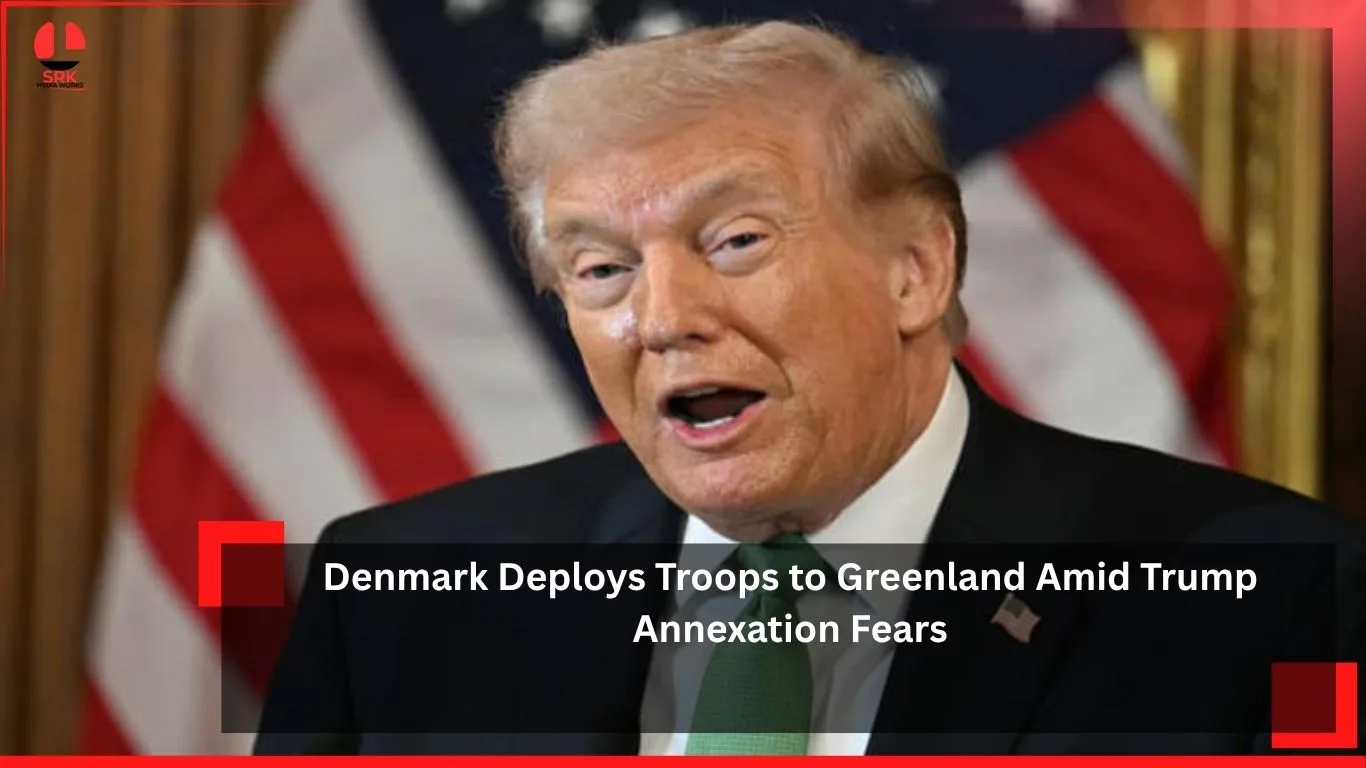

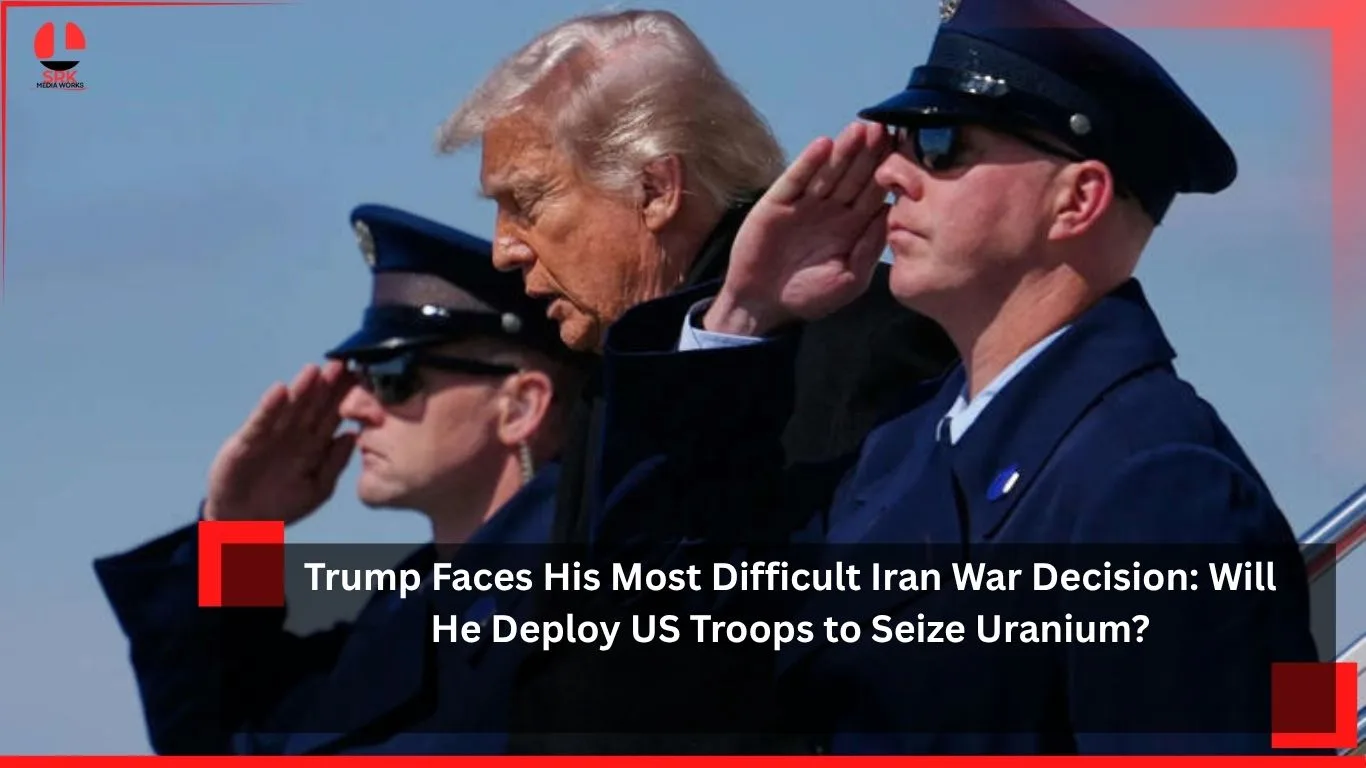
The ongoing conflict with Iran has reached a critical juncture, and President Donald Trump is reportedly facing one of the most difficult decisions of his tenure: whether to deploy U.S. troops to seize uranium deposits and facilities inside Iran. This potential move, if executed, would mark a dramatic escalation in the war and could reshape global nuclear politics for decades. The decision carries immense military, diplomatic, and economic consequences, making it one of the most scrutinized issues in Washington and beyond.
Background of the Conflict
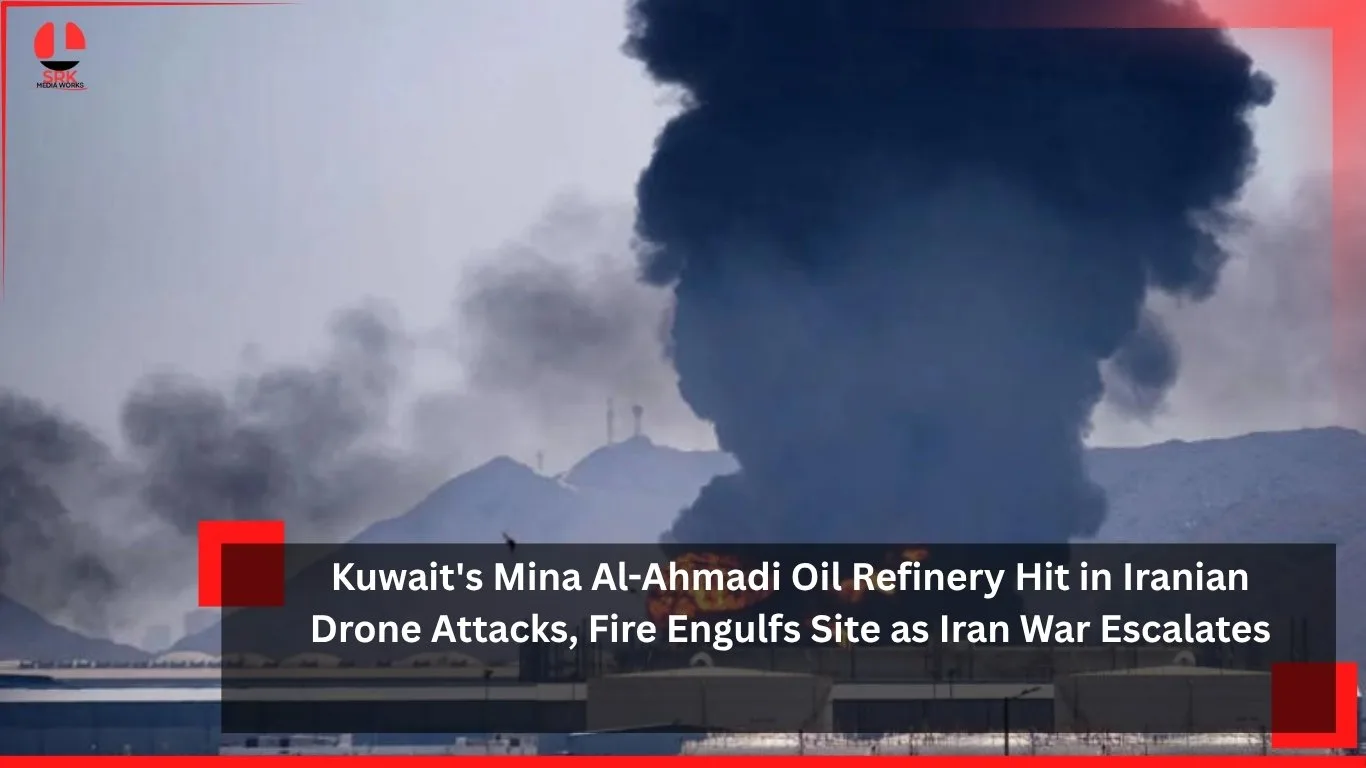
The Iran war has already destabilized the Middle East, disrupting oil supplies, inflaming regional rivalries, and drawing in global powers. At the heart of the conflict lies Iran’s nuclear program, which has long been a source of tension between Tehran and Washington. The possibility of U.S. forces seizing uranium facilities is seen as both a preventive measure against nuclear proliferation and a symbolic assertion of American dominance.
Why Uranium Matters
Uranium is the critical raw material for nuclear energy and weapons. Iran’s uranium enrichment program has been a focal point of international concern, with fears that it could lead to the development of nuclear weapons. By targeting uranium facilities, the U.S. aims to:
- Prevent nuclear weapon development
- Weaken Iran’s bargaining power
- Send a message to other adversaries
Trump’s Dilemma
President Trump’s decision is complicated by several factors:
- Military risks: Deploying troops into Iran’s territory could trigger fierce resistance.
- Diplomatic fallout: Allies and rivals alike would react strongly to such a move.
- Economic consequences: Global markets could face turmoil if the conflict escalates.
- Domestic politics: The decision could influence public opinion and political dynamics at home.
Comparative Analysis of Strategic Options
| Option | Benefits | Risks | Global Reaction |
|---|---|---|---|
| Deploy troops to seize uranium | Prevents nuclear proliferation | High casualties, escalation | Strong backlash |
| Intensify sanctions | Economic pressure on Iran | Limited immediate impact | Moderate support |
| Diplomatic negotiations | Potential peaceful resolution | Iran may stall | Mixed reactions |
| Cyber operations | Disrupts nuclear program | Risk of retaliation | Less visible, less backlash |
Military Considerations
Seizing uranium facilities would require a large-scale military operation involving:
- Ground troops
- Air support
- Special forces
- Logistical coordination
Such an operation would be costly and dangerous, with the potential for heavy casualties and prolonged engagement.
Diplomatic Implications
The move would likely strain relations with:
- European allies: Many favor diplomacy over military action.
- Russia and China: Both oppose U.S. intervention in Iran.
- Middle Eastern states: Allies like Saudi Arabia may support, but others could resist.
Economic Consequences
| Factor | Short-Term Impact | Long-Term Risk |
|---|---|---|
| Oil prices | Immediate spike | Global recession risk |
| Global markets | Increased volatility | Investor uncertainty |
| U.S. economy | Defense spending surge | Debt and inflation |
| Iran’s economy | Severe damage | Collapse of infrastructure |
Psychological Impact
The decision carries symbolic weight. Seizing uranium would demonstrate U.S. resolve but could also embolden adversaries to pursue countermeasures. The psychological impact on global politics would be profound, reshaping perceptions of American power.
Public Opinion in the US
Americans remain divided on the war. Some support decisive action to prevent Iran from acquiring nuclear weapons, while others fear another prolonged conflict reminiscent of Iraq and Afghanistan. Trump’s decision will inevitably influence his political standing.
Future Outlook
The path forward is uncertain. If Trump chooses military action, the conflict could escalate dramatically, with consequences for global security and economics. If he opts for diplomacy or sanctions, the war may drag on without resolution. Either way, the uranium issue ensures that the Iran war will remain a defining challenge for U.S. foreign policy.
Analytical Summary
President Trump’s dilemma over whether to deploy U.S. troops to seize uranium in Iran highlights the complexity of modern warfare and geopolitics. The decision involves balancing military risks, diplomatic fallout, economic consequences, and domestic politics. Whatever path is chosen, the outcome will shape not only the future of the Iran war but also the global nuclear order.
Disclaimer
This article is based on publicly available reports and analytical perspectives. It does not represent official statements from the United States government, Iran, or other international authorities. The content is intended for informational purposes only and should not be construed as definitive or authoritative on sensitive geopolitical matters.