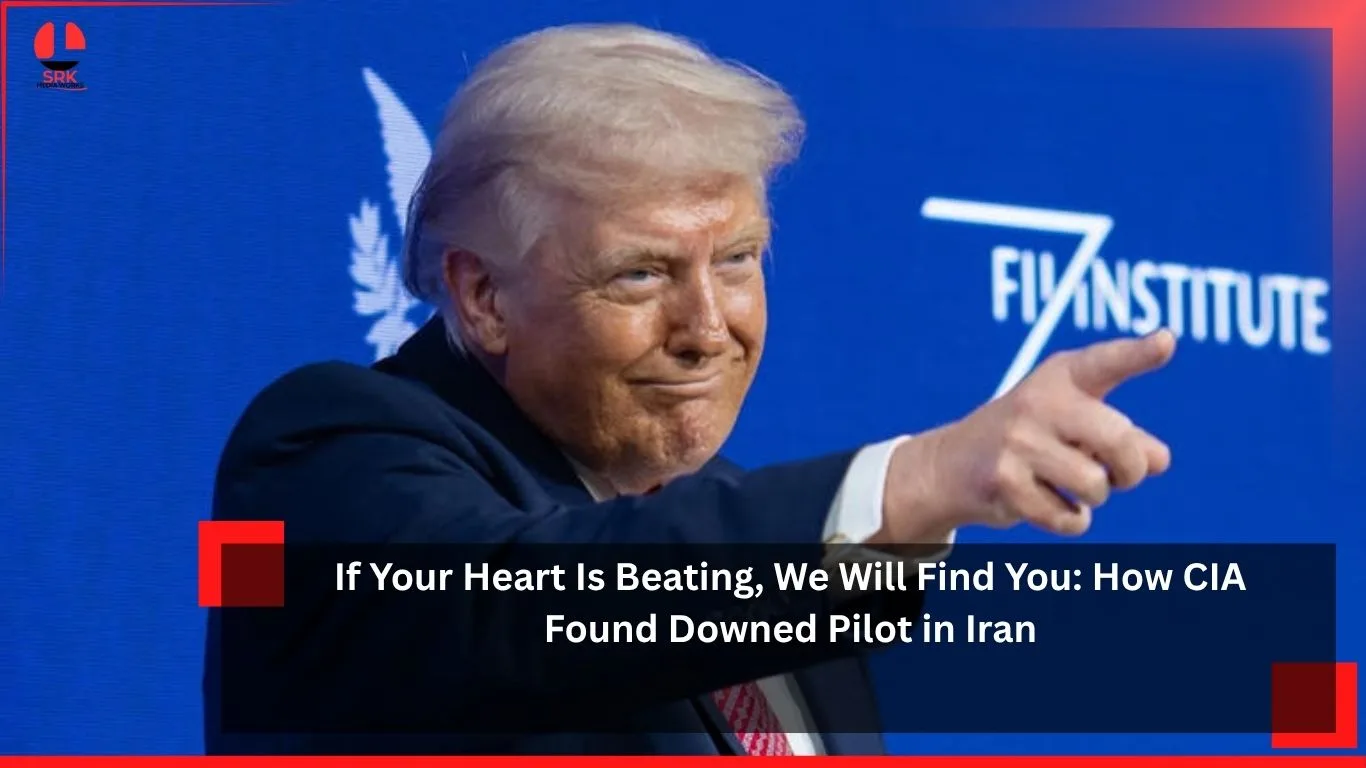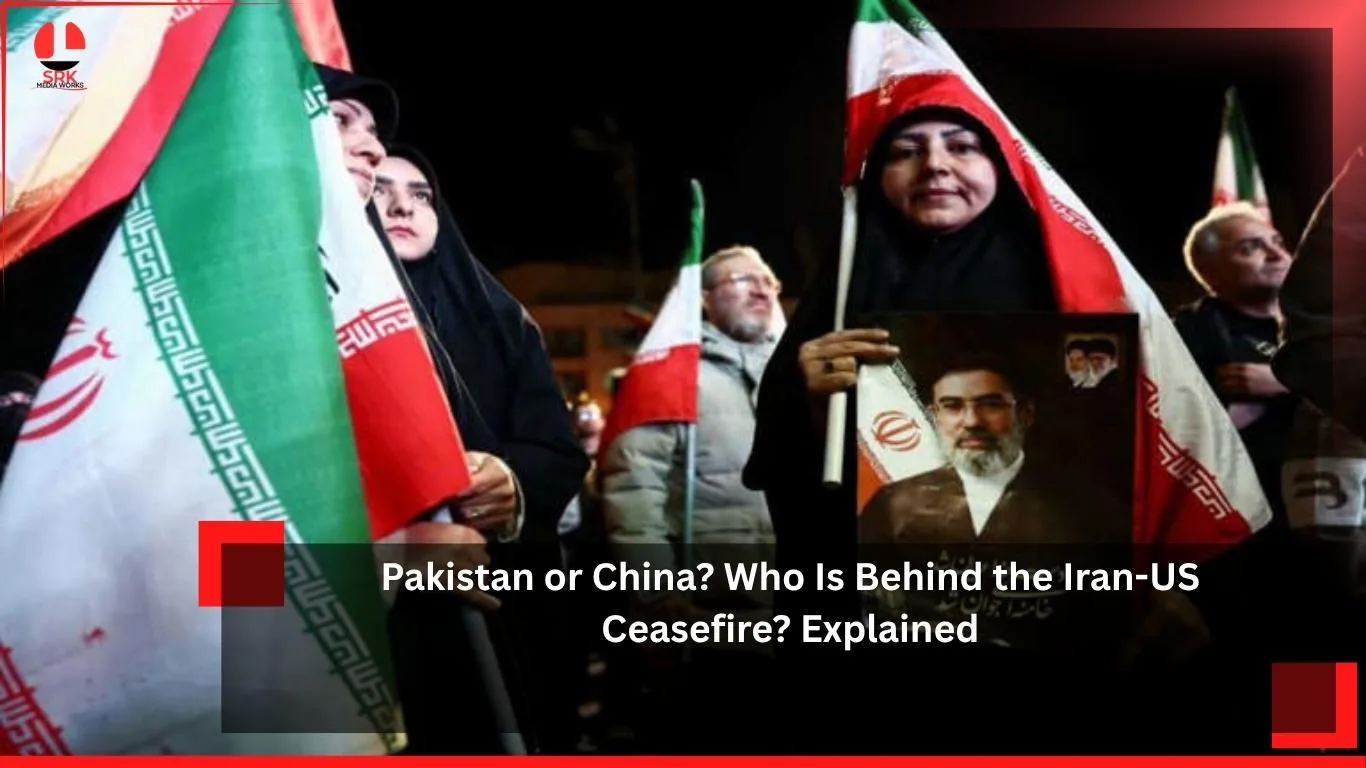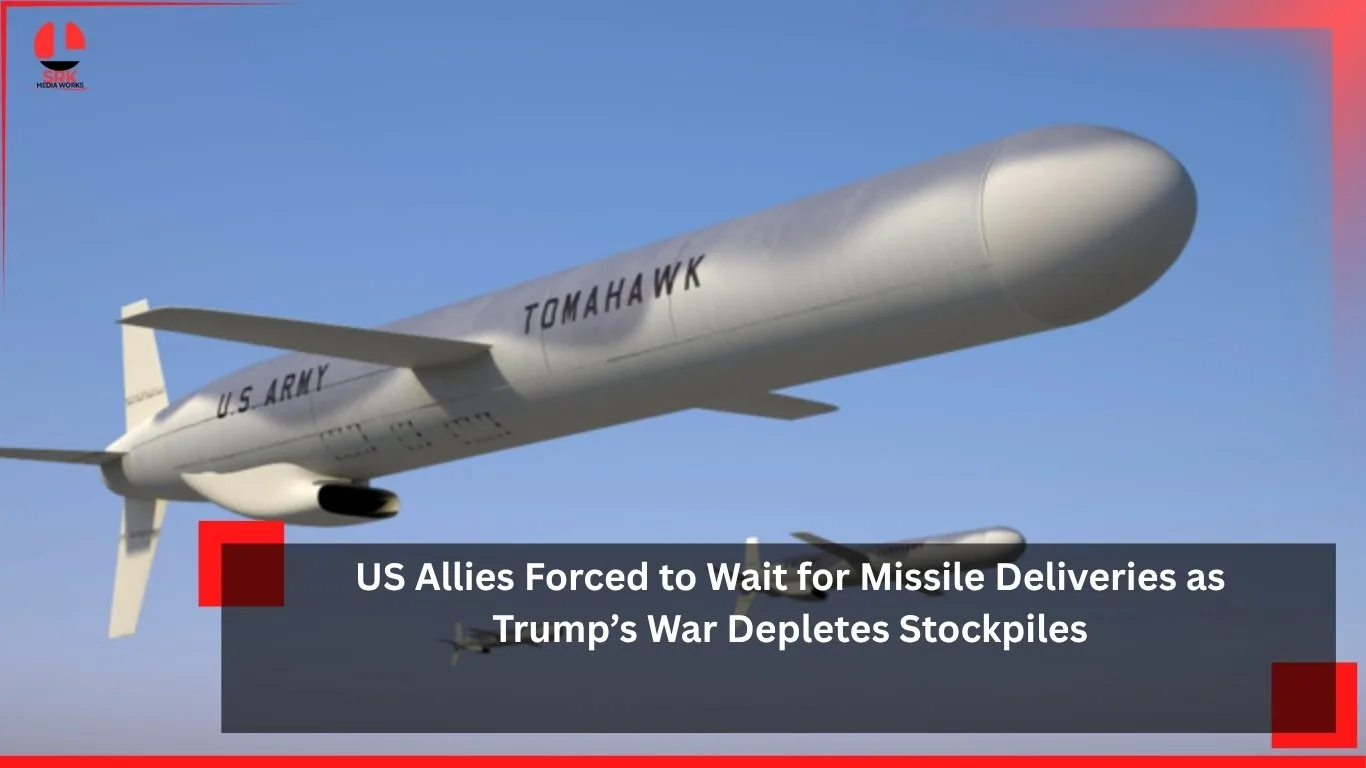


The unfolding saga of U.S.-Iran tensions has taken a dramatic turn as former President Donald Trump announced a pause on military escalation against Iran. This decision, which surprised both allies and adversaries, traces its roots back to a secret White House meeting that set the stage for one of the most complex geopolitical confrontations in recent history. Understanding how this conflict evolved requires a deep dive into the political maneuvers, military strategies, and diplomatic negotiations that shaped the crisis.
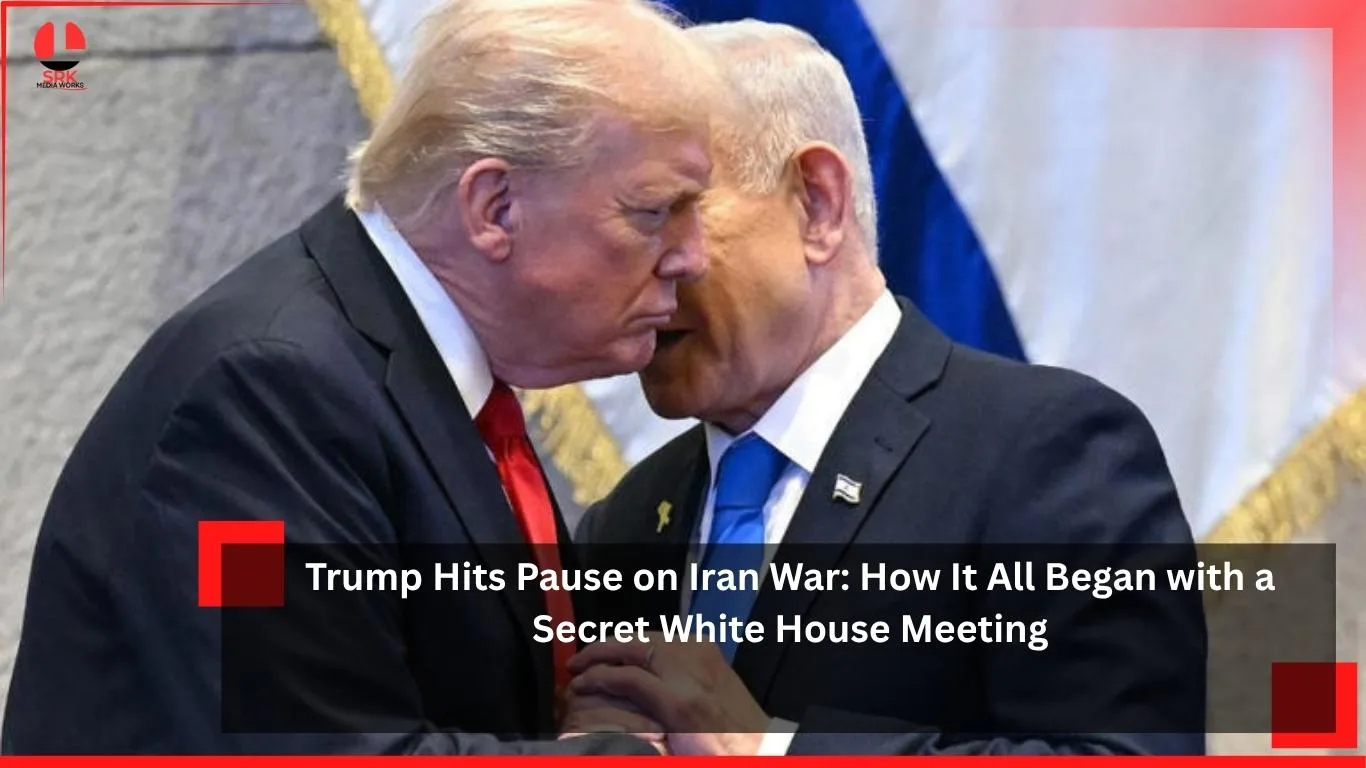
The Secret White House Meeting
The origins of the U.S.-Iran confrontation can be traced to a confidential meeting held inside the White House. Senior advisors, military officials, and intelligence experts gathered to discuss Iran’s growing influence in the Middle East, its nuclear ambitions, and its support for proxy militias. The meeting reportedly focused on:
- Iran’s nuclear program and its potential to destabilize the region.
- Missile and drone capabilities that threatened U.S. bases and allies.
- Proxy networks including Hezbollah and militias in Iraq and Syria.
This meeting laid the groundwork for a series of decisions that escalated tensions, including sanctions, military deployments, and covert operations.
Escalation of Tensions
Following the secret meeting, the U.S. adopted a hardline stance against Iran:
- Economic Sanctions: Targeting Iran’s oil exports and financial institutions.
- Military Deployments: Increasing U.S. presence in the Persian Gulf.
- Diplomatic Isolation: Pressuring allies to cut ties with Tehran.
Iran responded with defiance, expanding its missile program and conducting naval exercises in the Strait of Hormuz. The confrontation reached a boiling point when U.S. forces targeted Iranian military leaders, sparking fears of full-scale war.
Trump’s Decision to Pause
Despite the aggressive posture, Trump eventually announced a pause on military escalation, citing the need to avoid unnecessary conflict. His decision was influenced by:
- Domestic Concerns: Rising public opposition to another Middle Eastern war.
- Economic Factors: Protecting global oil markets from disruption.
- Diplomatic Channels: Pressure from European allies to pursue negotiations.
This pause does not signify an end to tensions but reflects a strategic recalibration aimed at balancing deterrence with diplomacy.
Comparative Analysis of U.S. and Iran Strategies
| Aspect | United States Strategy | Iran Strategy |
|---|---|---|
| Military | Deployment of forces, targeted strikes | Expansion of missile and drone arsenal |
| Economic | Sanctions, financial isolation | Regional trade networks, oil smuggling |
| Diplomatic | Pressure on allies, isolation | Building ties with Russia, China |
| Psychological | Show of force, deterrence | Defiance, propaganda campaigns |
Pivot Analysis: War vs. Pause
| Dimension | War Scenario | Pause Scenario |
|---|---|---|
| Economic Impact | Oil prices surge, global instability | Stabilization of markets |
| Political Impact | Domestic backlash, strained alliances | Opportunity for diplomacy |
| Military Impact | High casualties, regional escalation | Controlled deterrence |
| Global Impact | Widespread instability | Temporary relief, cautious optimism |
This analysis highlights the stark differences between pursuing war and opting for a pause, underscoring the complexity of Trump’s decision.
Regional Reactions
- Israel: Concerned about Iran’s continued influence, urging stronger U.S. action.
- Saudi Arabia: Welcomed the pause but remains wary of Iran’s ambitions.
- European Union: Encouraged diplomatic engagement, calling the pause a positive step.
- Iran: Framed the pause as a victory, claiming U.S. reluctance to engage in direct conflict.
Domestic Political Fallout
Trump’s decision has sparked debate within the U.S.:
- Supporters: Praise his restraint, arguing it avoids unnecessary wars.
- Critics: Accuse him of inconsistency and weakening U.S. credibility.
- Military Officials: Divided between advocating deterrence and cautioning against escalation.
The Role of Diplomacy
The pause opens the door for renewed diplomatic efforts. Potential pathways include:
- Nuclear Negotiations: Revisiting agreements to limit Iran’s nuclear program.
- Regional Security Talks: Engaging Gulf states and European allies.
- Confidence-Building Measures: Reducing military presence in exchange for Iranian concessions.
Future Outlook
The U.S.-Iran confrontation remains unresolved. While Trump’s pause has temporarily reduced tensions, the underlying issues—nuclear ambitions, proxy conflicts, and regional dominance—persist. The future will depend on whether diplomacy can bridge the gap or whether renewed hostilities will reignite the conflict.
Conclusion
The decision by Trump to pause the Iran war reflects the complexity of modern geopolitics. Rooted in a secret White House meeting, the confrontation evolved through sanctions, military maneuvers, and diplomatic struggles. While the pause offers temporary relief, it also underscores the fragile balance between war and peace in the Middle East. The coming months will determine whether this pause leads to lasting stability or merely delays inevitable conflict.
Disclaimer
This article is an analytical overview based on publicly available information and geopolitical assessments. It does not endorse or criticize any political figure or government. The content is intended for informational and educational purposes only, and readers should consider multiple perspectives before forming conclusions.