






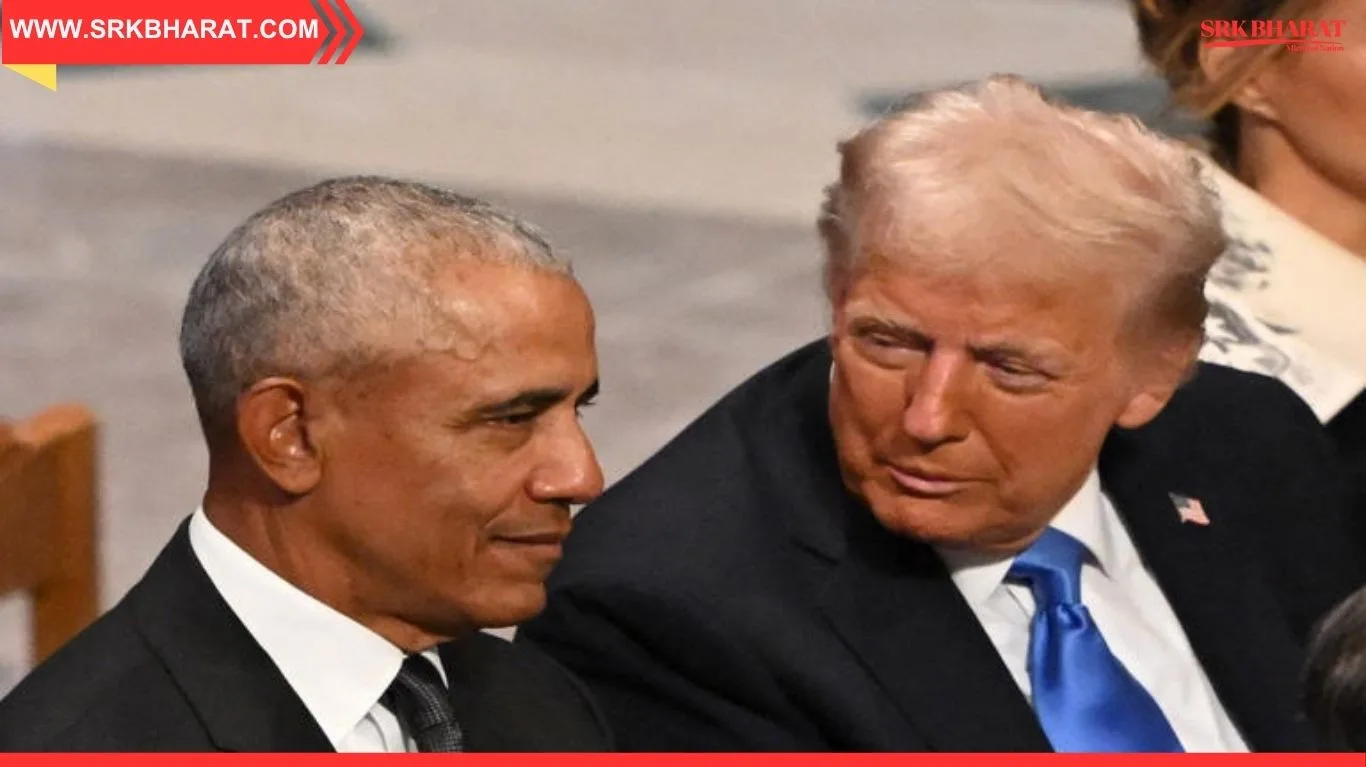
Amid the ongoing U.S. government shutdown, President Donald Trump has reignited his campaign to dismantle the Affordable Care Act (ACA), commonly known as Obamacare, and called for a radical shift in federal healthcare spending. In a series of posts amplified by the White House, Trump urged Senate Republicans to abolish the filibuster—a legislative procedure requiring 60 votes to advance most bills—and redirect hundreds of billions of dollars in healthcare subsidies directly to American citizens.
Trump’s proposal comes at a time when millions of Americans are facing financial strain due to the prolonged shutdown, now in its 38th day. He described insurance companies as “money-sucking entities” and claimed that Obamacare delivers “the worst healthcare anywhere in the world.” His plan, he said, would allow citizens to purchase “much better healthcare” and still have money left over.
🧠 Key Highlights of Trump’s Healthcare Proposal
| Attribute | Details |
|---|---|
| Proposal Origin | Truth Social posts, amplified by White House |
| Legislative Target | Senate filibuster rule (60-vote threshold) |
| Healthcare Focus | Eliminate ACA subsidies to insurers |
| Redistribution Plan | Direct payments to citizens for healthcare |
| Shutdown Context | 38-day government shutdown impacting federal services |
| Trump’s Justification | “Terminate, per dollar spent, the worst healthcare anywhere in the world” |
The proposal marks a dramatic shift from traditional healthcare funding models and has sparked intense debate in Washington.
📊 Timeline of Trump’s Anti-Obamacare Campaign
| Year | Event Description | Outcome |
|---|---|---|
| 2017 | Attempted ACA repeal via Senate | Failed due to lack of votes |
| 2020 | Campaign promise to replace Obamacare | No legislative success |
| 2023 | Renewed criticism of ACA | Limited traction |
| 2025 | Shutdown-linked push to end filibuster | Active proposal under Republican review |
Trump’s latest move ties healthcare reform directly to the broader shutdown negotiations.
🗣️ Reactions from Lawmakers and Analysts
| Stakeholder | Commentary Summary |
|---|---|
| Senate Democrats | “This is reckless and undermines healthcare access.” |
| GOP Leadership | “We’re reviewing the proposal in light of budget constraints.” |
| Healthcare Analysts | “Direct payments could destabilize insurance markets.” |
| Public Sentiment | “Mixed reactions—some support direct aid, others fear coverage loss.” |
The filibuster remains a contentious issue, with Democrats defending it as a safeguard against unilateral policymaking.
📌 Strategic Implications of Ending the Filibuster
| Area | Potential Impact |
|---|---|
| Legislative Efficiency | Faster passage of Republican-backed bills |
| Healthcare Reform | ACA repeal becomes more feasible |
| Political Polarization | Increased tension between parties |
| Budget Realignment | Shift from insurer subsidies to citizen payments |
Ending the filibuster would reshape Senate dynamics and accelerate partisan agendas.
📈 Comparative Snapshot – ACA vs Trump’s Proposed Model
| Feature | ACA (Obamacare) | Trump’s Proposal |
|---|---|---|
| Funding Mechanism | Subsidies to insurance firms | Direct payments to citizens |
| Coverage Scope | Marketplace plans, Medicaid | Citizen-selected private plans |
| Administrative Oversight | HHS, CMS | TBD (likely Treasury or new agency) |
| Cost Control | Premium caps, tax credits | Market-driven pricing |
Trump’s model emphasizes consumer choice but lacks clarity on regulatory safeguards.
📊 Shutdown Impact on Healthcare Services
| Service Area | Status During Shutdown | Risk Level |
|---|---|---|
| Medicaid | Operational (state-funded) | Low |
| ACA Marketplace | Limited support | Moderate |
| VA Hospitals | Operational | Low |
| NIH Research | Paused | High |
| CDC Programs | Scaled back | Moderate |
The shutdown has disrupted federal health programs, adding urgency to Trump’s proposal.
📌 Conclusion
President Donald Trump’s renewed push to end the Senate filibuster and dismantle Obamacare amid the ongoing shutdown reflects his long-standing desire to overhaul U.S. healthcare policy. By proposing direct payments to citizens instead of subsidies to insurance companies, Trump aims to reshape the federal healthcare landscape. While the idea has gained traction among some Republicans, it faces strong opposition from Democrats and healthcare experts concerned about coverage gaps and market instability. As the shutdown continues, this proposal could become a central issue in upcoming legislative negotiations and the 2026 election cycle.
Disclaimer: This article is based on publicly available news reports, official statements, and verified media coverage. It is intended for informational and editorial purposes only and does not constitute legal, financial, or medical advice.



Thanks for sharing. I read many of your blog posts, cool, your blog is very good.