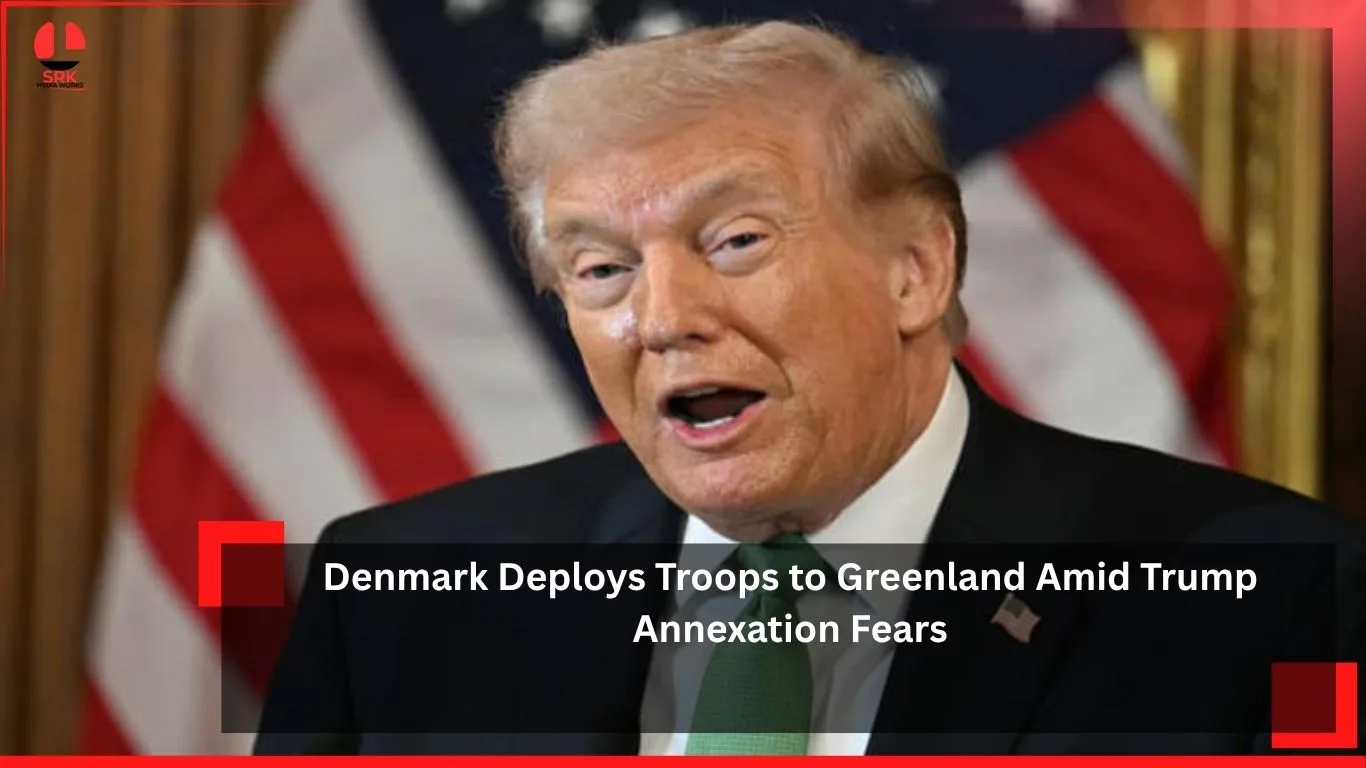



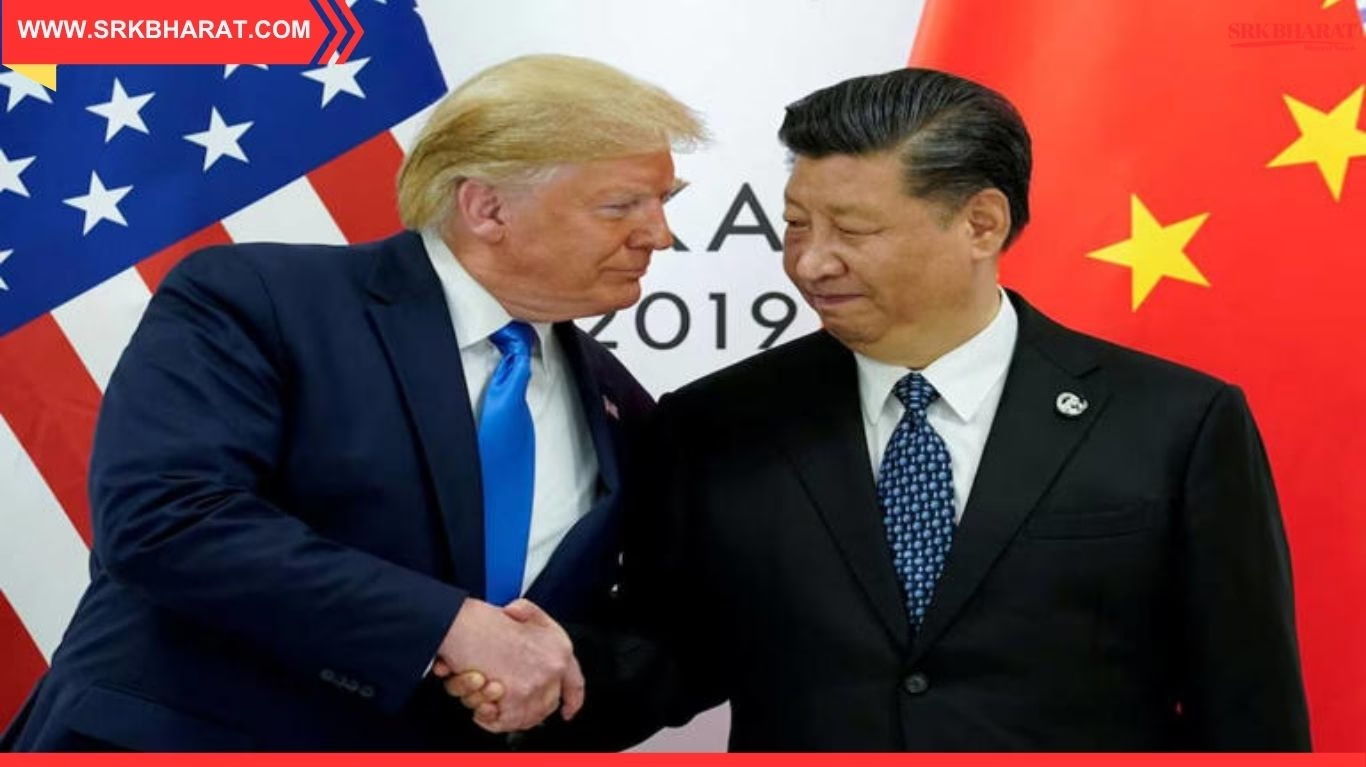
In a bold escalation of trade rhetoric, U.S. President Donald Trump has threatened to impose 155% tariffs on Chinese imports starting November 1, 2025, unless Beijing agrees to a “fair and reciprocal” trade deal. The announcement came during a joint press briefing with Australian Prime Minister Anthony Albanese at the White House, where Trump also signed a critical minerals agreement aimed at reducing U.S. dependence on Chinese supply chains.
Trump’s remarks have sent shockwaves through global markets and diplomatic circles, as he accused China of “unfair trade practices” and emphasized the need to protect American industries. While the President acknowledged that China has been “very respectful,” he warned that the current tariff rate of 55% could be tripled if negotiations with President Xi Jinping do not yield results by the November deadline.
🧠 Key Highlights of Trump’s China Tariff Threat
| Element | Details |
|---|---|
| Speaker | Donald Trump, President of the United States |
| Threatened Tariff Rate | 155% on Chinese imports |
| Current Tariff Rate | 55% |
| Deadline for Deal | November 1, 2025 |
| Trade Deal Focus Areas | Rare earths, fentanyl control, soybean exports |
| Diplomatic Signal | Open to deal with Xi Jinping |
| Global Impact | Market volatility, trade war fears, supply chain shifts |
Trump’s comments were framed as part of a broader strategy to “bring manufacturing back to America” and reduce reliance on Chinese exports.
📊 Timeline of U.S.-China Trade Tensions Under Trump
| Date | Event Description |
|---|---|
| October 15 | Trump-Xi phone call on trade and fentanyl |
| October 20 | Trump announces 155% tariff threat at White House |
| October 21 | Global markets react with volatility |
| November 1 | Deadline for potential tariff implementation |
The tariff threat is seen as both a negotiation tactic and a political message ahead of the 2026 U.S. elections.
🗣️ Reactions from Global Leaders, Economists, and Industry
- Chinese Foreign Ministry: “We urge the U.S. to act rationally and avoid escalation.”
- U.S. Chamber of Commerce: “Tariffs at this level will hurt American consumers and manufacturers.”
- Australian PM Albanese: “We support fair trade but caution against unilateral measures.”
| Stakeholder Group | Reaction Summary |
|---|---|
| Chinese Officials | Calling for dialogue and restraint |
| U.S. Business Leaders | Warning of inflation and supply shocks |
| Economists | Predicting short-term volatility |
| Media | Framing it as a high-stakes trade gamble |
The announcement has also sparked renewed interest in alternative supply chains, especially in Southeast Asia and Latin America.
🧾 Comparative Snapshot: U.S. Tariff Strategy Under Trump vs Previous Administrations
| Administration | Tariff Approach | China Trade Policy Focus | Diplomatic Engagement |
|---|---|---|---|
| Donald Trump | Aggressive, punitive | Manufacturing, fentanyl, tech | Direct with Xi Jinping |
| Joe Biden | Strategic, multilateral | Human rights, climate, semiconductors | Indirect via allies |
| Barack Obama | Cooperative, WTO-based | Currency manipulation, IP theft | Multilateral forums |
Trump’s approach marks a return to bilateral brinkmanship, with high-stakes consequences for global trade.
🧭 What to Watch in U.S.-China Trade Relations
- Xi Jinping’s Response: Whether China counters with tariffs or offers concessions
- U.S. Congressional Reaction: Bipartisan scrutiny of tariff impact
- Market Trends: Volatility in tech, agriculture, and manufacturing sectors
- Supply Chain Realignment: Shift toward India, Vietnam, and Mexico
The next few weeks will be critical in determining whether Trump’s tariff threat leads to a new trade deal or renewed economic confrontation.
Disclaimer
This news content is based on verified government statements, diplomatic briefings, and media reports as of October 21, 2025. It is intended for editorial use and public awareness. The information does not constitute trade advice, political endorsement, or economic forecasting and adheres to ethical journalism standards.