



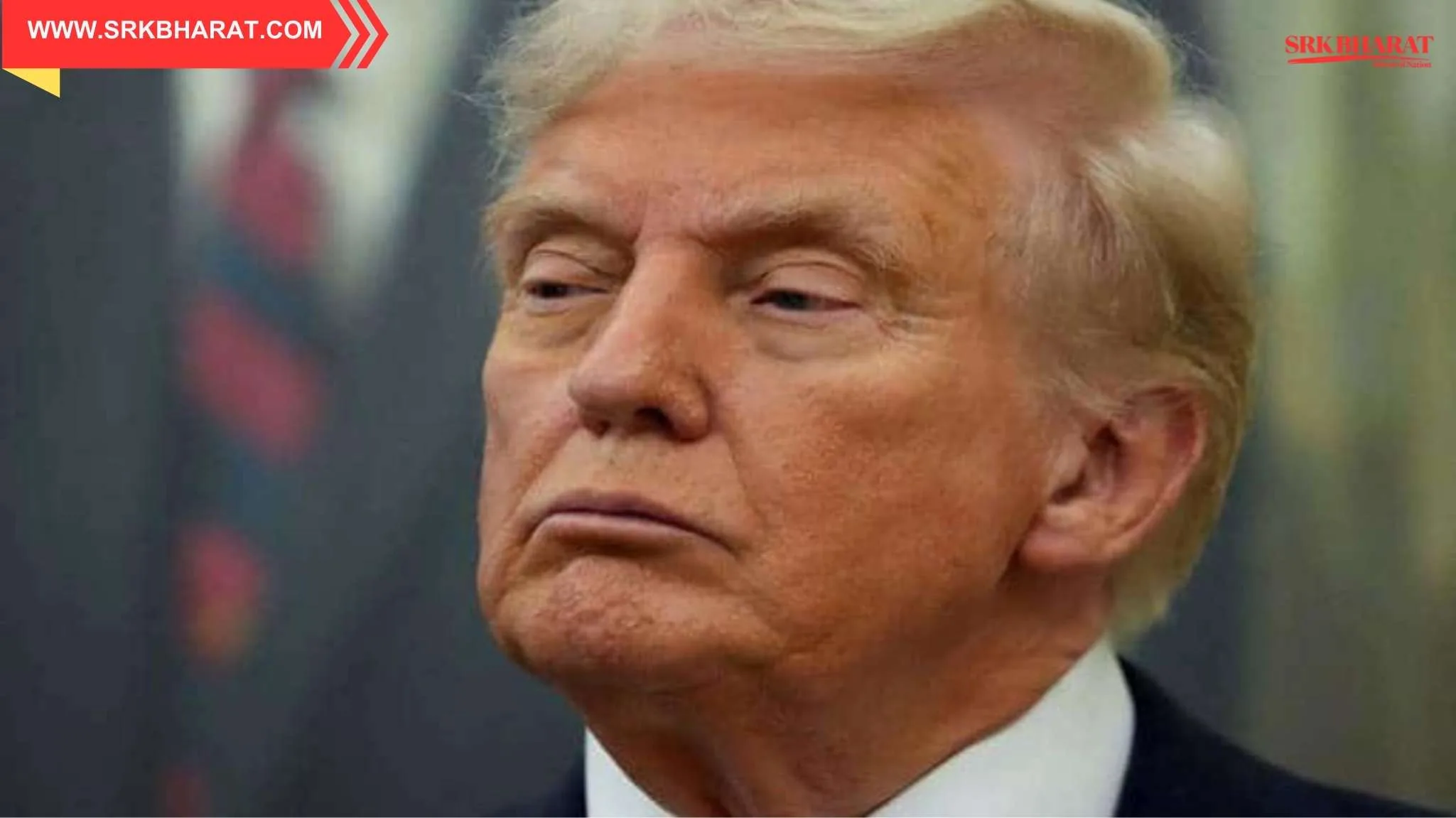
In a fiery statement that has reignited debates over trade policy and constitutional authority, President Donald Trump warned that the United States could lose trillions of dollars if the Supreme Court moves to restrict presidential powers on tariffs. Trump’s remarks, delivered during a rally and later amplified in media interviews, underscore his belief that tariff authority is central to America’s economic strength and global bargaining power. His blunt declaration — “We’re screwed” — has sparked intense discussions among economists, legal experts, and political analysts about the future of U.S. trade policy.
Background of the Tariff Authority Debate
- The U.S. Constitution grants Congress the power to regulate commerce, including tariffs.
- Over the decades, Congress has delegated significant tariff authority to the executive branch, allowing presidents to impose duties in the name of national security or economic stability.
- Trump, during his presidency, used this authority extensively, imposing tariffs on China, the European Union, and other trading partners.
- Critics argue that unchecked presidential tariff powers undermine global trade stability and bypass congressional oversight.
- The Supreme Court is now considering cases that could redefine the scope of executive authority on tariffs.
Key Highlights of Trump’s Warning
| Indicator | Details |
|---|---|
| Speaker | President Donald Trump |
| Issue | Supreme Court review of tariff authority |
| Trump’s Claim | Trillions of dollars could be lost |
| Quote | “We’re screwed” |
| Broader Impact | Sparks debate on trade, law, and economy |
Tariff Authority Debate
| Factor | Trump’s Position | Critics’ Position | Broader Implication |
|---|---|---|---|
| Economic Impact | Tariffs protect U.S. industries, generate revenue | Tariffs raise costs, disrupt trade | Balance between protectionism and free trade |
| Constitutional Authority | Executive needs flexibility | Congress should retain control | Separation of powers debate |
| Global Relations | Tariffs strengthen bargaining power | Tariffs strain alliances | U.S. credibility at stake |
| Supreme Court Role | Should uphold executive authority | Should limit unchecked powers | Judicial precedent for future |
| Public Sentiment | Support among Trump’s base | Opposition from free-trade advocates | Polarized national debate |
Why This Story Matters
- Economic Stakes: Tariffs affect industries, jobs, and consumer prices.
- Legal Precedent: Supreme Court rulings could reshape executive power.
- Global Trade: U.S. tariff policy influences global supply chains.
- Political Impact: Trump’s warning energizes his supporters and alarms critics.
- Future Outlook: The decision could redefine U.S. trade policy for decades.
Trump’s Use of Tariffs
- Trump imposed tariffs on Chinese goods worth hundreds of billions of dollars, citing unfair trade practices.
- He used tariffs as leverage in negotiations with Mexico, Canada, and the EU.
- Supporters argue tariffs revived U.S. manufacturing and reduced dependence on foreign imports.
- Critics highlight higher consumer costs and retaliatory tariffs that hurt American farmers.
Supreme Court’s Role
- The Court is reviewing cases challenging the extent of presidential tariff authority.
- Legal experts argue that unchecked executive power undermines congressional oversight.
- A ruling to curb presidential authority could shift tariff decisions back to Congress.
- Such a move would fundamentally alter the balance of power in trade policy.
Economic Implications
- Trump’s warning of “trillions lost” reflects concerns about reduced revenue from tariffs.
- Industries reliant on protectionist measures could face increased competition.
- Consumers may benefit from lower prices if tariffs are reduced.
- Global markets are watching closely, as U.S. tariff policy affects supply chains worldwide.
Expert Opinions
- Economists: Divided, with some supporting Trump’s view on protectionism and others warning of trade disruptions.
- Legal Scholars: Stress the importance of constitutional checks and balances.
- Business Leaders: Concerned about uncertainty in trade policy.
- Political Analysts: Note that Trump’s rhetoric resonates with his base but polarizes national debate.
Challenges Ahead
- Judicial Uncertainty: Supreme Court rulings could reshape trade authority.
- Global Competition: U.S. industries may struggle without tariff protections.
- Political Polarization: Debate over tariffs intensifies partisan divides.
- Economic Volatility: Markets may react sharply to changes in tariff policy.
- Diplomatic Strain: Allies and rivals alike monitor U.S. trade decisions.
Opportunities for the U.S.
- Reevaluate Trade Policy: Balance protectionism with free trade.
- Strengthen Domestic Industries: Invest in innovation and competitiveness.
- Enhance Global Relations: Use diplomacy alongside tariffs.
- Legal Clarity: Supreme Court rulings could provide long-term stability.
- Public Engagement: Educate citizens on the impact of tariffs.
Broader Context of Global Trade
- Tariffs are a central tool in trade wars and negotiations.
- The U.S.-China trade war highlighted the global impact of American tariff policy.
- Free-trade advocates argue that tariffs disrupt supply chains and raise costs.
- Protectionists believe tariffs safeguard jobs and industries.
- The Supreme Court’s decision could influence global trade norms.
Media Coverage
- Headlines emphasized Trump’s warning of “trillions lost” and his blunt remark, “We’re screwed.”
- Analysts debated the accuracy of Trump’s economic claims.
- Coverage highlighted the Supreme Court’s pivotal role in shaping trade policy.
- The story continues to dominate discussions in economic, legal, and political circles.
Conclusion
The warning by President Donald Trump that trillions of dollars could be lost if the Supreme Court curbs tariff authority underscores the high stakes of the ongoing debate. While Trump insists tariffs are essential for America’s economic strength, critics argue unchecked executive power undermines constitutional principles and global trade stability. The Supreme Court’s ruling will not only determine the future of U.S. tariff policy but also set a precedent for the balance of power between Congress and the presidency.
Disclaimer
This article is intended for informational purposes only and does not constitute financial or legal advice. Trade policies, judicial decisions, and economic impacts are subject to change based on evolving circumstances. Readers are encouraged to follow official updates for accurate information. The author and publisher are not responsible for any decisions made based on this article.